
“Alcohol-free shampoo” sounds like the safer, gentler choice-especially if your hair feels dry, your scalp gets irritated, or you’re trying to calm frizz. But here’s the catch: the word alcohol on an ingredient list doesn’t automatically mean “drying,” and chasing an alcohol-free label can sometimes push you into formulas that actually make hair feel rougher over time.
After 20 years behind the chair, I’ve found that the best results rarely come from avoiding one scary-sounding word. They come from understanding which type of alcohol you’re dealing with, how a shampoo controls friction, and whether the formula is built around a healthy pH.
Two Types of Alcohols-And Only One Is Usually the “Problem”
Most articles lump all alcohols together. In real formulation chemistry, that’s like lumping “acids” together-technically convenient, practically useless. In haircare, alcohols usually fall into two very different families, and they behave nothing alike on hair or scalp.
NOT SURE WHICH PRODUCT IS RIGHT FOR YOU?
TAKE THE QUIZTakes 30 seconds · 134,000+ customers matched
1) Volatile alcohols (fast-evaporating solvents)
These are the alcohols people are typically trying to avoid. They’re lightweight solvents that evaporate quickly and are often used to help ingredients dissolve evenly, improve spread, or influence how a product dries down. In a rinse-off shampoo, they’re not always a dealbreaker, but they can be a concern if your scalp barrier is already cranky or your hair is severely compromised.
When volatile alcohols are an issue, it’s usually because they can encourage more surface water loss-especially when paired with a cleanser that’s too aggressive or a formula that isn’t well balanced for your hair’s condition.
2) Fatty alcohols (waxy, conditioning “structure” ingredients)
Here’s the part that rarely gets explained clearly: fatty alcohols are not drying alcohols. They’re waxy, long-chain ingredients that help build texture, stability, and slip. In plain terms, they help hair feel smoother and more manageable because they reduce friction between strands.
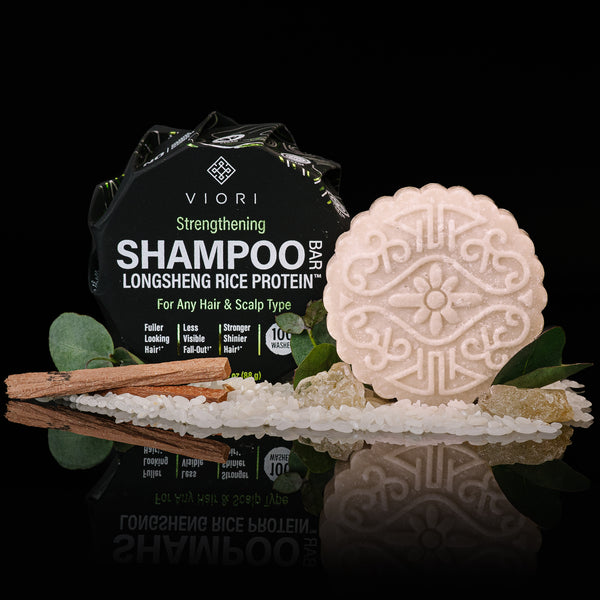
Viori is very clear on this point: the alcohols found in their bars are natural, fatty alcohols from vegetable sources, and they’re included because they support moisture and conditioning-nothing like the drying effect people associate with solvent-type alcohols.
The Overlooked Issue: Friction (Not “Moisture”) Is Often What You’re Feeling
When clients say their hair feels “dry,” they’re not always describing a lack of hydration. A lot of the time, they’re describing high friction: the hair tangles easily, feels squeaky in the shower, snags during brushing, and frizzes as soon as it dries.
That’s why I look at shampoo through a more technical lens. A cleanser isn’t just there to remove oil-it also sets the stage for how the cuticle behaves and how easily strands slide past one another.
- Higher friction can mean more tangles and more breakage during detangling.
- Rougher cuticles scatter light, so hair looks less shiny.
- Frizz often increases when the cuticle is lifted or the strand surface is inconsistent.
This is where the “alcohol-free” label can backfire. If someone avoids fatty alcohols-thinking they’re avoiding dryness-they may be avoiding ingredients that would have helped lower friction and improve softness.
pH: The Real Boss of Smoothness and Long-Term Hair Feel
If I had to pick one technical factor that predicts whether hair will behave beautifully over time, it wouldn’t be whether a product is alcohol-free. It would be pH.
Hair tends to perform best when products stay in a mildly acidic range. When a shampoo runs too alkaline, it can lift the cuticle, which makes hair feel rough, tangle more easily, and look frizzier-even if you’re using “gentle” products otherwise.
Viori emphasizes that their bars are pH balanced, and that’s a big deal because pH affects cuticle smoothness, softness, and manageability in a way most ingredient debates never touch.
One More Variable with Shampoo Bars: How You Apply Them Matters
Here’s a practical, rarely discussed detail that can change your results immediately: application friction. Rubbing a shampoo bar directly on your hair can create more mechanical stress-especially on porous hair, color-treated hair, or hair that tangles easily.
Viori specifically recommends a technique I also prefer in the salon for minimizing friction: lather in your hands first, then apply with your fingertips, rather than scrubbing the bar directly on the head. That small tweak can help preserve smoothness and, for many people, protect the “feel” of their color-treated lengths.
WHAT CUSTOMERS ARE SAYING
Real reviews for Rice Water Shampoo Bar – All Hair Types | VIORI
So Is “Alcohol-Free Shampoo” Worth It?
It can be-if you’re targeting the right thing. If your goal is to avoid harsh, evaporative solvents because your scalp is reactive or your hair is extremely stressed, that’s a reasonable preference. But if your goal is softness, shine, and less frizz, you’ll get better results by focusing on what actually drives those outcomes: pH balance, mild cleansing, and low-friction conditioning design.
A Simple Way to Choose the Right Viori Bar (Without Overthinking “Alcohol”)
Instead of shopping by buzzwords, start with your scalp’s oil rhythm. Viori’s guidance is straightforward and aligns well with what I see in real life:
- Oily scalp: feels oily again in about 1-2 days
- Normal scalp: feels oily again around day 3
- Dry scalp: can go 4+ days before feeling oily
From there, Viori generally recommends:
- Citrus Yao for normal-to-oily scalps (Viori notes it contains citric acid, which helps break down oil)
- Terrace Garden for normal-to-dry scalps
- Hidden Waterfall as a versatile option for many hair types
- Native Essence as the unscented option, especially helpful for fragrance sensitivity
The Bottom Line
If “alcohol-free shampoo” is on your wish list, don’t stop at the label. Ask a better question: Is this formula built to keep my cuticle smooth, reduce friction, and stay pH friendly for my scalp?
When you prioritize those fundamentals-and apply your shampoo in a low-friction way-you’ll usually get what you were hoping alcohol-free would guarantee: hair that feels cleaner, softer, calmer, and easier to manage.


