
That icy, minty “cool” feeling after a wash can be addictive. It’s the kind of sensation that makes you think, OK, my scalp is finally clean. But in the salon, I’ve watched a lot of people fall into the same cycle: they chase the tingle, wash more aggressively, and somehow end up with oilier roots, more itch, or stubborn flakes.
The part that rarely gets explained is this: “cooling” is usually a nerve signal, not a measurement of how clean your scalp actually is. If you want that fresh, breathable feeling to last (without your scalp fighting back), it helps to understand what deep cleansing really means, what cooling ingredients actually do, and how to build a routine that gets results without collateral damage.
What “Deep Cleansing” Really Has to Remove (Hint: It’s Not Just Oil)
Most people use the phrase “deep cleanse” to mean “strip everything off.” But buildup is usually layered, and each layer clings in a different way. If you only target one layer harshly, you can end up irritating the scalp and roughing up the hair cuticle.
NOT SURE WHICH PRODUCT IS RIGHT FOR YOU?
TAKE THE QUIZTakes 30 seconds · 134,000+ customers matched
In real life, scalp buildup is often a combination of:
- Sebum film (natural oils, plus oxidized oils that get stickier over time)
- Product film (styling residue, powders, waxy ingredients, pigments, and polymers)
- Adhered scalp scale (flakes that cling more when the barrier is stressed or inflamed)
That’s why you can “wash and wash” and still feel like you’re not getting anywhere. If the scalp is irritated, it can produce more oil or shed more visibly-so you keep cleansing harder, which keeps the cycle alive.
The Cooling Sensation: Why It Feels Amazing (and Why It Can Mislead You)
The cooling feeling many people love is typically created by ingredients that trigger cold-sensing pathways in the skin. In other words, your scalp is getting a message that says “cold,” even if nothing about the actual cleansing power changed.
Here’s the problem: a strong cooling sensation can sometimes mask early irritation. So instead of noticing that you’re overdoing it, you may:
- Scrub longer because it “feels” like it’s working
- Wash more often because oil returns quickly
- Ignore sensitivity because the tingle gets interpreted as “fresh”
If you’ve ever thought, “My scalp needs something stronger,” it may not be craving stronger cleansing at all. It may be asking for less friction, better technique, and a formula that respects scalp balance.
pH: The Quiet Deal-Breaker Behind Many “Deep Clean” Disasters
One of the fastest ways to turn a deep-clean routine into frizz, tangles, and irritation is to use products that throw pH out of range. Hair and scalp generally do best when hair products sit in a hair-friendly pH range (about 3.5-6.5). When cleansing gets too alkaline, the hair cuticle can lift, friction increases, and the scalp barrier can become more reactive.
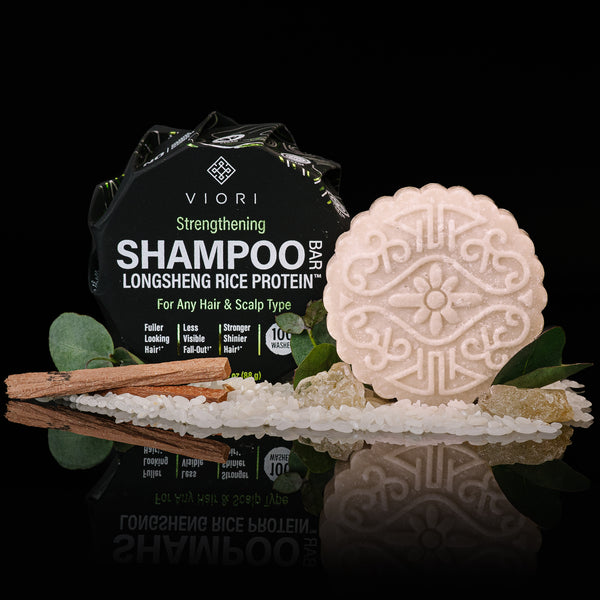
This is one reason I like that Viori bars are pH balanced. You can get a thorough cleanse without setting your scalp and hair up for that “stripped” feeling that often leads to rebound oil and dryness later.
Getting the “Fresh Scalp” Feeling Without Relying on the Tingle
When clients tell me their scalp feels “hot,” “stuffy,” or “itchy,” they often assume they need more cooling. But what they usually need is less irritation. A calmer scalp often feels cooler on its own.
Instead of depending on a strong sensory cooling effect, try focusing on the things that genuinely make the scalp feel clean and comfortable:
- Warm (not hot) water to avoid triggering irritation
- Shorter, more targeted cleansing time instead of long scrubbing sessions
- Lower friction application (especially important with bar formats)
- Proper conditioning to restore slip and reduce hair-to-hair friction
- A cooler final rinse for comfort and smoothness
Why Viori Works for a “Deep Clean” Goal Without the Backfire
A lot of people assume “gentle” means “won’t clean well.” Not true-if the cleanser system is well designed. Viori uses Sodium Cocoyl Isethionate (SCI), a mild but effective cleansing agent known for creating satisfying foam without the harsh feel many people associate with deep cleansing.
Viori also uses a carefully balanced amount of fermented Longsheng rice water. This matters because rice-water routines are trendy, but high concentrations used too frequently can disrupt hair and scalp balance for some people. Viori’s approach is designed to be effective while staying scalp-friendly.
A Salon-Style Deep Clean Routine Using Viori (My Go-To Method)
If you want a deep cleanse that doesn’t leave your scalp angry and your lengths dry, the technique matters as much as the product. This is the routine I’d use for someone who wants that “fresh scalp” feeling to last.
WHAT CUSTOMERS ARE SAYING
Real reviews for Rice Water Shampoo Bar – All Hair Types | VIORI
- Rinse thoroughly for 60-90 seconds. This loosens debris and spreads oils so you don’t need to over-cleanse.
- Create lather in your hands first. Then apply to the scalp with your fingertips. This reduces friction and helps distribute product evenly.
- First wash (20-30 seconds): a quick lift to remove surface oil and grime. Rinse well.
- Second wash (45-60 seconds): the real cleanse. Focus on the hairline, crown, and nape-these are common buildup zones.
- Condition after cleansing. Apply from mid-lengths to ends, let it sit briefly, and rinse thoroughly.
- Finish with a cooler rinse. Not freezing-just cooler than your wash water for comfort and smoothness.
If you color your hair, that “hands-first lather” step is especially important. With bar formats, direct rubbing can add friction, which can increase cuticle disturbance. Using the lather helps keep things gentler on the hair fiber.
Choosing the Right Viori Bar for a Deep Clean Feeling
For most people, the best choice comes down to scalp type (not whether your hair is straight or curly). Here’s a simple way to approach it:
- Oily scalp / gets oily in 1-2 days: Viori Citrus Yao is typically the best match for normal-to-oily scalps, and many people like it for oil control.
- Normal scalp / gets oily around day 3: you can do well with any option-choose based on how your ends feel.
- Dry or sensitive scalp / feels tight or irritated: consider more moisturizing choices like Terrace Garden or Hidden Waterfall, or go fragrance-free with Native Essence.
The Long Game: The Best Deep Clean Is the One That Makes You Need It Less
A truly effective deep cleansing routine shouldn’t leave you feeling like you need to “reset” again tomorrow. Over time, a balanced approach tends to lead to a scalp that feels calmer, roots that stay fresher longer, and hair that’s softer with less frizz.
If you’re switching routines, give it a fair window. Many people need a little time to see their scalp normalize-often several weeks, and sometimes closer to 2-3 months, depending on what you’re correcting.
If you want help tailoring this, start with two questions: how quickly does your scalp get oily (1-2 days, around day 3, or 4+ days), and are your ends dry or color-treated? From there, it’s much easier to choose the right Viori bar pairing and dial in a routine that gives you that “clean and cool” feeling for the right reasons.


