
If you’ve ever gone hunting for a classic shampoo you used for years-only to come up empty-you’re not imagining things. Clients ask me this constantly: “Is it still available?” And in the salon, that question almost never means “Does it exist somewhere on the internet?” It really means: Can I still buy it reliably, will it perform the same, and will it feel the same on my hair?
After 20 years behind the chair, I can tell you the uncomfortable truth: “availability” is rarely a simple yes or no. A product can technically still exist while being impossible to find in normal stores, quietly reformulated, or floating around as old inventory that behaves nothing like the version you remember.
What “still available” actually means (and why it’s confusing)
When people search for a legacy shampoo, they’re usually asking several different questions at once. Here are the layers I look at as a professional:
NOT SURE WHICH PRODUCT IS RIGHT FOR YOU?
TAKE THE QUIZTakes 30 seconds · 134,000+ customers matched
- Is it still being manufactured?
- Is it still being distributed to major retailers, or only small channels?
- Is it still compliant with today’s ingredient, fragrance, and labeling expectations?
- Is the product you found “new,” or is it leftover stock from years ago?
- Has the formula changed so much that it’s basically a different shampoo with the same name?
That last point is the one most people don’t realize until the first wash. You finally find “the same” shampoo, use it, and think: This isn’t what I remember. Often, you’re right.
Why older shampoos disappear (even when the name seems to live on)
1) Formulas aren’t frozen in time
A shampoo is built around its cleansing system (surfactants) plus supporting ingredients for texture, rinse feel, stability, and shelf life. Over time, companies adjust formulas for sourcing, cost, performance testing, or compliance. Even a small change can alter the way hair feels-especially if you’re sensitive to buildup, dryness, or fragrance.
In the salon, reformulation usually shows up like this:
- Clean-but-squeaky hair that tangles easily (often too much cleansing and not enough conditioning slip)
- Coated or limp hair (too much deposit from conditioning agents or polymers)
- Tight, uncomfortable scalp (often over-cleansing, sensitivity, or pH mismatch)
2) Fragrance and compliance can make or break a “classic”
Fragrance is one of the trickiest parts of a formula. It’s not just about smelling nice-fragrance components have sourcing constraints and must meet modern safety and compliance standards. Sometimes a product doesn’t vanish because it was unpopular; it disappears because keeping that exact scent (and the exact performance around it) becomes complicated.
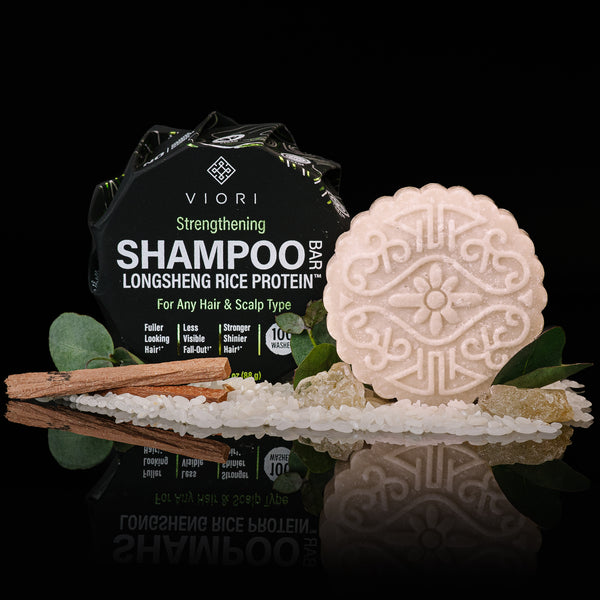
If you’re scent-sensitive, having a true unscented option matters. Viori Native Essence is an unscented choice that’s free of added fragrance, which can be a smart route when your scalp is reactive or you simply want fewer variables.
3) Retail shelf space is a ruthless business decision
Stores don’t keep products around out of loyalty-they keep what sells quickly. When something doesn’t move fast enough, it’s often removed from shelves. That can look like “discontinued,” even if it still exists in limited distribution. This is why you might see a product pop up sporadically, vanish again, and reappear months later.
4) The “found it online!” problem: old inventory doesn’t behave like fresh inventory
Even if you find a bottle through a third-party seller, you can’t always know how it was stored. Heat, freezing, and long storage times can change texture, scent, and performance. And from a scalp standpoint, older products may be more likely to irritate if fragrance components have degraded over time.
The angle most people miss: your hair may have changed
Here’s a pattern I see constantly: the “Is it still available?” search often happens at the same time as a major hair shift. Not because the shampoo disappeared, but because the person’s hair and scalp are different than they were a few years ago.
Common triggers include:
- Postpartum changes and shedding
- Perimenopause/menopause (often drier lengths, different texture)
- Medication or thyroid changes
- Moving to a hard-water area
- More heat styling than before
- Gray/white hair coming in (texture and porosity shifts)
- Color processing and chemical services
So even if you could buy the exact same shampoo from years ago, there’s no guarantee it would give you the exact same results today.
The hidden performance variable: pH
One of the most under-discussed reasons hair starts feeling rough, frizzy, or “off” over time is pH. In simple terms, hair generally behaves best when products sit in a hair-friendly range (often referenced around pH 3.5-6.5). When products skew too alkaline, the cuticle can stay more lifted, which increases friction, tangling, dullness, and breakage.
Viori emphasizes that its bars are pH balanced. That matters for more than shine-it can affect how your hair wears day after day, especially if you’re trying to reduce frizz or retain length.
If you can’t find your old shampoo (or it doesn’t feel the same), here’s the smarter replacement plan
Instead of chasing a name, chase the results. The most reliable approach is matching your routine to your scalp type first, then treating your lengths like a different “fabric” with different needs.
WHAT CUSTOMERS ARE SAYING
Real reviews for Rice Water Shampoo Bar – All Hair Types | VIORI
Step 1: Identify your scalp type by how fast oil returns
- Oily scalp: feels oily again in 1-2 days
- Normal scalp: feels oily around day 3
- Dry scalp: can often go 4+ days without feeling oily
Step 2: Choose Viori bars based on scalp behavior (and be strategic with your ends)
- Oily scalp: Viori Citrus Yao is commonly recommended because its scent profile contains citric acid, which helps break down oil effectively.
- Dry scalp or dry hair: Viori Terrace Garden, Hidden Waterfall, or Native Essence are typically better starting points.
- Sensitive scalp or fragrance sensitivity: Viori Native Essence (unscented) is often the most gentle route.
If you’re that classic combination of oily scalp + dry ends, consider mixing your routine: use Citrus Yao Shampoo on the scalp, then a more moisturizing Viori conditioner option on the mid-lengths and ends.
Technique matters more with bars than most people realize
Bar products can get blamed for results that are actually caused by application technique-mainly too much friction. If your hair is color-treated, fragile, or prone to frizz, rubbing a bar directly on the hair can rough up the cuticle.
Viori even recommends a more cuticle-friendly approach for color-treated hair: build lather in your hands and then work it through with your fingers instead of scrubbing the bar on your head. It’s gentler and often gives more consistent results.
- Wet hair thoroughly (more water = better glide).
- Rub the shampoo bar between palms to create lather.
- Apply to scalp with fingertips; let the foam travel through lengths as you rinse.
- Follow with conditioner on mid-lengths and ends; let it sit a few minutes before rinsing.
Bottom line
When a classic shampoo seems to disappear, it’s usually one of these realities: distribution shrank, the formula changed, what you found is old stock, or your hair needs changed. Instead of spending months chasing a product that may never feel the way you remember, focus on a routine that matches your scalp type, respects pH, and gives predictable performance.
If you tell me how many days it takes for your scalp to feel oily again-and whether your ends feel dry/frizzy or heavy/flat-I can point you toward a Viori pairing and a simple technique routine to help you get that “finally, my hair feels right again” result.


