
“La shampoo” sounds simple-until you’ve had the experience of hair that’s technically clean but feels rough, tangly, or oddly greasy again the next day. After 20 years behind the chair, I can tell you this: shampoo isn’t just about washing. It’s a carefully timed chemistry-and-fiber-management process that has to remove the right things, leave the right things behind, and keep both your scalp and your hair shaft behaving.
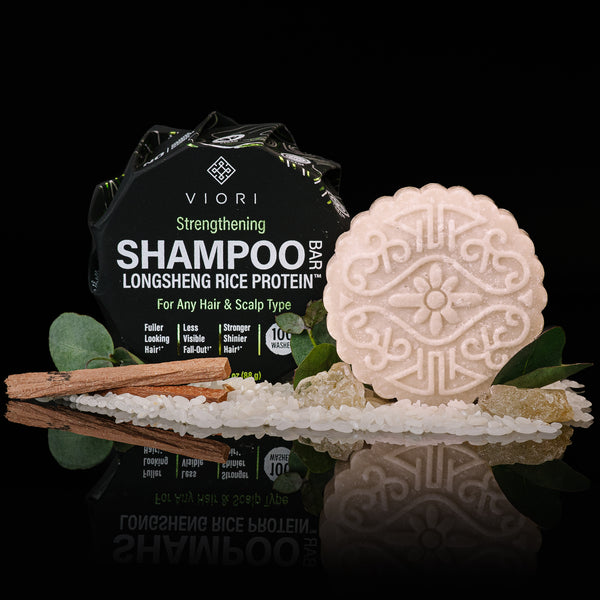
And when you switch from a liquid shampoo to a shampoo bar, the rules shift. Not because bars are “better” by default-but because how the product is delivered to the hair changes dramatically. Viori is a great example of a modern bar approach: it’s built to be pH balanced, uses a mild cleanser system, and supports both hair feel and scalp comfort when used with the right technique.
What Shampoo Is Actually Doing (It’s More Than “Cleaning”)
In the simplest terms, shampoo has three jobs that have to happen in just a few minutes:
NOT SURE WHICH PRODUCT IS RIGHT FOR YOU?
TAKE THE QUIZTakes 30 seconds · 134,000+ customers matched
- Loosen and lift oily soil (sebum, sweat byproducts, pollution that sticks to oil)
- Keep that soil suspended so it rinses away instead of redepositing
- Leave the hair surface low-friction so it feels soft, detangles easily, and reflects light (shine)
That last point is where most people get misled. When someone says a shampoo “dried out” their hair, they’re often describing surface roughness-not necessarily a lack of water inside the hair. Hair can be hydrated and still feel terrible if the cuticle is lifted and the strands are grabbing each other.
The Stuff Shampoo Has to Remove (It’s Not Just “Dirt”)
Your scalp and hair collect different kinds of buildup, and they don’t all behave the same way. That’s why one shampoo can feel perfect for one person and completely wrong for another.
- Sebum (oil soil): hydrophobic lipids that cling to the cuticle
- Particulate soil: dust and pollution that get trapped in oil films
- Styling residue: film-formers that can stack and dull the hair
- Mineral interactions: hard-water ions that can make rinsing feel “draggy”
A truly good shampoo doesn’t just remove soil-it controls how that soil moves off the hair and into the rinse water. That’s the difference between hair that feels clean-and-smooth and hair that feels clean-but-grabby.
The Cleanser System: Why “Mild” Doesn’t Mean “Weak”
Every shampoo lives or dies by its cleanser system (the surfactants). Viori uses Sodium Cocoyl Isethionate (SCI), a cleanser commonly used in modern solid bars because it’s capable of effective cleansing while still feeling gentle for many users.
SCI is also part of why a well-made bar can feel nothing like an old-fashioned “soap bar.” Not all bars are built the same. The bar format can be sophisticated-or it can be harsh-depending on the chemistry and the final pH.
pH Isn’t a Buzzword-It’s Cuticle Control
Your hair shaft is covered in cuticle “shingles.” The flatter those shingles lie, the smoother your hair feels and the more light it reflects. One of the biggest levers that influences cuticle behavior is pH.
Viori notes that hair products ideally fall between pH 3.5-6.5. When products run too alkaline, hair can swell, the cuticle can lift, and you’re more likely to feel that squeaky, rough, overly “clean” finish that tangles easily.
This is also why shampoo choice and technique matter so much for color-treated hair. A lifted cuticle doesn’t just tangle-it can also let color molecules escape faster, especially if the color isn’t permanent.
The Bar-Shampoo Variable Most People Miss: Friction
Liquid shampoo spreads quickly and evenly. A bar introduces a new factor: how you apply it.
There are two ways a bar gets onto your hair
- Lather transfer (best option): build lather in your hands, then apply the foam
- Friction transfer (riskier): rubbing the bar directly on hair, creating more mechanical stress and uneven distribution
Viori recommends a smart approach for preserving hair quality-especially with color-treated hair-by creating lather in your palms and applying with your hands rather than dragging the bar directly over your head. That advice is more technical than it sounds: it reduces localized abrasion and helps avoid those “too-clean in one spot” results that can make hair feel snarly.
Why Viori Can Feel Softer: Conditioning Support Built Into the System
One ingredient Viori includes in its bars is Behentrimonium Methosulfate (BTMS), a conditioning agent used widely in haircare. It’s a cationic (positively charged) ingredient, and that matters because hair-especially damaged hair-tends to present more negative charge in rougher areas.
In plain language: ingredients like this can help improve slip, reduce wet combing force, and make the hair feel more manageable. A lot of what people love about a shampoo isn’t just “cleanliness”-it’s how the hair behaves afterward.
Rice Water: The Benefit People Love (and the Risk They Don’t Talk About)
Fermented rice water has a long-standing reputation in hair rituals, and Viori uses fermented Longsheng rice water along with other supportive ingredients. What I appreciate is the nuance Viori shares: they use a lower concentration of rice water because using rice water at a high concentration too often can disrupt hair and scalp pH balance.
That’s a detail that gets glossed over in many DIY trends. Home fermentation can vary, and overdoing protein-leaning treatments can leave some hair types feeling stiff. A controlled, pH-balanced formulation is a much more predictable way to aim for the benefits.
When “Scent” Is More Than Preference
Most of the time, fragrance is just fragrance. Viori’s FAQ points out something more interesting: while the bars share a base formula, the scent profiles can be linked with how the bars tend to perform for different scalp types.
- Citrus Yao is commonly recommended for normal-to-oily scalps and includes citric acid, which Viori notes can help break down oil.
- Terrace Garden, Hidden Waterfall, and Native Essence are often recommended for normal-to-dry scalps.
- Native Essence is unscented, making it a strong option for anyone sensitive to fragrance.
So yes, your favorite scent matters-but your scalp type matters more.
WHAT CUSTOMERS ARE SAYING
Real reviews for Rice Water Shampoo Bar – All Hair Types | VIORI
Dandruff Isn’t One Problem, So Shampoo Can’t Be One-Size-Fits-All
Flaking can come from very different causes. One person has an oily scalp with visible flakes; another has a tight, dry scalp that sheds. Those two situations shouldn’t be treated the same way.
Viori’s recommendations reflect that distinction:
- For oily scalp dandruff, Viori tends to recommend Citrus Yao.
- For dry scalp dandruff, Viori tends to recommend Hidden Waterfall, Terrace Garden, or Native Essence.
If flakes persist, or you have significant itching, redness, or irritation, it’s always worth checking in with a medical professional. Haircare can support the scalp, but it’s not a diagnosis.
How to Use a Viori Shampoo Bar for the Best Results
If you want that “just left the salon” finish from a bar, the goal is simple: cleanse the scalp effectively while keeping friction low on the lengths.
- Soak your hair thoroughly for 60-90 seconds before you start. Fully wet hair reduces friction and helps lather spread evenly.
- Lather in your hands, then apply the lather to your scalp. Focus cleansing where oil actually lives: roots and scalp.
- Let runoff cleanse the mid-lengths and ends. Scrubbing lengths is a common cause of tangling and wear.
- Condition from mid-lengths to ends. Viori notes conditioner is positively charged and helps protect strands after washing.
- Let conditioner sit 2-5 minutes, then rinse well.
- Store the bar dry between washes so it lasts longer and stays in better condition.
The Bottom Line on “La Shampoo”
The best way to think about shampoo is this: it’s not just cleansing-it’s surface management. When the cleanser system, pH balance, and conditioning support work together, you get hair that’s clean, shiny, and easy to handle-without that rough, stripped feeling.
Viori’s approach is especially interesting in bar form because it’s designed to be pH balanced, uses a modern cleanser system (SCI), and supports slip and manageability-while still benefiting from the practical advantages of a solid bar format. Pair that with the right application method, and you’ll get the kind of results that make shampoo feel simple again.


