
“Locally made” shampoo bars get a lot of love for good reasons-less plastic, fewer shipping miles, and a sense that you know where your products come from. But when I’m looking at bars through a stylist’s lens (and not just a sustainability lens), the real story is more interesting.
What matters most isn’t the romance of “local.” It’s what local manufacturing can change behind the scenes: the bar’s structure, how it holds up to humidity and temperature swings, how quickly it lathers, how much slip it gives, and whether it leaves your hair feeling silky-or strangely draggy.
Below is the deep dive people rarely talk about: locally made shampoo bars are often a process-control story more than an ingredient story. I’ll use Viori as a reference point where it helps explain the chemistry and mechanics, because they share unusually detailed information about how their bars are built and how to use them.
“Local” Doesn’t Just Mean Shorter Shipping-It Can Mean a More Stable Bar
Even though shampoo bars are solid, they aren’t inert. Over time, they can keep changing in small but meaningful ways. Think of it like chocolate: it’s “solid,” but heat, cold, and humidity can still affect texture and performance.
NOT SURE WHICH PRODUCT IS RIGHT FOR YOU?
TAKE THE QUIZTakes 30 seconds · 134,000+ customers matched
Shampoo bars can continue to shift through:
- Moisture equilibration (absorbing or losing water depending on humidity)
- Crystalline settling (structuring ingredients slowly forming more stable crystal patterns)
- Surface hardening (a less-soluble outer layer that can slow lather at first)
- Fragrance diffusion (scent components migrating or evaporating over time)
Here’s where “local” can quietly matter: fewer days bouncing through extreme environments (hot trucks, cold warehouses, steamy loading docks) can mean fewer opportunities for the bar’s physical structure to get pushed around before it lands in your shower.
In plain terms, a bar that arrives in a more stable state often feels more predictable in the first week: easier to lather, less weird tugging, and more consistent “dose” per wash.
The Overlooked Variable That Controls Mushiness: Water Activity
A lot of people assume bars don’t need much thought because they’re “dry.” The more technical truth is that performance hinges on water activity-how much free water is available on and within the bar.
After you use a bar, the surface can temporarily become a high-moisture environment, especially if:
- It sits in pooled water
- Your shower stays steamy for hours
- It’s stored on a flat dish without drainage
That’s when bars turn soft, smear, dissolve too quickly, or feel slimy. The fix is simple but non-negotiable: airflow and drainage. Viori’s bamboo holders are designed specifically to help bars dry between uses, and that one habit can be the difference between a bar that melts away and a bar that lasts.
The Biggest Technical Divide: Soap Bars vs Syndet Bars
If you want to shop smarter-local or not-this is the question that separates “cute concept” from “serious haircare.”
Soap-based bars (saponified oils)
These are true soap. They often run more alkaline, which can raise the cuticle and increase friction-especially on porous hair, curly hair, and color-treated hair. In hard water, they can also react with minerals and contribute to that stubborn coated or waxy feeling people often describe during a switch.
Syndet bars (synthetic detergent bars)
Syndet bars use surfactants (cleansers) that can be formulated to be milder and pH balanced. That pH detail is not trivia. Hair typically behaves best when products stay within a hair-friendly pH range-commonly referenced around 3.5-6.5.
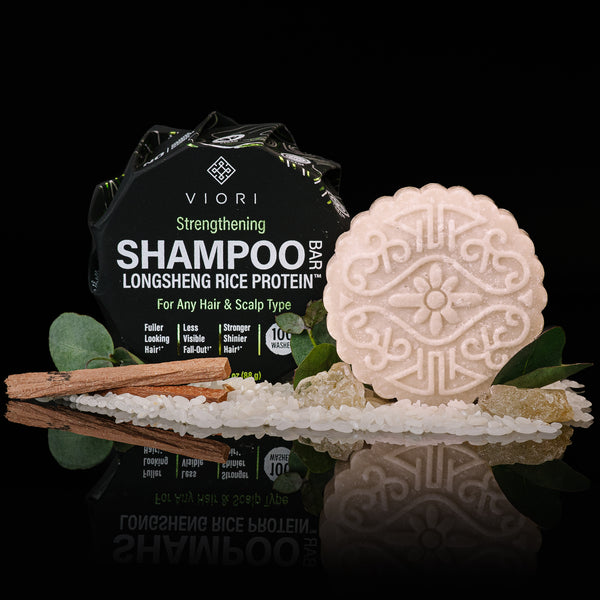
Viori uses Sodium Cocoyl Isethionate (SCI) as the cleanser in their shampoo bars, a well-known mild surfactant that’s often praised for creating creamy, dense lather without the harsh “stripped” feel. Viori also emphasizes that their bars are pH balanced, which is one of the biggest reasons syndet bars can feel more “salon-like” than traditional soap bars.
Why One Shampoo Bar Feels Silky and Another Feels Like Velcro: Conditioning Deposit
Here’s a detail that rarely gets explained well online: modern bar systems can be designed not just to cleanse, but to deposit conditioning agents that reduce friction while you wash.
Viori includes Behentrimonium Methosulfate (BTMS) in their bars. BTMS is a cationic conditioning ingredient, meaning it carries a positive charge. Hair-especially damaged hair-often carries more negative charge, so these conditioning ingredients are naturally attracted to where they’re needed most.
The practical result is better:
- Slip and detangling in the shower
- Combability (less breakage from mechanical stress)
- Cuticle smoothness and overall softness
Viori also clarifies a point that trips people up: BTMS includes the word “methosulfate,” but it’s not the same thing as harsh cleansing sulfates like SLS/SLES. In hair-feel terms, BTMS is about conditioning, not stripping.
The “Transition Period” Isn’t Detox-It’s Surface Chemistry
If you’ve ever heard someone say, “Your hair needs time to detox,” I get the sentiment-but the more accurate explanation is usually chemistry and buildup dynamics.
When people switch routines, they may be dealing with a combination of:
- Residual product film from their previous routine
- Mineral load from hard water (calcium and magnesium deposits)
- A new cleansing profile that lifts different residues at a different pace
This is why Viori notes that results vary-some people notice changes immediately, while others need consistency over weeks. Their general suggestion to allow 2-3 months before giving up is realistic for hair that’s adjusting to a different cleansing and conditioning rhythm.
The Hidden Engineering: Hardness, Glide, and the “Drag Coefficient”
As a stylist, I pay close attention to in-shower friction. That tugging sensation isn’t just annoying-it can translate into mechanical damage over time, especially on fragile ends.
Bar structure matters here. Ingredients like cetyl alcohol and stearic acid are often used to bind and solidify bars while contributing to feel and glide. Viori also addresses another common misconception: the “alcohols” in their formula are fatty alcohols from vegetable sources, which generally help soften and condition-very different from the quick-evaporating alcohols that can feel drying in some products.
This is also where local makers can either shine or struggle. Small shifts in heating, mixing, or cooling can change:
WHAT CUSTOMERS ARE SAYING
Real reviews for Rice Water Shampoo Bar – All Hair Types | VIORI
- How hard the bar feels
- How quickly it lathers
- How much product releases per stroke
So yes, local can be wonderful-but consistency is a manufacturing skill, not a marketing claim.
Color-Treated Hair and Shampoo Bars: Friction Is the Real Risk
Bar application technique matters more for colored hair than most people realize. Rubbing a bar directly on your head increases friction, and friction can lift the cuticle-making color molecules more likely to escape, especially if your color is already more fragile.
Viori recommends a smart method: build lather in your hands and apply with your palms rather than rubbing the bar directly on your hair. It’s a small change, but it can make a noticeable difference in softness, tangling, and color preservation.
Scent Isn’t Just a Vibe-It’s a Scalp-Comfort Decision
Fragrance is one of the most common reasons people think a product “doesn’t work” for them, when the real issue is scalp compatibility. Viori explains that their scented bars use fragrance oils designed under a “clean scent” approach, and they also offer an unscented option, Native Essence, for those who are sensitive to fragrance.
If your scalp is reactive, unscented is often the simplest path to a calmer routine-without giving up performance.
How to Judge a Locally Made Shampoo Bar Like a Pro
If you want the benefits of local craftsmanship and you want your hair to look and feel its best, ask questions that map to real performance.
- Is it soap-based or syndet? If it’s soap, ask about pH and hard-water behavior.
- Is it pH balanced? Hair typically performs better when pH stays in a hair-friendly range.
- What cleanser does it use? (Viori uses SCI, a mild cleanser known for creamy lather.)
- Does it include a conditioning deposit system? Cationic conditioners can reduce friction.
- Do they teach proper storage? Drying between uses is everything for longevity.
- Is there an unscented option? This matters for sensitive scalps.
- Is there guidance for color-treated hair? Technique can prevent unnecessary cuticle stress.
The Takeaway
Locally made shampoo bars can be a beautiful choice-especially when local manufacturing supports consistent handling and fewer climate swings before the bar ever reaches your shower. But the best results still come down to the fundamentals: pH, surfactant system, conditioning deposit, bar structure, storage, and technique.
If you’re trying to dial in your routine with Viori, start by matching the bar to your scalp type and porosity, then focus on two high-impact habits: hand-lather instead of rubbing and store the bar where it can truly dry. Those two changes alone solve the majority of “bars didn’t work for me” complaints I hear in real life.


