
Let's have a real talk about your haircare. For twenty years in this industry, I've seen trends come and go, but one label that always gives me pause is "chemical-free shampoo." It sounds like the holy grail, doesn't it? Pure, simple, and safe. But here's the truth from behind the chair: that term is a scientific fairy tale, and chasing it might lead you straight past the products that are genuinely good for your hair and the planet.
Think about it. Water is a chemical. The air you breathe is a mix of them. That gorgeous aloe vera plant on your windowsill? A beautiful bundle of complex chemistry. The goal isn't to find something that defies science-that's impossible. The real mission is to become savvy about the intention, origin, and impact of what's in your bottle… or in this case, your bar.
NOT SURE WHICH PRODUCT IS RIGHT FOR YOU?
TAKE THE QUIZTakes 30 seconds · 134,000+ customers matched
Why "Chemical-Free" is a Marketing Mirage
That "chemical-free" claim is usually a well-meaning attempt to signal safety. But it creates a false and frankly unhelpful divide. It whispers that "natural" always means safe (tell that to a patch of poison ivy) and that "synthetic" is automatically bad (ignoring that science can create purer, more stable, and more sustainable versions of natural compounds).
It's time to look for smarter signals. We should seek out formulations that are:
- Free from specific harsh or irritating agents-think sulfates like SLS or certain drying alcohols.
- Built with intentionally sourced ingredients that are natural or derived from nature responsibly.
- Transparent about what's inside and why each component earns its place.
This shift in focus is your first step toward truly clean, effective haircare.
The 5 Non-Negotiables of a Truly Clean Shampoo Bar
Let's get technical in a way that actually matters for your hair. Here’s what I scrutinize when evaluating a product's quality and conscience.
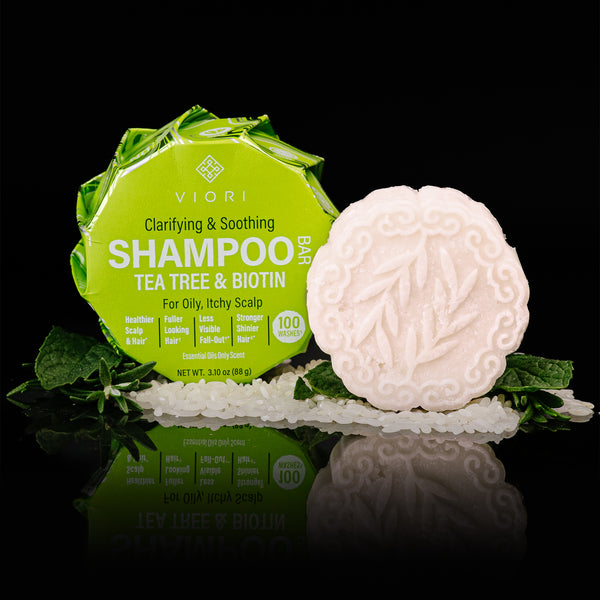
1. The Gentle Clean: It's All About the Base
The cleanser, or surfactant, is the foundation. Its job is to remove grime and oil without stripping your scalp's delicate moisture barrier. Harsh sulfates can scrub that barrier raw, leading to dryness, irritation, and even more oil production as your scalp fights back.
A superior bar uses something like Sodium Cocoyl Isethionate (SCI). Sourced from coconut oil, it creates a luxuriously creamy lather that cleanses deeply without that harsh, "squeaky" feeling. It's proof that effective and gentle aren't mutually exclusive.
2. pH Balance: Your Hair's Invisible Bodyguard
This might be the most overlooked secret in haircare. Your hair and scalp are happiest in a slightly acidic environment. Using a product with a high, alkaline pH forces your hair's protective outer layer (the cuticle) to swell open. The result? Dullness, frizz, breakage, and color that fades faster.
A professional-grade shampoo bar must be pH-balanced, typically between 3.5 and 6.5, to keep the cuticle smooth, sealed, and shining. This isn't a luxury; it's essential for strong, resilient hair.
3. Nutrient-Rich Actives: More Than Just a Cleanse
Any bar can wash. A great bar also treats. This is where time-honored beauty rituals meet modern efficacy. Take fermented rice water. When fermented properly, it becomes richer in compounds like inositol and panthenol, which are proven to strengthen hair and support a healthy scalp. Combined with moisturizers like cocoa butter and soothing shea butter, you get a bar that nourishes as it cleanses.
4. Scent with Substance
In a thoughtful formulation, fragrance does more than just smell good. The best bars use scents from natural essential oils or clean, non-toxic fragrance blends. Importantly, the scent can serve a function. A citrus profile often has natural clarifying properties, while floral or unscented options cater to dry or sensitive scalps without irritation.
WHAT CUSTOMERS ARE SAYING
Real reviews for Tea Tree Shampoo Bar – Oily & Itchy Scalp | VIORI
5. Integrity From Source to Shower
True "clean" beauty looks at the whole picture. It asks:
- Are ingredients sourced ethically, supporting people and ecosystems?
- Is the packaging plastic-free, biodegradable, and kind to the earth?
- Is the brand verifiably cruelty-free?
A brand that cares about this lifecycle is investing in a better world, not just better hair.
Your New Checklist for a Conscious Cleanse
Forget the "chemical-free" hunt. Next time you're shopping, ask these questions instead:
- What's the main cleanser? (Look for gentle ones like SCI).
- Is a pH-balanced formula clearly stated?
- What are the key actives, and what's their proven benefit?
- How is the fragrance made? Is there an unscented option?
- What are the brand's real commitments to sustainability and ethics?
The future of clean beauty is intelligent, respectful, and grounded in reality. It's about making choices that are good for your hair and aligned with your values. By focusing on these real, technical truths, you can turn your daily wash into a truly powerful ritual.


