
Every few years, the hair world rediscovers “mud” treatments and acts like we’ve unearthed a secret from the earth (literally). If you’ve been seeing the word moorkit, it’s usually pointing to moor/peat-based mud materials used in personal care. And while it’s often marketed as a simple “detox,” the real story is far more interesting-and a lot more technical.
Here’s the truth I wish more people would say out loud: moor-based materials don’t behave like a single, predictable ingredient. They behave like a chemically active system. That’s why one person swears it transformed their scalp, and the next feels like it left their hair rough, dull, or weirdly coated.
This post breaks down what moorkit is likely referring to, what it’s doing to your scalp and hair fiber, and how to get the results people are chasing (cleaner scalp, more shine, better strength) with fewer surprises-especially if you’re using a pH-balanced bar routine like Viori.
NOT SURE WHICH PRODUCT IS RIGHT FOR YOU?
TAKE THE QUIZTakes 30 seconds · 134,000+ customers matched
What “Moorkit” Usually Means in Haircare
In most contexts, moorkit is shorthand for moor/peat-derived mud or an extract/filtrate made from it. These materials come from partially decomposed plant matter formed in low-oxygen wetland environments. In products, they typically show up in a few forms, and that form matters because it changes how it behaves on the hair.
- Dispersed solids (true “mud” texture with grit/particles)
- Extracts (soluble components pulled into water or glycerin)
- Filtrates (more refined; fewer particulates; more of the dissolved fraction)
Why you should care: “mud” isn’t one thing. Depending on the source and processing, two moor products can act completely differently on your hair.
The Part Most Articles Miss: Moor Materials Change the Hair’s Ionic Environment
If you want the genuinely useful, rarely discussed angle, it’s this: moor/peat materials often contain complex compounds like humic acids and fulvic acids. These tend to be polyanionic (negatively charged), and that charge behavior is a big deal because hair isn’t chemically “neutral” either.
Hair fiber has charge sites that shift with pH, damage, and product buildup. A humic/fulvic system can act less like a simple cleanser and more like a surface chemistry modifier. In plain English, it can change how your hair behaves because it can:
- Bind to positively charged sites on the hair (especially on damaged areas)
- Chelate metal ions (bind minerals like calcium, copper, and iron that can contribute to dullness and roughness)
- Shift feel and slip by altering friction between strands
This is one reason the “detox” narrative feels so inconsistent: sometimes you’re seeing mineral-binding benefits, and sometimes you’re seeing residue, friction, or mineral contribution-depending on what that particular moor material contains.
Hard Water + Color-Treated Hair: Where Moorkit Can Help (or Get Messy)
In the salon, one of the most common causes of “my hair used to shine and now it doesn’t” is a combination of hard water minerals, product film, and friction damage over time. Moor materials can sometimes improve that by binding certain metal ions-so hair looks brighter because light reflects more cleanly off a smoother surface.
But here’s the catch: moor/peat also has a variable mineral fraction. If a particular source is richer in certain minerals, it may not just remove metals-it could also add trace deposits or leave particulate residue behind. That’s where people start reporting tonal weirdness, a dull cast, or a “draggy” feel in the mid-lengths.
If you color your hair, friction is the silent troublemaker. Any routine that increases friction can lift the cuticle and speed up fade. If you’re using Viori bars (or any bar format), technique matters for color preservation.
- Build lather in your hands instead of rubbing the bar directly on your hair.
- Apply with fingertips and focus cleansing at the scalp.
- Condition mid-length to ends to reduce friction and improve slip.
This approach helps keep the cuticle calmer-especially important if your hair has toner, semi-permanent color, or any history of chemical processing.
Why Some People Say Moor Mud “Gave Them Volume”
When someone says moorkit made their hair feel thicker, I don’t automatically dismiss it. You can get a real, noticeable change in volume without any change in density. The mechanism is usually temporary friction and grip-the hair has a little more strand-to-strand traction, so it stands up and holds shape better.
The downside is that hair that’s fine, low-porosity, or buildup-prone can tip from “nice grip” into “why does my hair feel coated?” fast. The difference is often not your hair-it’s the combination of product solids, rinse quality, and your hair’s surface condition.
Scalp Results: It’s Less About “Killing Dandruff” and More About Environment Control
A lot of internet advice treats flakes like they’re always the same problem. They’re not. Some flakes are linked to oil and buildup; others come from dryness, irritation, or sensitivity. The reason moor materials sometimes feel like they “fixed” a scalp is because they can influence the surface environment by:
- Absorbing and redistributing sebum
- Binding irritant compounds that sit on the skin
- Interacting with mineral film that can make a scalp feel congested
That said, if your scalp runs dry or reactive, moor-based products can feel too astringent if overused. For fragrance-sensitive people, the safest route is often to simplify and go unscented.
pH: The Make-or-Break Variable (And Why “Mud Results” Vary So Much)
From a hair-fiber standpoint, pH is one of the biggest predictors of whether a routine feels amazing or turns into a frizzy, tangly mess. Hair generally behaves best when products stay in a hair-friendly pH range (commonly referenced as about 3.5-6.5).
When products skew too alkaline, the cuticle tends to lift more easily, which can lead to:
WHAT CUSTOMERS ARE SAYING
Real reviews for Rice Water Shampoo Bar – All Hair Types | VIORI
- more tangles and roughness
- more frizz and swelling
- faster color fade
- higher friction and breakage over time
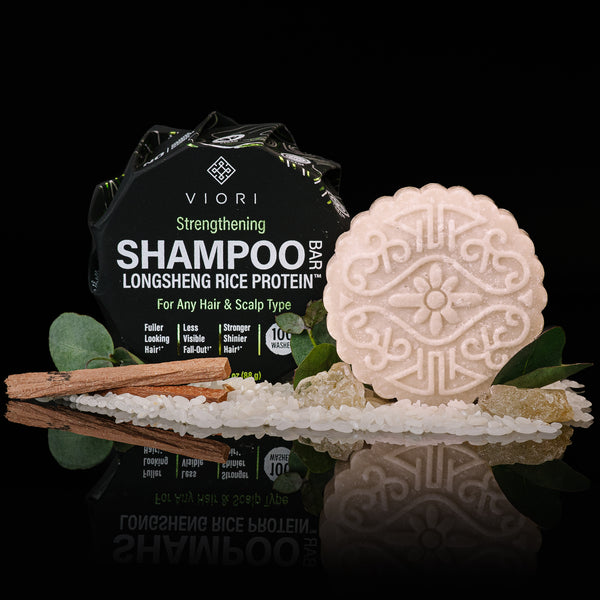
This is why a consistent, pH-balanced routine matters more than most people realize. Viori bars are formulated to be pH balanced and designed for regular use, pairing cleansing with conditioning support so hair doesn’t get stuck in that rough, over-cleansed cycle.
A Practical “Should I Try Moorkit?” Checklist
You’re more likely to enjoy it if you have:
- Oily scalp that feels coated quickly
- Hard-water dullness that makes hair feel flat
- Product buildup from heavy stylers
- Hair that benefits from a little extra grip and volume
Go cautiously (or skip it) if you have:
- Very dry or reactive scalp (itch, sensitivity, flare-ups)
- Recently lightened or fragile hair (already high friction risk)
- Low-porosity hair that shows residue easily
- Color that shifts unpredictably with mineral exposure
How to Get the “Moorkit Effect” With Fewer Surprises
Most people don’t truly want mud-they want the results: a cleaner-feeling scalp that isn’t stripped, calmer comfort, and hair that looks shinier and feels stronger. In my experience, those outcomes come more reliably from a routine built on:
- Gentle cleansing that doesn’t scorch the scalp barrier
- pH balance to keep the cuticle behaving
- Controlled strengthening support (not protein overload)
- Low-friction conditioning so hair stays smooth and resilient
If you’re choosing within Viori, match your bars to your scalp behavior (not just your hair length): a more oil-control-leaning option for oily scalps, and more moisturizing/comfort-leaning options for dry or sensitive scalps. And if you’re fragrance-sensitive, staying unscented is often the most comfortable choice.
Final Thoughts
Moorkit is a fascinating topic because it sits at the intersection of nature and chemistry-yet it’s often explained like a folk remedy. Once you understand it as a complex humic/mineral system that can change the hair’s ionic environment, the mixed results make perfect sense.
If you want, tell me your scalp type (oily/normal/dry), whether your hair is color-treated, and whether your hair tends to build up easily. I can help you tailor a simple routine using Viori that targets the same goals people chase with moor mud-without the guesswork.


