
If you’ve been eyeing “non‑plastic body wash,” you’re probably thinking about the obvious win: less packaging, less clutter, fewer bottles. I love that goal. But here’s the part most people don’t realize until they’re standing in the shower with a soggy bar and skin that feels either strangely coated or a little too tight-switching to non‑plastic body wash isn’t just a packaging swap. It’s a completely different delivery system.
After two decades working professionally with hair and skin, I’ve learned that format changes (liquid to solid, pump to bar) change the way a cleanser behaves: how it stays stable, how it spreads, how it rinses, and how it interacts with your skin barrier. When you go non‑plastic, you’re stepping into a more concentrated, more “mechanical” kind of cleansing-and the details matter.
First, What Does “Non‑Plastic” Really Mean?
People use “non‑plastic body wash” as a catch‑all phrase, but it can mean different things depending on what you’re trying to avoid. One person means “no bottle,” while someone else means “no plastic anywhere in the product experience.”
- No plastic primary packaging (no bottles, pumps, caps)
- No plastic secondary packaging (liners, coatings, shipping components)
- No plastic-based ingredients (certain polymers and film-formers)
- No plastic tools required (like disposable mesh poufs)
The biggest functional shift, though, is usually moving from a water-heavy liquid wash to a concentrated solid format. And that leads to the least-discussed (but most important) piece of the puzzle.
NOT SURE WHICH PRODUCT IS RIGHT FOR YOU?
TAKE THE QUIZTakes 30 seconds · 134,000+ customers matched
The Shower Science Nobody Talks About: Water Activity
Here’s a nerdy term worth knowing: water activity. Liquids contain lots of available water, which is why they generally require preservatives to stay stable and safe. Solid bars often have much lower water activity, meaning there’s less “free water” for microbes to use.
But-and this is the big but-a bar only gets that benefit when it can dry properly between uses. If your bar sits in a puddle, lives under constant spray, or never really gets airflow, the surface stays hydrated and you can run into the classic problems:
- Soft, mushy texture
- Faster dissolving (so you go through it quickly)
- Odd odor over time
- A slimy or draggy feel
In other words, your soap dish isn’t decoration. In a non‑plastic routine, it’s part of the system.
How to store a bar so it performs like it’s supposed to
Keep it out of direct water contact and give it airflow. A well-draining holder placed away from the main spray zone can make a dramatic difference in longevity and overall experience.
Cleansing Without Stripping: The Surfactant Architecture Matters
Whether something is a bar or a liquid doesn’t determine how it cleans-its surfactants do. Surfactants are the cleansing agents that lift oil and grime so they can rinse away.
With solid cleansers, the formula design can vary widely. Some bars can feel beautifully gentle; others can feel harsh or leave that “squeaky-clean” tightness that often signals your skin barrier is being pushed a little too hard.
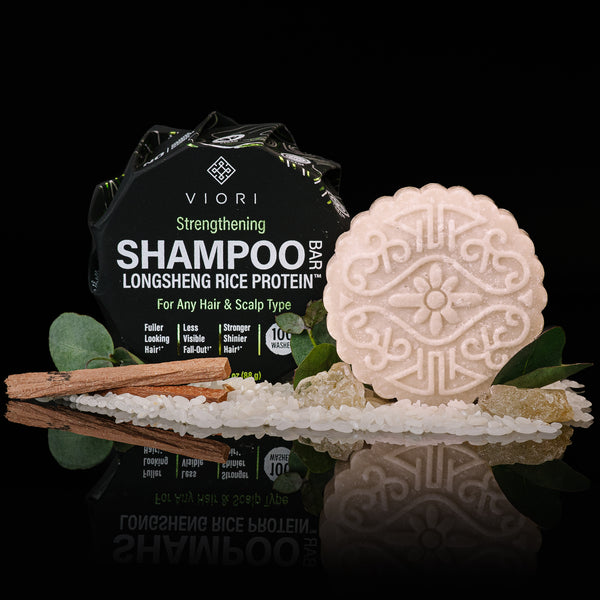
This is one reason I appreciate that Viori’s approach leans into modern, gentle cleansing technology and emphasizes that their products are pH balanced. In professional terms, pH balance isn’t just a nice-to-have-it’s one of the biggest predictors of whether your skin feels comfortable after cleansing.
The Unique “Bar Problem”: Deposition and Friction
Here’s the angle that rarely gets discussed online: bars don’t just cleanse differently-they deposit differently.
When you rub a solid cleanser directly on wet skin, you create a highly concentrated cleansing paste at the surface. That changes everything: how quickly it emulsifies, how it lifts oils, and what (if anything) it leaves behind. It also usually increases friction, which can make sensitive or dry skin feel irritated even if the formula is otherwise gentle.
If you’ve ever tried a bar and thought, “Why does my skin feel coated?” or “Why does it feel tight when I’m using something ‘natural’?”-you weren’t imagining it. Format changes can amplify both the good and the not-so-good depending on technique, water quality, and product design.
A simple technique that improves almost every bar experience
Instead of rubbing the bar directly on your body, build lather in your hands first and apply the lather to skin. You’ll reduce friction, control how much cleanser you’re using, and often get a cleaner rinse feel.
pH: The Quiet Detail That Shows Up on Your Skin
Your skin naturally sits on the slightly acidic side. When cleansers push skin too far alkaline, some people notice more dryness, more sensitivity, or that “tight” feeling after the shower.
That’s why I’m always looking for cleansers described as pH balanced-especially in solid formats, where people assume all bars behave the same (they don’t).
Hard Water Can Completely Change Your Results
If your water is hard (higher in calcium and magnesium), you might experience:
- Less lather than you expect
- A draggy feeling during rinse
- A film-like sensation afterward
A lot of people blame the bar immediately, but hard water can be a major hidden variable. Sometimes what you’re feeling isn’t “residue” from the product so much as the way minerals interact with cleansing and conditioning agents.
If you suspect hard water is part of the issue, start by reducing product amount, rinsing a little longer with lukewarm water, and making sure your bar dries fully between uses.
Bars Don’t Dispense a “Dose,” So You’re in Charge of the Strength
One pump from a bottle is fairly consistent. A bar is not. If the bar is already wet and soft, it can shed more product. If you rub it longer, you apply more surfactant. That means the same product can feel gentle one day and a bit much the next.
WHAT CUSTOMERS ARE SAYING
Real reviews for Rice Water Shampoo Bar – All Hair Types | VIORI
This is especially important if you’re prone to dryness or sensitivity. Over-cleansing doesn’t always look like obvious irritation-it can show up as dullness, tightness, or that feeling that lotion is “not enough” afterward.
Real Sustainability: Longevity Is Part of the Equation
Going non‑plastic is a strong step, but here’s the honest sustainability truth: if your bar dissolves quickly because it sits in water, you’ll replace it sooner. That increases consumption, shipping, and packaging over time-even if the packaging is paper-based.
Viori’s packaging is designed to be biodegradable, sustainable, and recyclable, which supports the goal. But the day-to-day impact is also shaped by how you store and use the bar. Small habits determine whether your non‑plastic swap is truly low-waste.
A Simple Non‑Plastic Body Wash Routine That Feels “High-End”
If you want the switch to feel smooth (and not like a compromise), keep it simple and consistent:
- Wet your skin and hands first.
- Create lather in your hands (or on a washcloth if you use one).
- Apply the lather to your body rather than scrubbing the bar directly on skin.
- Rinse thoroughly with lukewarm water.
- Store the bar where it can drain and fully dry between showers.
The Takeaway
Non‑plastic body wash isn’t just “bar instead of bottle.” It’s a different cleansing system-more concentrated, more dependent on technique, and more influenced by your water and storage. When the formula is thoughtfully designed (including being pH balanced) and your setup supports drying, a non‑plastic routine can feel elevated, effective, and genuinely sustainable.
If you’re trying to troubleshoot a bar that feels filmy, drying, or like it’s disappearing too fast, the fix is often a mix of technique, water variables, and storage-not “giving up” on the idea. Get those dialed in, and the whole experience changes.


