
After twenty years behind the salon chair, I've had this conversation more times than I can count: "I tried making my own natural shampoo, and now my hair feels like straw. What went wrong?"
The answer is never simple, but it always circles back to chemistry.
The natural beauty movement has inspired countless people to take hair care into their own hands-literally mixing ingredients in their kitchens, hoping to recreate grandmother's beauty secrets. And while I deeply respect the desire for transparency and natural ingredients, there's a critical gap between enthusiasm and effectiveness that leaves too many people with damaged, disappointing results.
Let me share what rarely makes it into those Pinterest-perfect DIY tutorials: the complex science of why some homemade recipes work beautifully while others destroy your hair, and what you absolutely need to know before you start mixing.
The pH Factor That Changes Everything
Here's a truth that most natural beauty blogs skip right over: your hair cuticle behaves completely differently depending on pH levels.
Above pH 5.5, your cuticle scales lift open like tiny shingles peeling away from a roof. Below pH 4.5, they lie smooth and sealed. This single factor explains the frizz, breakage, and dullness that plague so many homemade shampoo experiments.
The most popular base for DIY natural shampoo-castile soap-measures between 8.9 and 9.5 on the pH scale. That's extremely alkaline for hair. Every wash with an unbalanced formula forces your cuticles wide open, exposing the delicate inner structure to damage, moisture loss, and mechanical stress from brushing and styling.
Professional formulations maintain pH between 4.5 and 5.5-that slightly acidic sweet spot where cuticles stay smooth and protected. This isn't about "chemicals versus natural." This is about respecting the biological reality of how keratin actually functions.
When I recommend Viori's shampoo bars to clients, this pH balance is one of the first things I mention. Their formulations maintain that crucial acidic range, which is why hair feels smooth and manageable rather than rough and tangled.
NOT SURE WHICH PRODUCT IS RIGHT FOR YOU?
TAKE THE QUIZTakes 30 seconds · 134,000+ customers matched
The Water Problem No One Warns You About
Even more overlooked is how your water supply interacts with homemade formulas-specifically hard water.
If you have hard water (and about 85% of American homes do), it contains calcium and magnesium ions that chemically bond with soap molecules. The result? Insoluble precipitates-that waxy, impossible-to-rinse-off residue that coats your hair shaft after using soap-based DIY shampoos.
This isn't a "detox period" your hair needs to push through. It's chemistry creating buildup that blocks moisture, dulls shine, and makes hair feel perpetually dirty no matter how much you rinse.
Professional formulations account for this with specific ingredient choices that don't react with mineral content in water. This is why even naturally-sourced cleansing agents perform dramatically better than plain soap-they're designed to work with the reality of your water supply, not against it.
Ancient Wisdom That Actually Works: The Fermentation Factor
Now, here's where homemade formulations can genuinely shine-when they incorporate proper fermentation techniques.
Fermented rice water isn't just trendy; it's backed by both centuries of traditional use and modern scientific research. But here's what most DIY recipes get wrong: fermentation timing is absolutely critical.
Let me break down what actually happens during the fermentation process:
Days 1-3: Starches begin breaking down into simpler sugars. Minimal benefit for hair at this stage.
Days 4-7: Bacterial fermentation produces B-vitamins and naturally lowers pH to around 4.5-5.0-that perfect range I mentioned earlier. Protein structures start breaking into smaller, usable molecules.
Days 7-10: Peak inositol concentration (a vitamin B8 compound that strengthens hair). This is your optimal window.
Beyond day 10: The mixture becomes too acidic (below pH 4.0), and proteins begin degrading. Not what you want.
Most online recipes vaguely instruct "ferment for a few days," completely missing this crucial precision. Under-fermented rice water provides minimal benefit. Over-fermented can actually damage your hair's protein structure.
The Red Yao women of Longsheng, China-famous for their extraordinarily long, healthy hair well into old age-have refined their fermentation process over 2,000 years. They harvest their rice water at exactly the right moment for maximum benefit. This traditional knowledge is what Viori has worked to preserve and incorporate into their formulations, capturing that optimal fermentation window in every bar.
The Protein Mistake That Makes Hair Brittle
Another critical aspect rarely discussed: protein overload.
Many natural recipes enthusiastically pile on protein sources-eggs, gelatin, rice protein, aloe-without understanding that hair needs both protein AND moisture in precise balance.
Think of your hair like a sponge. Protein provides structure and strength (the sponge framework), while moisture provides flexibility and elasticity (the water the sponge holds). Too much protein without adequate moisturizing ingredients creates brittle, stiff hair that snaps easily.
This is especially problematic for people with low-porosity hair, which already struggles to absorb and retain moisture.
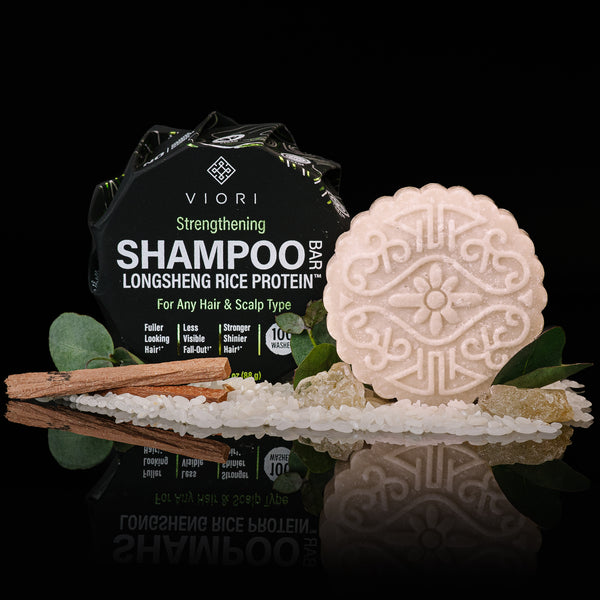
Professional formulations balance small-molecule proteins (that penetrate the hair shaft to strengthen from within) with emollient ingredients like natural butters and oils (that seal moisture at the cuticle surface). Viori's bars, for instance, combine hydrolyzed rice protein with cocoa butter, shea butter, and rice bran oil-addressing both internal structure and external protection.
Replicating this balance at home requires precise measurements and understanding of how different molecular weights behave. Without this knowledge, you're essentially guessing.
The Preservation Reality Check
Let's talk about something that makes people uncomfortable: microbial contamination.
Any water-based homemade shampoo without preservatives becomes a bacterial breeding ground within 3-7 days at room temperature. In the warm, humid shower environment? Even faster.
I've personally witnessed clients develop scalp infections from contaminated DIY products. Mold, bacteria, and yeast thrive in warm, wet environments with organic nutrients-which perfectly describes every natural shampoo recipe.
You have limited options:
Option 1: Make tiny batches and refrigerate. Use within 5 days. Honestly? Not practical for most lifestyles.
Option 2: Add natural antimicrobials. Ingredients like rosemary extract or radish root ferment. But now you're adding processed ingredients-naturally sourced, yes, but processed nonetheless. The irony isn't lost on me.
Option 3: Use water-free formulations. Bars, powders, or oil-based products. This is actually the most practical natural approach.
Properly formulated soap and shampoo bars are self-preserving when dried between uses because bacteria need water to multiply. This is one significant advantage of quality bar shampoos-they require no synthetic preservatives yet remain microbiologically safe for years.
Not All "Chemicals" Are Bad, Not All "Natural" Is Safe
Here's what the clean beauty movement often oversimplifies: chemistry isn't the enemy; it's just science.
Natural plant-based surfactants (cleansing agents) do exist-saponins from soapnuts, soapwort, or yucca root. These are genuinely plant-based cleansers. But they're extremely weak detergents with poor foaming properties and minimal ability to remove oils.
Fine for very minimal dirt and oil, but useless if you use any styling products, live in a polluted environment, or have naturally oily hair.
This is where naturally-derived surfactants come in. Ingredients like Sodium Cocoyl Isethionate start with coconut oil but go through chemical processes to create effective cleansing agents. They're dramatically gentler than traditional soap, don't create hard-water buildup, and can be formulated to proper pH levels.
The term "sulfate-free" has become shorthand for "gentle," but this is oversimplified. Some sulfate compounds are harsh-but dismissing all sulfate-containing ingredients means eliminating genuinely gentle, plant-derived ingredients based on name alone rather than actual chemistry.
Understanding the science behind ingredient names-not just reading lists with fear-is crucial for making truly informed choices.
What Actually Works: Practical Formulation Knowledge
If you're committed to creating natural hair cleansers at home, here's what my professional experience and formulation knowledge suggests:
For Oily Scalp Types: The Citrus-Fermented Rice System
- Fermented rice water (7-9 days fermentation time)
- Cold-pressed citrus essential oils (grapefruit, lemon, or bergamot)
- Witch hazel or white willow bark extract
- Vegetable glycerin (3-5% by volume to prevent over-drying)
- Target pH: 4.8-5.2
The citric acid helps break down excess sebum while the fermented rice water provides proteins and B-vitamins for scalp health.
For Dry/Normal Scalp Types: The Moisture-Protein Balance System
- Fermented rice water (5-7 days)
- Hydrolyzed oat protein (adds slip and moisture retention)
- Aloe vera juice (not gel-different molecular structure)
- Jojoba or broccoli seed oil (2-3%, properly emulsified)
- Marshmallow root extract (natural detangling)
- Target pH: 4.5-5.0
This emphasizes moisture retention while providing strengthening proteins in appropriate balance.
The Simplest Option: Powder-Based Dry Cleansing
- Arrowroot powder (or kaolin clay for oilier types)
- Finely ground colloidal oatmeal
- Rice starch
- Optional: cocoa powder for dark hair, lavender powder for scent
Mix fresh for each use, apply to roots, massage thoroughly, brush out after 5 minutes. Absorbs oil without water, no preservation concerns, truly natural and effective.
The Scalp Microbiome: Cutting-Edge Territory
Here's something rarely discussed in DIY formulation circles: your scalp hosts approximately one million microorganisms per square centimeter.
This complex ecosystem of bacteria, fungi, and other microbes maintains scalp health when properly balanced. Harsh cleansers-including many soap-based DIY shampoos-disrupt this microbiome, potentially causing:
- Increased dandruff (from yeast overgrowth)
- Seborrheic dermatitis flares
- Paradoxically increased oiliness (your scalp overcompensates)
- Inflammation and heightened sensitivity
Fermented ingredients contain postbiotics-beneficial metabolic byproducts that support helpful scalp bacteria while inhibiting problematic strains. This is sophisticated biochemistry that ancient beauty rituals accidentally optimized through centuries of trial and error.
WHAT CUSTOMERS ARE SAYING
Real reviews for Rice Water Shampoo Bar – All Hair Types | VIORI
Modern formulations that incorporate traditionally fermented ingredients while maintaining appropriate pH, cleansing effectiveness, and preservation represent the best of both worlds. This is exactly what Viori has achieved by using traditionally fermented Longsheng rice in properly formulated bars-benefits that are genuinely difficult to replicate in home kitchens without extensive chemistry knowledge.
The Truth About "Transition Periods"
Many DIY advocates mention a "transition period" of 2-4 weeks where hair feels terrible before supposedly improving. Is this real or just rationalization?
It's partially real, but widely misunderstood.
Here's what's actually happening:
- Sebum regulation adjustment: If you've used harsh shampoos, your scalp may overproduce oil to compensate. Switching to gentler cleansing does require hormonal adjustment-but this takes 7-10 days maximum, not months.
- Buildup removal: Silicones and polymers from conventional products can take several washes to fully remove. Hair may feel different during this phase-but not necessarily bad if your new product is properly formulated.
- Cuticle adaptation: Switching from high-pH products to properly balanced ones allows cuticles to seal more effectively, changing hair texture. This is actually positive adaptation, not damage.
However-and this is crucial-if your hair continues deteriorating beyond two weeks, your new product is likely problematic. Don't persist through months of damage hoping for magical transformation. Your hair is telling you something is wrong.
The Temperature Detail That Makes a Difference
Here's a technical detail most DIY recipes completely ignore: temperature matters enormously.
When creating emulsions (mixing oils with water-based ingredients), temperature determines whether your mixture stays blended or separates:
- Too cool: incomplete mixing, separation occurs within hours
- Too hot (above 70°C/158°F): proteins denature, vitamins degrade
- Optimal: 60-65°C (140-149°F) for proper emulsification
For application, cool water in your final rinse seals the cuticle after cleansing, dramatically reducing frizz and increasing shine. Hot water during final rinse opens cuticles, causing moisture loss and frizz.
This simple temperature adjustment often makes more difference than complicated ingredient additions.
When DIY Makes Sense (And When It Doesn't)
After two decades in this industry, here's my honest assessment:
Homemade formulations work well for:
- Dry shampoo powders (no preservation issues)
- Single-use fresh treatments (made and used immediately)
- Pre-wash oil treatments (no water means self-preserving)
- Hair rinses (weak acids like diluted apple cider vinegar)
Professionally formulated products excel at:
- Consistent pH control wash after wash
- Precisely balanced protein-moisture ratios
- Appropriate preservation for long-term safety
- Performance in various water conditions
- Reliable texture and consistency
Viori's approach of using fermented Longsheng rice water-prepared through the traditional 7-10 day Red Yao process-in pH-balanced bar formulations represents years of development to scale ancient wisdom into consistent, safe, effective products. Replicating this at home requires fermentation timing knowledge, pH testing equipment, preservation expertise, and formulation chemistry understanding that most people simply don't have access to.
That's not a criticism of DIY enthusiasts. It's simply acknowledging that some things benefit from specialized knowledge and equipment.
The Environmental Equation
One final consideration that deserves honest examination: lifecycle environmental impact.
DIY advocates often point to reduced packaging as an environmental win. But complete analysis requires considering:
- Water usage (many homemade recipes create liquid products requiring bottles and preservation)
- Ingredient sourcing (small-quantity purchasing


