
If you’ve switched to a shampoo bar and suddenly found yourself staring at a scary clump of hair in the shower, you’re in very good company. I’ve had clients bring photos, count strands, and swear their new routine is “making their hair fall out.” Here’s the more honest, technical reality: most of the time, what people call shampoo bar hair loss is actually a mix of normal shedding, breakage, trapped hairs finally releasing, or scalp irritation.
The twist that rarely gets talked about online is this: the “hair loss” is often a measurement error. Not because it isn’t real hair you’re seeing-because it is-but because you’re seeing a different combination of events happening at once, in one very dramatic place: your shower.
First, define what you’re seeing: shedding, breakage, or “release”
Before blaming any product, we need to identify what type of hair you’re actually losing. These are three different scenarios with three different fixes.
NOT SURE WHICH PRODUCT IS RIGHT FOR YOU?
TAKE THE QUIZTakes 30 seconds · 134,000+ customers matched
1) Shedding (from the root)
Shedding is hair leaving the follicle at the end of its growth cycle. It can look alarming, but it’s also completely normal to shed some hair daily-especially if you don’t brush often or you wash less frequently.
- Look for a tiny white bulb on one end of the hair.
- The strand is usually full length, not snapped.
- You may notice more shedding during washing if you’ve gone longer between washes.
If shedding suddenly increases and stays increased, the bigger suspects are usually stress, hormones, illness, nutritional shifts, medications, or scalp inflammation-not the bar itself.
2) Breakage (snapping along the hair shaft)
Breakage is the one that gets mislabeled as “hair loss” most often. The follicle isn’t releasing hair early-the hair fiber is breaking because it’s snagging, tangling, or being handled too aggressively.
- No bulb at the end.
- Shorter pieces, uneven lengths, or “confetti” hairs.
- More tangles, roughness, or that straw-like feel after washing.
3) “Release shedding” (the shower reveals what was already shed)
This is the sneaky one. If you have thick hair, curly/coily hair, wear protective styles, or wash less often, shed hairs can stay trapped in the hair until wash day. When you change your routine-especially your cleansing method-those hairs can finally slide out all at once.
Result: one or two showers that feel like a disaster, even though many of those hairs were already shed days earlier.
The biggest culprit nobody wants to hear: friction
Shampoo bars change the physics of how people wash. A solid bar invites rubbing. Rubbing increases friction. Friction lifts the cuticle. Lifted cuticles tangle. Tangles lead to aggressive detangling. Aggressive detangling leads to breakage. Breakage looks like “hair loss.”
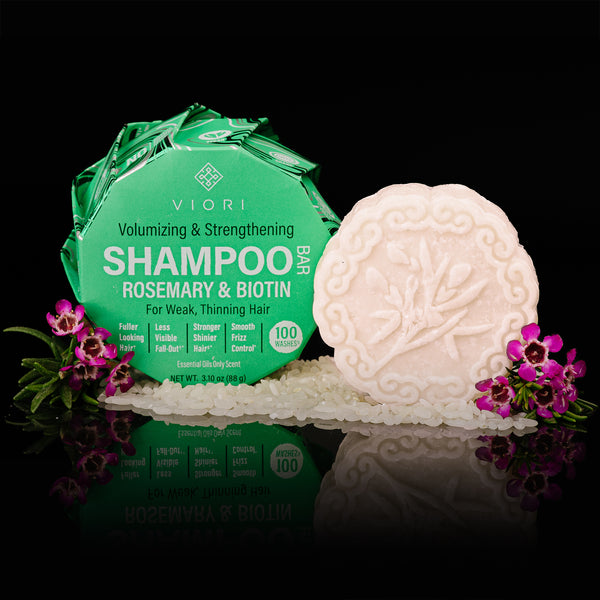
If you want one simple change that can make a massive difference, it’s this: don’t scrub your hair with the bar.
A better way to wash with a bar (especially if you’re shedding or fragile)
- Wet hair thoroughly and let it saturate for a full 30 seconds.
- Create lather in your palms first.
- Apply the lather to the scalp and massage with fingertips (not nails).
- Let the suds rinse through the lengths-avoid scrubbing ends.
Viori even recommends this approach for color-treated hair: lather in your hands and work through with your fingers rather than rubbing the bar directly on your head. It’s a professional-level tip disguised as a simple instruction.
pH: the quiet variable that changes everything
Hair is at its best when products stay within a hair-friendly pH range. When pH is too high, hair tends to feel rougher and more “grabby,” which increases tangling and makes breakage more likely during detangling.
One reason Viori stands out in the bar category is the emphasis on being pH balanced. That matters because a balanced pH helps keep the cuticle more controlled, which means less friction, less snagging, and a smoother wash day.
When it’s not breakage: the scalp irritation pathway
If your scalp feels fine, the issue is often technique and friction. But if your scalp feels itchy, tight, burning, or inflamed, that’s a different story. Scalp irritation can increase shedding for some people, and scratching adds mechanical damage on top of it.
If you’re sensitive or fragrance-reactive, Viori’s Native Essence (unscented, no added fragrance) is often the most logical place to start. It removes a major variable while you figure out what your scalp actually tolerates well.
Protein gets blamed, but the real issue is usually “stiffness + friction”
People love to point fingers at protein when hair feels weird after a routine change. The nuance is this: protein doesn’t typically cause follicle-based hair loss. What can happen is that hair feels slightly stiffer, then friction and detangling forces do the rest.
Viori uses a low concentration of rice protein, designed to be safe for frequent use. And when you follow with conditioner, you restore slip and reduce the force it takes to comb through-exactly how you prevent breakage that gets mistaken for shedding.
Why your Viori “scent choice” can affect performance more than you’d expect
Most people assume scent is just scent. Viori’s FAQ points out an important detail: while the overall formula is consistent, the scent profile can shift how a bar behaves for certain scalp types. For example, Citrus Yao contains citric acid, which helps break down oil and is why it’s commonly recommended for normal-to-oily scalps.
WHAT CUSTOMERS ARE SAYING
Real reviews for Rosemary Biotin Shampoo Bar – Thinning Hair | VIORI
That means bar selection isn’t just personal preference-it’s part of the technical match between cleanser and scalp.
- Oily scalp: Citrus Yao
- Dry/normal scalp: Terrace Garden, Hidden Waterfall, or Native Essence
- Sensitive scalp or fragrance concerns: Native Essence
A quick at-home check: is it root shedding or breakage?
You don’t need fancy tools-just a little observation.
- White bulb on the end: more likely shedding.
- No bulb + shorter hairs: more likely breakage.
- Itch/redness/burning: consider irritation as a driver of increased shedding.
How to prevent “shampoo bar hair loss” (the practical routine)
If you’re trying to stay with a shampoo bar but want to stop the panic spiral, these steps are the ones I’d put most clients on immediately.
- Stop rubbing the bar directly on your hair. Lather in hands first.
- Cleanse the scalp, not the ends. Let suds rinse through lengths.
- Condition every wash. Conditioner helps replace slip and reduce tangling.
- Detangle gently. Use a wide-tooth comb, start at ends, work up.
- Give it time. Viori recommends a consistent trial of 2-3 months before calling it quits, because results and adaptation vary.
When to pause and get professional support
If you’re noticing rapid thinning, persistent scalp burning, open sores, or hair coming out in patches, stop using the product and consult a qualified medical professional. A hair routine should never require you to “push through” inflammation.
The bottom line
In most cases, shampoo bar hair loss isn’t true hair loss-it’s breakage from friction, trapped hairs finally releasing, or scalp irritation that needs a gentler approach. Once you match the bar to your scalp type, adjust technique to reduce friction, and commit to conditioning for slip, the “hair loss” story often changes fast.


