
Most conversations about shampoo bars and Black hair turn into a tug-of-war: one side swears bars are drying, the other side says they’re life-changing. In the salon, I’ve seen both outcomes-often with the exact same product. The difference usually isn’t “whether bars work.” It’s how the bar is used, what your scalp actually needs, and how well your routine protects fragile lengths from unnecessary wear.
Here’s the technical truth, in plain language: a shampoo bar is a different delivery system than liquid shampoo. That changes the way you apply cleanser, how much friction you create, and how evenly conditioner deposits. With Black hair-especially coily textures, high shrinkage patterns, and protective styles-those details matter more than most people realize.
Why Black Hair Can Feel “Different” With Shampoo Bars
Black hair often has a few built-in realities that influence wash day. The natural bends and turns in the strand can make it harder for scalp oils to travel down the length, which means you can have an oily scalp and dry ends at the same time. Add in detangling, styling tension, heat, color, or long-term protective styling, and the hair can be more sensitive to anything that increases tangling or roughness.
NOT SURE WHICH PRODUCT IS RIGHT FOR YOU?
TAKE THE QUIZTakes 30 seconds · 134,000+ customers matched
That’s why shampoo bar success with Black hair isn’t just about moisture-it’s about keeping the strand smooth, minimizing snagging, and staying consistent with scalp care.
The Overlooked Issue: Friction (Yes, Friction)
This is the angle I rarely see discussed online: shampoo bars can quietly increase mechanical friction. Liquid shampoo spreads easily across wet hair. A bar, on the other hand, encourages people to rub directly on the scalp or drag the bar down the hair to “get enough product.” That extra drag can make coils tangle faster and can rough up the cuticle over time.
If you take nothing else from this post, take this: avoid rubbing the bar directly on your hair, especially the lengths.
- Better method: build lather in your hands first, then apply the lather with your fingertips.
- Why it works: less drag on the hair, more control, and more even distribution.
- Bonus: it’s also a smarter approach for color-treated hair since it reduces unnecessary friction.
pH: The Quiet Detail That Affects Slip, Shine, and Frizz
People can debate oils, butters, and “clean” ingredients all day, yet ignore the one thing that can make hair feel instantly rough: pH. When a cleanser is too alkaline, hair can feel squeaky, rough, and harder to detangle. That’s because the cuticle can lift more, increasing friction between strands.
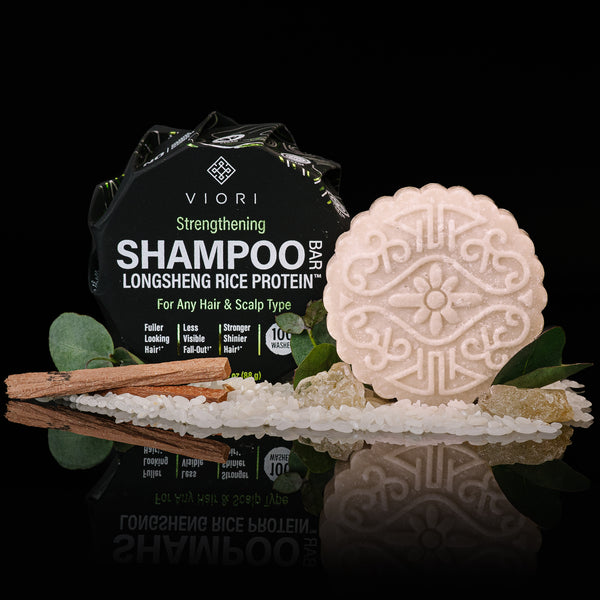
Viori bars are formulated to be pH balanced, which matters because hair products generally perform best within a mildly acidic-to-near-neutral range. For coily hair, that can be the difference between “my curls feel soft” and “why does everything feel stuck?”
Why the Cleansing System Matters (And Why Viori’s Is Relevant)
Not every shampoo bar is built the same. Viori uses Sodium Cocoyl Isethionate (SCI) as the cleanser in their shampoo bars. In formulation circles, SCI is known for a gentler, creamier lather-often nicknamed “baby foam”-because it can cleanse effectively without the harsh, stripped feeling many people associate with stronger surfactants.
For Black hair, that matters because your ends are often operating with a built-in moisture disadvantage. A cleanser that cleans the scalp well while staying gentler on the lengths can make your whole routine easier to manage.
Conditioner Bars: Incredible Slip… If You Apply Them the Right Way
Conditioner bars can be a game-changer for coils because they can leave a smoothing, detangling film that reduces hair-to-hair friction. Viori’s conditioner bar uses Behentrimonium Methosulfate (BTMS), a conditioning ingredient prized for slip and manageability. Despite the name, it’s not the harsh cleansing sulfate category people try to avoid; it’s a conditioning compound that helps hair feel softer and easier to comb through.
Where people run into trouble is usually not “buildup” in the way they think. It’s often uneven deposition-too much product in one area, not enough in another-combined with not enough water while applying or not rinsing thoroughly.
- Add water as you apply so the conditioner spreads evenly.
- Work in sections for consistent coverage on coily hair.
- Rinse well to prevent patchy coating that can attract lint in twists or braids.
The Pro Move: “Scalp-Only Cleanse + Controlled Runoff”
Here’s the salon approach that keeps Black hair happier over time: cleanse the scalp thoroughly, then let the suds rinse down the lengths. Unless your ends are truly dirty (heavy product, dust, sweat buildup), aggressive scrubbing of the ends can create unnecessary tangles and dryness.
This method helps preserve curl pattern, reduces detangling stress, and supports better length retention-because you’re limiting wear where the hair is most fragile.
Scalp Flakes: Match the Bar to the Scalp Type
“Dandruff” is a catch-all term, but wash-day strategy should change depending on whether the issue is driven by oiliness or dryness.
WHAT CUSTOMERS ARE SAYING
Real reviews for Rice Water Shampoo Bar – All Hair Types | VIORI
- Oily scalp flakes: Viori often recommends Citrus Yao shampoo and conditioner. Citrus components (including citric acid in the scent profile) can help break down oil more effectively.
- Dry scalp flakes: Viori often recommends more moisturizing options like Terrace Garden, Hidden Waterfall, or Native Essence.
- Oily scalp + dry ends: a common Black hair combo-use Citrus Yao shampoo on the scalp and a more moisturizing Viori conditioner on the ends.
The “Salon Method” for Washing Black Hair With a Shampoo Bar
If you wear your hair out (wash-and-go, twist-out prep, braid-out prep)
- Pre-detangle and split hair into 4-8 sections.
- Fully saturate the hair with water (this matters more than people think).
- Lather the Viori shampoo bar in your hands and apply the foam to the scalp.
- Massage with fingertips; avoid piling hair on top of your head.
- Rinse while smoothing water downward through the lengths.
- Apply the Viori conditioner bar to mid-lengths and ends, adding water as you go for slip.
- Detangle gently while conditioner is in (fingers or wide-tooth comb).
- Rinse well and move into styling.
If you’re in braids, twists, or locs
- Focus your cleansing on the scalp, not the lengths.
- Avoid dragging the bar over the style (that can create frizz and tension stress at the roots).
- Rinse thoroughly in the direction of the style to prevent product pockets.
Storage Isn’t Just About Longevity-It Affects Performance
If a bar lives in constant water or heavy steam, it softens, dissolves faster, and can release too much product at once (which can make hair feel coated). Viori’s bamboo holder is designed to keep the bar elevated so it can dry between uses. That drying time helps the bar stay stable and easier to control on wash day.
- Keep the holder away from direct water contact.
- Try placing it lower in the shower where steam is less intense.
- Wipe it down occasionally to help prevent moisture issues.
Quick Viori Match Guide for Black Hair
If you want a simple starting point, choose based on your scalp behavior:
- Oily scalp (feels oily in 1-2 days): start with Citrus Yao.
- Normal-to-dry scalp (3-5+ days): consider Terrace Garden, Hidden Waterfall, or Native Essence (Native Essence is unscented and often best for fragrance sensitivity).
- Oily scalp + dry ends: use Citrus Yao shampoo on the scalp and a more moisturizing Viori conditioner on the ends.
Bottom Line: Shampoo Bars for Black Hair Are a Technique Product
When shampoo bars don’t work for Black hair, it’s rarely because the idea is flawed. It’s usually because the bar was used like a liquid shampoo-more rubbing, more drag, more tangling. When you switch to a low-friction method, keep cleansing where it belongs (the scalp), and apply conditioner with water and sectioning, shampoo bars can fit beautifully into a healthy routine.
And if you want the best results with Viori specifically, think like a stylist: clean scalp, protected lengths, and even conditioning film. That combination is what makes coils look and feel their best-wash after wash.


