
Shampoo and conditioner bars often get framed as a “simple swap”-less plastic, easy to travel with, and a cleaner-looking shower shelf. All true. But the real story (and the reason some people rave while others struggle at first) is much more interesting: a bar isn’t just bottled haircare in a different shape. It’s a solid-state delivery system-and it behaves differently the moment water hits it.
After 20 years of working with every hair type under the sun, here’s the biggest “aha” I see with bars: your technique and your shower conditions become part of the formula. Once you understand that, bars stop feeling unpredictable and start feeling incredibly customizable.
The part nobody explains: bars are water-activated micro-dosing systems
Liquid shampoo is pre-diluted. You squeeze out roughly the same concentration each time. A bar, on the other hand, is concentrated until you activate it-so every wash is a fresh dilution you create in real time.
That means two people can use the exact same bar and get different results because they’re effectively mixing different “strengths” in the shower.
NOT SURE WHICH PRODUCT IS RIGHT FOR YOU?
TAKE THE QUIZTakes 30 seconds · 134,000+ customers matched
These variables matter more than most people realize:
- How wet your hair is (soaking wet hair dilutes product faster than damp hair)
- How long the bar sits under water (longer exposure = more product released)
- How much friction you use (rubbing harder increases pickup and cuticle disturbance)
- How you apply it (hands vs directly on hair)
- Your water quality (hard water changes how cleansing and conditioning feel)
Shampoo bars, technically: cleanser choice and pH are the deal-breakers
When people say, “Bars dried my hair out,” the culprit is usually not the bar format-it’s the chemistry. The biggest distinction is whether the bar behaves like traditional soap or a modern shampoo system.
Why pH matters for hair (especially in a bar format)
Hair performs best when products stay within a hair-friendly pH range (often discussed around pH 3.5-6.5). When a cleanser is too alkaline, the cuticle can lift, friction increases, and hair can start to feel rough, dull, or tangly over time-especially if you color your hair or already run dry.
Viori states their bars are pH balanced, which is a major advantage in a solid format where improper pH can show up quickly as “grabby” hair during rinsing.
Why Viori’s cleanser feels different
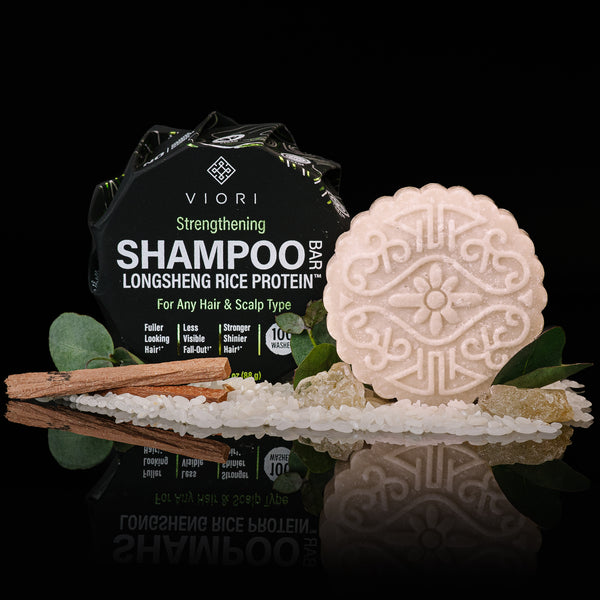
Viori uses Sodium Cocoyl Isethionate (SCI) as the cleanser in their shampoo bars. In the industry, SCI is often called “baby foam” because it’s known for creating a creamy lather with a gentler cleansing feel. It’s derived from coconut, and it’s commonly used in mild cleansing systems.
Conditioner bars aren’t “moisture blocks”-they’re targeted deposition systems
This is the point that changes everything: conditioner isn’t really about “hydrating” hair the way a face cream hydrates skin. Hair is a fiber. What you experience as softness is mostly reduced friction, better slip, improved combing, and a smoother surface.
Professionally formulated conditioners rely on cationic (positively charged) ingredients because hair-especially damaged hair-tends to carry more negative charge. Opposites attract, so the conditioning agents are drawn to the areas that need it most.
Viori’s conditioner bars use Behentrimonium Methosulfate (BTMS), a widely used conditioning ingredient in haircare. Despite the name, it’s not the same as harsh cleansing sulfates that many people try to avoid. In practical terms, BTMS helps:
- Increase slip for detangling
- Reduce friction during combing (a big factor in breakage)
- Improve smoothness and manageability without relying on heavy buildup
“Why doesn’t my conditioner bar lather?” Because it shouldn’t.
Shampoo lathers because it contains a cleanser designed to lift and emulsify oil. Conditioner is designed to deposit and smooth. Viori explains that their conditioner bars don’t include the same foaming cleanser used in shampoo, so you’ll get more of a paste-like, creamy slip than bubbles.
The best way to judge a conditioner bar isn’t by foam-it’s by feel. You’re looking for that moment where your fingers glide and tangles start letting go.
The friction factor: the fastest way to improve your results with bars
With liquid products, you can be a little sloppy and still get decent distribution. Bars are less forgiving because application method affects both concentration and cuticle behavior.
If you rub a shampoo bar directly on your hair, you can create more mechanical wear and increase tangling-especially on fine hair, curls, or color-treated lengths.
Viori recommends a more color-friendly approach: build lather in your palms and apply with your hands. This reduces friction and gives you better control of where the cleanser goes.
The most common mistake: conditioning the scalp and skipping the real dry zones
Bars are held in the hand, so people often apply conditioner too close to the scalp (which can make roots feel heavy or oily faster) while under-applying to the ends where hair is older, drier, and more weathered.
A salon rule that works perfectly here:
- Shampoo = scalp first (oil and buildup live there)
- Conditioner = mid-lengths to ends (friction and dryness live there)
Viori also explains the logic behind this: shampoo removes some protective sebum, leaving strands more vulnerable to environmental stress, and conditioner helps temporarily replace that protection with a smoothing, protective effect.
Fermented rice water: the nuance is concentration and pH stability
Rice water is everywhere online, but most advice skips the part that matters: concentration. Viori notes that high concentrations of rice water used too often can disrupt hair and scalp pH. Their approach uses a lower, pH-balanced amount of fermented Longsheng rice water, combined with other nutrient-rich ingredients, to support similar benefits in a more stable format.
They also include supportive components associated with fermented rice, such as inositol (vitamin B8) and panthenol (vitamin B5), alongside ingredients like hydrolyzed rice protein and botanical support (including aloe vera and bamboo extract).
Scent isn’t just “extra”-in bars, it can change how hair behaves
Most articles treat scent as purely cosmetic. In solid formats, small shifts can change performance. Viori points out that while their bars share a core formula, Citrus Yao includes citric acid, which helps break down oil-one reason it’s often recommended for normal-to-oily scalps. For drier or more sensitive scalps, options like Terrace Garden or fragrance-free Native Essence can feel more comfortable and moisturizing.
WHAT CUSTOMERS ARE SAYING
Real reviews for Rice Water Shampoo Bar – All Hair Types | VIORI
Porosity + bars: why low-porosity hair can feel “buildup-y” faster
Porosity is your hair’s ability to absorb and retain moisture. Viori shares a simple at-home test: place a clean strand in water-if it floats, that suggests low porosity; if it sinks, higher porosity.
Low-porosity hair can be more prone to buildup sensations with bars because it doesn’t “accept” conditioning films as easily-so rinsing well and avoiding over-application becomes especially important. High-porosity hair (often more dry or damaged) typically benefits from the smoothing and slip a conditioner bar can deposit.
Storage isn’t an afterthought-it’s performance control
Bars can be wonderfully low-maintenance, but only if they dry properly between washes. If a bar stays wet, it softens and releases product faster, which changes your dose and can make results feel inconsistent.
That’s why a holder that allows airflow and drainage matters. Viori’s bamboo holders are designed to keep bars elevated so they can air out between uses-less mess, longer life, and more consistent performance.
The “pro routine” that fixes most bar frustration
If you want the benefits of bar haircare without the learning curve, focus on these three levers. They’re simple, but they’re the difference between “meh” and “wow.”
- Control friction: build shampoo lather in your palms and apply with your hands.
- Control placement: shampoo the scalp; condition mid-lengths to ends.
- Control dry-down: store bars where they can fully dry between uses.
Choosing a Viori bar based on scalp reality (not guesswork)
Viori’s guidance is straightforward and matches how I’d approach it professionally:
- Oily/greasy scalp: Citrus Yao is commonly recommended for oil control support.
- Dry scalp or dry hair: Terrace Garden, Hidden Waterfall, or Native Essence are often recommended.
- Sensitive scalp or fragrance sensitivity: Native Essence is the fragrance-free option.
- Oily scalp + dry ends: Citrus Yao shampoo on the scalp, then a more moisturizing conditioner choice on the ends.
If you’re still adjusting, Viori also recommends giving the routine 2-3 months before deciding it’s not for you-because as buildup shifts, technique improves, and your scalp settles, your results often change dramatically.


