
If you’ve ever thought, “My hair looks greasy again by tomorrow,” you’re not imagining it-and you’re not alone. A lot of Asian men deal with a frustrating combo: roots that oil up quickly, hair that falls flat, and a scalp that can swing between itchy and flaky. The internet’s usual advice (“just use a stronger shampoo”) rarely solves it for long.
After 20 years behind the chair, here’s the angle that actually changes outcomes: most of these issues aren’t just about “oily hair.” They’re about a scalp microclimate-a mix of sebum (oil), sweat, heat, humidity, and styling-product film-interacting with how your hair fiber is built and how men typically wear it (shorter, more styled, more touched).
When you treat the microclimate instead of declaring war on oil, you can get the holy grail results: a scalp that feels calm, hair that stays fresher longer, and roots that keep lift instead of collapsing into shine.
NOT SURE WHICH PRODUCT IS RIGHT FOR YOU?
TAKE THE QUIZTakes 30 seconds · 134,000+ customers matched
Why “Asian men’s shampoo” is a real conversation (without stereotypes)
Not every Asian man has the same hair-there’s huge diversity across East, Southeast, and South Asian backgrounds, and individual genetics always win. But in practice, certain patterns show up frequently enough that they’re worth understanding on a technical level. The goal isn’t to label anyone; it’s to match your routine to what your scalp and hair are actually doing.
Hair-fiber geometry: why oil and volume can behave differently
Thicker-feeling strands can lose volume faster when there’s buildup
Many men I see with East Asian hair types have strands that feel thicker and more resilient. That’s a great starting point for strong-looking styles-until oil and product start building up near the scalp. When that happens, the hair can go from structured to heavy very quickly, and the “flat root” effect becomes obvious.
Short haircuts make oil look worse (even if your scalp isn’t “extra oily”)
This part gets missed constantly: sebum is meant to spread from scalp into the lengths. With shorter cuts, there simply isn’t much length to distribute oil into, so it sits near the root and shows sooner. That’s why two men can produce the same amount of oil, but the one with shorter hair looks greasier faster.
The overlooked engine: your scalp microclimate
Your scalp is skin, but it behaves like its own little ecosystem. When oil, sweat, heat, and residue pile up, things can get uncomfortable-even if you’re washing regularly. For Asian men, the microclimate tends to be influenced heavily by lifestyle and grooming habits, not just biology.
- Styling products (wax, clay, pomade) that cling to the hair and scalp
- Hats and helmets that trap heat and sweat
- Humidity and frequent temperature changes (outdoor heat, indoor AC)
That mix can lead to the classic cycle: you shampoo harder, your scalp gets irritated, you feel oilier or itchier, and you shampoo even harder. The goal is to break the cycle without leaving residue behind.
“Dandruff” isn’t one thing-so don’t treat it like it is
A huge reason routines fail is that people treat every flake the same. In reality, flakes can come from very different scalp conditions, and the wrong approach can make things worse.
- Oily scalp flaking: tends to clump, feel waxy, stick to the scalp, and often comes with itch.
- Dry scalp flaking: tends to be finer, more powdery, and comes with tightness or sensitivity.
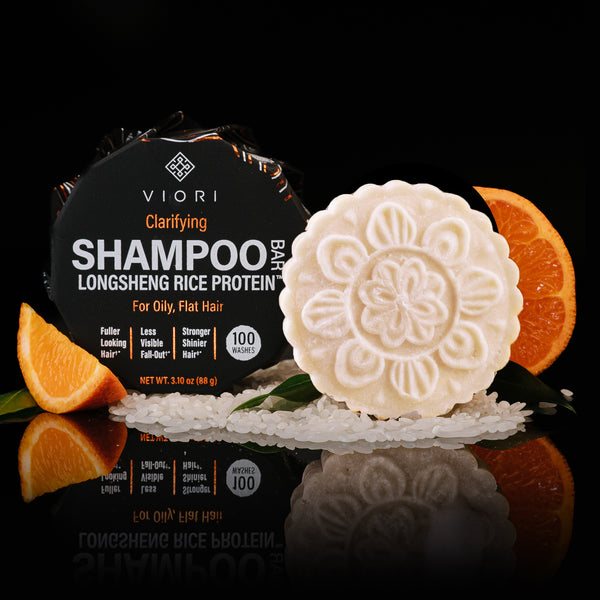
Viori’s own guidance reflects this distinction: for oily scalp dandruff, they typically recommend Citrus Yao, while dry scalp dandruff often responds better to more moisturizing options like Hidden Waterfall, Terrace Garden, or the unscented Native Essence.
The quiet factor that changes everything: pH
When clients tell me, “My hair feels clean but kind of rough,” or “My scalp feels tight after washing,” I immediately think about pH and barrier stress. Hair products work best when they’re kept in a hair-friendly range, and Viori specifically formulates their bars to be pH balanced.
Why does that matter? When a cleanser runs too alkaline, it can leave the cuticle more lifted. A lifted cuticle increases friction, dullness, and that bristly feel men hate-especially around the hairline and crown where you notice texture immediately.
What “strong cleansing” should actually mean for Asian men
Many Asian men don’t need harsh cleansing-they need effective cleansing that targets oil and film without torching the scalp barrier. Viori uses a cleanser called Sodium Cocoyl Isethionate (SCI), a mild-but-capable cleanser that helps lift oil and grime in a way that doesn’t have to feel stripping when properly formulated.
Another ingredient you’ll see in Viori bars is Behentrimonium Methosulfate. The name scares people because of the “-sulfate” part, but this ingredient is commonly used as a conditioning agent, not a harsh cleansing sulfate like SLS/SLES. For men, that can mean less friction, better softness, and hair that styles more easily after washing.
Fermented rice water: the nuance most people skip
Rice water gets talked about online like it’s a “more is better” miracle. Viori takes a more measured approach: they use a lower concentration of Longsheng rice water because high concentrations used too often can disrupt scalp and hair pH. That’s a formulation mindset I respect-especially for men who wash frequently.
In Viori bars you’ll also find supportive ingredients like hydrolyzed rice protein, vitamin B8 (inositol), and vitamin B5 (panthenol). The practical benefit isn’t magic; it’s about improving hair feel, resilience, and reducing breakage so hair looks healthier over time.
How to choose the right Viori bar (skip the gender labels)
The best way to pick a shampoo is by scalp behavior, not by what a label says “men” should use. Viori offers a simple timeline test that’s surprisingly accurate.
- Oily scalp: feels oily again in 1-2 days
- Normal scalp: feels oily around day 3
- Dry scalp: feels oily day 4 or later
From there, a solid starting point is:
WHAT CUSTOMERS ARE SAYING
Real reviews for Volumizing Rice Water Shampoo Bar – Oily Scalp | VIORI
- Citrus Yao: best suited for normal-to-oily scalp types (Viori notes it contains citric acid, which helps break down oil)
- Native Essence: unscented and a go-to for sensitive scalps or anyone avoiding fragrance
- Hidden Waterfall: a comfortable “middle ground” for many normal routines
- Terrace Garden: often a great direction when moisture support is the priority
The technique that makes or breaks your results (especially with short hair)
With bar shampoo, how you apply it matters. One of Viori’s best tips-especially if you’re sensitive, flaky, or color-treated-is to build lather in your hands and work it through your hair, rather than rubbing the bar aggressively on your scalp. Less friction usually means less irritation.
Here’s the wash routine I give men who use styling products and feel oily fast:
- Rinse for 60-90 seconds before you shampoo. This alone makes a noticeable difference.
- First cleanse: quick pass focused on lifting surface film; rinse well.
- Second cleanse: smaller amount, massage 45-60 seconds; rinse well.
- Condition: focus mid-lengths to ends (yes, even men have ends-and they’re the first to dehydrate).
Viori also recommends conditioner because cleansing removes some natural sebum, leaving strands more vulnerable to damage from sun, heat, and friction. Conditioner helps restore slip and protection while the scalp rebalances.
Quick troubleshooting: what your hair is trying to tell you
- Oily fast + flakes: you may be in an oily scalp flake pattern-lean toward better oil control (often Citrus Yao).
- Tight, itchy scalp after washing: that often points to barrier stress-consider Native Essence or a more moisturizing direction like Terrace Garden, and turn down the water temperature.
- Clean but heavy/flat: think buildup-double cleanse and avoid conditioning at the roots.
- Oily scalp but rough ends: a mix-and-match routine can help-Viori often suggests Citrus Yao shampoo for the scalp and a more moisturizing conditioner like Hidden Waterfall, Terrace Garden, or Native Essence on the ends.
How long should you test a new routine?
Hair can change quickly, but scalp patterns take time. Viori recommends giving their routine 2-3 months before deciding-especially if you’re correcting buildup, irritation, or inconsistent oil patterns. That’s a realistic window for the scalp to settle into a healthier rhythm.
If you want a truly dialed-in recommendation, start with three details: how fast your scalp oils up after washing, whether you use wax/clay/pomade, and whether your flakes are oily/clumpy or dry/powdery. That combination tells me more than hair “type” ever will.


