
If you’ve ever typed “best eyelash extension shampoo” into a search bar, you’ve probably been chasing the same goals my clients mention in the chair: better retention, fewer itchy lash days, and lashes that still look clean and fluffy right up until the fill.
But here’s the professional truth-lash shampoo isn’t just a “gentle cleanser.” It’s a balancing act between effective lash-line hygiene and protecting a delicate extension system (synthetic fiber + natural lash + cured adhesive bond) that lives in a warm, humid, oil-rich environment. The “best” product is the one that cleans thoroughly without forcing you to scrub.
What you’re actually cleaning (and why water doesn’t cut it)
The lash line collects a very specific kind of buildup, and it’s not the same as “dirty hair.” You’re dealing with oils, skincare residues, and microorganisms that love to settle right where extensions attach.
NOT SURE WHICH PRODUCT IS RIGHT FOR YOU?
TAKE THE QUIZTakes 30 seconds · 134,000+ customers matched
Common buildup at the lash base includes:
- Sebum and waxy oils from the lid margin (stubborn and water-repelling)
- Biofilm (a sticky layer created by microbes that helps debris cling)
- Makeup and sunscreen film-formers that can grip the lash line
- Dust and pollution particles that bind to oil
- Tear film salts that can contribute to crusting
Water can rinse away loose debris, but it doesn’t reliably lift oil or break apart biofilm. That’s why a true lash cleanser matters-because the job is less “freshening up” and more “removing what’s glued down.”
The retention myth: it’s usually not the cleanser “dissolving the bond”
A lot of people worry that cleansing will melt the adhesive. In day-to-day wear, the bigger issue is almost always mechanical stress-meaning what happens when buildup causes irritation, and irritation leads to rubbing, picking, or aggressive brushing.
Here’s what I see cause lash loss far more often than cleanser chemistry:
- Residue left behind at the base, which attracts more dirt (and triggers itching)
- Oil not fully removed, so lashes twist, tangle, and feel “heavy” sooner
- Stinging during cleansing, which makes people rush the rinse and under-cleanse
- Over-brushing to feel clean, which torques the natural lash at the attachment point
In other words: the “best” lash shampoo is the one that keeps your lash line comfortable enough that you don’t feel the urge to rub your eyes later.
The detail most people miss: friction and oil “wicking” at the lash base
Let’s talk about something you rarely see discussed online. At the base of an extension, there’s a microscopic zone where tiny gaps and surface textures can hold onto oils and debris. Your cleanser doesn’t just clean-it changes how everything moves.
1) Friction: too much drag or too much slip can both backfire
A cleanser that creates a lot of drag can make you scrub harder. On the flip side, a cleanser that feels extremely slippery can make some people over-brush because they can’t “feel” the lash line getting clean. Either way, the adhesive bond experiences more stress.
The sweet spot is a cleanse that feels controlled: clean at the base without turning your lash wash into a five-minute scrub session.
2) Capillary wicking: how oils travel where you don’t want them
Oils can migrate along tiny spaces near the lash base. A good cleanser should lift and emulsify oils quickly so they rinse away cleanly-rather than spreading them along the lash line and leaving a “clean-ish” feeling that doesn’t last.
What “best” looks like in real life: surfactants, rinseability, and comfort
At the heart of every lash shampoo is its surfactant system-the cleansing ingredients that lower surface tension and help water lift oil and debris. The goal is simple: high cleaning power with low irritation.
For example, Viori’s ingredient education often highlights cleansing approaches that prioritize mildness-like Sodium Cocoyl Isethionate (SCI), a cleanser commonly described in personal care as a very gentle, effective foamer. While Viori is best known for haircare, the principle translates well here: when you’re cleansing a sensitive area, you want something that works well without harshness.
Another useful takeaway from Viori’s philosophy is sensitivity awareness. Viori offers an unscented option called Native Essence for those who prefer no added fragrance. For lash clients who are watery-eyed or reactive, that concept matters: the more comfortable the cleanse, the more consistent the routine, and consistency is what keeps the lash line healthy.
Foam isn’t just for fun: why “foam behavior” affects your results
People love to rate cleansers by how foamy they are, but foam has a job to do. The best lash shampoos often create a foam that’s:
- Fine-bubbled and creamy so it stays where you put it
- Stable enough to cleanse without dripping into the eye
- Easy to rinse so it doesn’t linger at the lash base
If foam runs into the eye, you tear up. If you tear up, you wipe. If you wipe, you stress your lashes. Foam that behaves well is a surprisingly practical retention feature.
The best product still needs the best technique (this is where results are made)
I’ve seen “perfect” cleansers fail simply because the method was too rough or too rushed. If you want longer-lasting sets, cleansing has to be effective and low-friction.
WHAT CUSTOMERS ARE SAYING
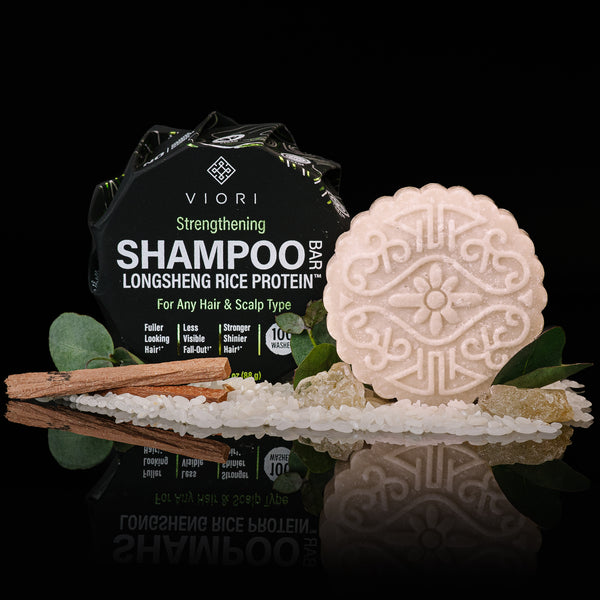
Real reviews for Rice Water Shampoo Bar – All Hair Types | VIORI
Here’s the routine I teach for a clean lash line with minimal stress on the extensions:
- Rinse with lukewarm water to soften surface debris without overheating the lid area.
- Work cleanser into a soft lash brush (or fingertips if you’ve been shown how).
- Use tiny circular motions at the lash line, focusing on the lid margin where buildup lives.
- Rinse thoroughly until the base feels clean and there’s no slick residue left behind.
- Pat dry and separate with a clean spoolie to keep lashes aligned and fluffy.
If a cleanser stings, that’s not something to “push through.” Stinging causes rushed rinsing and incomplete cleansing, and that cycle tends to end in irritation and rubbing. Comfort is not a luxury here-it’s part of the performance.
Quick decision guide: choosing the best lash shampoo for your lash line
There isn’t one universal “best,” because different lids behave differently. Here’s how I’d match cleanser priorities to common situations:
- Oily lids or fast buildup: prioritize oil-lifting performance and a very clean rinse.
- Dry or sensitive lids: prioritize ultra-mild cleansing and low/no fragrance comfort.
- Heavy makeup wear: remove makeup appropriately first, then cleanse the lash line to remove oils and biofilm.
- Crusting or chronic irritation: daily cleansing is essential, and persistent symptoms should be discussed with a medical professional.
Signs your current lash shampoo isn’t the best one for you
If any of these sound familiar, it may be time to switch formulas or adjust your technique:
- Itching a few hours after cleansing (often residue or incomplete oil removal)
- A waxy or coated feel after rinsing (film left behind)
- Stinging that makes you rush (leads to poor rinse and more irritation)
- You have to scrub to feel clean (wrong cleanser profile or too much buildup left behind)
- Inconsistent retention despite regular fills (often hygiene or technique-related)
The takeaway: the best lash shampoo is the one that keeps you clean at the base-and keeps your hands gentle
If you remember nothing else, remember this: clean at the lash base beats clean through the lengths. A cleanser that rinses clean, feels comfortable, and removes oil efficiently will do more for retention than anything that simply smells nice or looks foamy.
Healthy lash line + consistent, gentle cleansing = better retention. That’s the real “best.”


