
Most conversations about shampoo bars focus on ingredients, sustainability, or whether a bar can really replace a bottle. All fair questions. But there’s a quieter detail that can change your results just as much as the formula: shape.
A circle shampoo bar (the classic round, puck-style bar) isn’t just an aesthetic choice. In practice, it can influence how evenly you apply pressure, how much friction you create on the hair cuticle, how quickly you build lather, and even how the bar holds up over time in a steamy shower.
After 20 years of working with every hair type you can imagine-fine hair that tangles if you look at it wrong, curls that drink moisture, color-treated lengths that fade from friction alone-I’ve learned that small mechanical details add up. And a round bar changes the mechanics in ways most articles never mention.
NOT SURE WHICH PRODUCT IS RIGHT FOR YOU?
TAKE THE QUIZTakes 30 seconds · 134,000+ customers matched
Why “round” matters: pressure, friction, and the cuticle
When you shampoo with a bar, you’re not only applying cleanser-you’re applying force. That force gets transferred from your hand into the bar, and then into your scalp and hair.
Here’s the key idea: pressure is force divided by contact area. Bars with corners can concentrate pressure into smaller points, which can make them feel “grabby” on the hair-especially as they wear down.
A circular bar has no corners, so it tends to encourage a smoother glide. That can translate to less snagging and less aggressive scrubbing-two things that matter a lot if you’re trying to protect your cuticle (and your patience).
Hair types that often notice the difference first
In my experience, these hair situations tend to be the most sensitive to friction and pressure “hot spots”:
- Fine hair that tangles easily
- High-porosity hair (often lightened, highlighted, or heat-stressed)
- Curly/coily hair where friction can turn into knots quickly
- Color-treated hair that fades faster when the cuticle is repeatedly roughed up
The overlooked science: how shape influences lather release
Shampoo performance isn’t only about what’s inside the bar-it’s also about how quickly the cleanser turns into usable lather during the short window you’re actually washing.
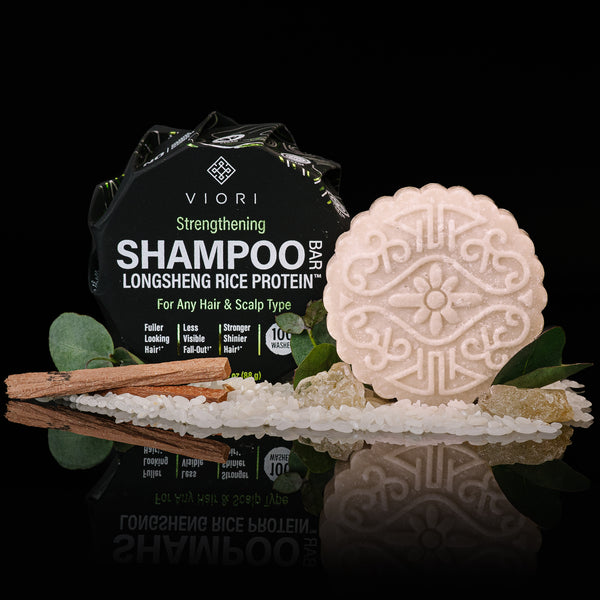
Many high-performing shampoo bars-including Viori-use Sodium Cocoyl Isethionate (SCI) as a primary cleanser. It’s known in the industry for producing a rich, satisfying foam while remaining relatively mild compared to harsher cleansing systems.
Here’s where the circle shape gets interesting: round bars naturally invite a rotational rubbing motion in your hands. That motion increases “shear” at the surface where water meets the bar, which can help the cleanser release and foam up more efficiently. Practically speaking, that often means you get to a good lather faster-and the less time you spend scrubbing, the less friction you’re putting your hair through.
Cuticle care isn’t just products-it’s mechanics
The hair cuticle behaves a lot like roof shingles. When it lies flat, hair reflects light better (hello, shine) and tangles less. When it’s repeatedly roughed up-through friction, harsh conditions, or an unfriendly pH-those “shingles” can lift and catch.
One reason Viori focuses on being pH balanced is because hair generally performs best in a mildly acidic range. Products that lean too alkaline can leave hair feeling dry and rough over time. While a bar’s shape doesn’t change its pH, it can change how you use it-and that can mean the difference between a gentle cleanse and a cuticle-rattling scrub session.
How round bars wear down (and why that affects your wash)
As a bar gets smaller, its surface changes. A circular bar tends to “self-round” as it wears, keeping a consistent curve that stays comfortable in the hand. That matters because it helps the bar maintain a predictable glide on hair instead of developing sharp edges that can feel draggy or uneven.
And yes, bars can crumble when they get thin-this is common across many solid formats. A round shape can sometimes reduce chipping because there are fewer stress points compared to a shape with corners.
The shower reality: storage is half the battle
If there’s one thing I wish every shampoo bar user understood, it’s this: your storage method can make or break your results. A bar that stays wet softens, dissolves faster, and can deposit more product than you intended-especially along the hairline and crown where people tend to “go back in” for another pass.
Viori recommends keeping bars out of direct water contact and letting them dry between washes. Done right, many users report getting 60+ washes per bar, depending on hair length and how much product is used each time.
WHAT CUSTOMERS ARE SAYING
Real reviews for Rice Water Shampoo Bar – All Hair Types | VIORI
The stylist-approved method: how to use a circle shampoo bar with less friction
If you want the benefits of a bar without the breakage and tangling that can come from over-rubbing, technique matters. Here’s the routine I recommend most often-simple, but it works.
- Wet thoroughly (give it 60-90 seconds). Water saturation reduces friction and helps lather form faster.
- Lather in your palms first. This is one of the best ways to reduce bar-to-hair abrasion.
- Focus on the scalp. Use finger pads (not nails), and cleanse in sections rather than scrubbing everything at once.
- Let the foam rinse through the lengths. Most lengths don’t need heavy cleansing unless there’s significant buildup.
- Condition after washing. Cleansing lifts away oil and residue; conditioner restores slip and protection so hair behaves better between washes.
- Store to dry. A holder that keeps the bar drained and aired out will extend the life of the bar and keep performance consistent.
How Viori fits into the circle shampoo bar conversation
A circle shampoo bar describes a shape, but formula quality determines how that shape performs. Viori’s bars are designed to support hair and scalp health with a pH-balanced approach, a mild cleanser system using SCI, and fermented Longsheng rice water used in a safe concentration. They also include supportive ingredients such as hydrolyzed rice protein, vitamin B8 (inositol), vitamin B5 (panthenol), plus scalp- and hair-friendly botanicals like aloe vera and bamboo extract.
And if you’re choosing based on scalp type, Viori keeps it refreshingly practical: Citrus Yao is often recommended for normal-to-oily scalps (its scent profile includes citric acid, which helps break down oil), while Terrace Garden, Hidden Waterfall, and Native Essence are frequently recommended for dry-to-normal scalps. If fragrance sensitivity is a concern, Native Essence is the unscented, gentlest option.
The takeaway: the circle isn’t decoration-it’s function
If your goal is cleaner roots, calmer scalp, less tangling, and fewer “why does my hair feel rough after washing?” days, don’t overlook the geometry. A circular bar can subtly encourage better technique, more even pressure, and faster lather-small changes that can add up to healthier hair over time.
And if you want to get truly dialed in, match your bar choice and routine to your scalp type (oily, normal, dry) and your hair’s porosity (low, medium, high). Those two details tell you more about what your hair needs than almost anything else.


