
After two decades behind the chair working with every hair type imaginable-from fine Nordic strands to coily 4C textures-I've witnessed the rice water phenomenon explode across social media. But here's what concerns me as a professional: most DIY rice water tutorials are inadvertently creating a formula that can damage hair rather than enhance it.
Let me share the technical realities that rarely make it into those viral videos-because your hair deserves better than guesswork.
The pH Catastrophe Nobody's Talking About
Here's the uncomfortable truth that keeps me up at night: improperly prepared rice water typically registers between 7.5-9.0 on the pH scale. Your hair's optimal pH? Between 4.5-5.5.
This isn't a minor discrepancy-it's the difference between sealed, smooth cuticles and cuticles standing at attention like opened shingles on a roof.
When you apply high-pH rice water directly to your hair, you're forcing the cuticle layer to swell and lift. Initially, this might feel like "volume" or "thickness," but you're actually creating microscopic weak points where your hair will eventually snap. This is precisely why some people experience initial results, then sudden breakage around week 3-4.
I've seen this pattern countless times in my salon chair-clients come in excited about their rice water routine, then devastated when their hair starts breaking off in chunks a month later.
The Fermentation Paradox: What Ancient Tradition Actually Teaches Us
The Red Yao women of China-whose centuries-old tradition inspired modern rice-based hair care like Viori's shampoo and conditioner bars-don't just soak rice in water for 15 minutes like most tutorials suggest. Their fermentation process takes 7-10 days at specific temperatures, creating a controlled environment that accomplishes three critical things:
1. pH acidification - Fermentation naturally lowers pH through lactic acid production, bringing it into that safe 4.5-5.5 range your hair craves.
NOT SURE WHICH PRODUCT IS RIGHT FOR YOU?
TAKE THE QUIZTakes 30 seconds · 134,000+ customers matched
2. Inositol concentration - Extended fermentation increases this B-vitamin compound from approximately 0.03% to 0.18%-a 600% increase that makes an enormous difference in hair penetration and protection.
3. Protein hydrolysis - This is the technical game-changer. Fermentation breaks down rice proteins into smaller peptides that can actually penetrate the hair shaft.
Let me explain why this matters: Most home recipes skip straight to the "benefits" without understanding that raw, briefly-soaked rice water contains intact proteins too large to penetrate hair (molecular weight over 1000 Daltons). These proteins just sit on top of your hair, creating buildup and weight.
Properly fermented rice water, however, contains hydrolyzed proteins at 200-500 Daltons-small enough to slip between cuticle layers and actually strengthen hair from within.
It's like trying to push a basketball through a chain-link fence versus pushing marbles through. Size matters at the molecular level.
The Arsenic Elephant in the Bathroom
This is the part that makes many professionals deeply uncomfortable, but it needs to be said: rice naturally accumulates arsenic from soil and water during cultivation. A 2012 study in Environmental Science & Technology found that rice contains 10-20 times more inorganic arsenic than other grains.
Before you panic, understand this: When you create rice water at home, you're extracting water-soluble compounds-which includes arsenic. The concentration depends entirely on:
- Your rice source (brown rice contains significantly more arsenic in the bran layer)
- Whether you rinsed the rice first
- Your water-to-rice ratio
- Fermentation duration (which can concentrate certain compounds)
This isn't fear-mongering-it's biochemistry. The Red Yao use a specific rinsing protocol and rice variety cultivated in mineral-balanced mountain terraces. Your supermarket rice? It's likely grown in conditions optimized for yield, not mineral profile.
Professional formulations like Viori address this through rigorous sourcing verification, multiple rinse cycles before fermentation, pH monitoring during fermentation, and controlled temperature processes that prevent harmful bacterial overgrowth while maximizing beneficial compounds.
This is why I'm cautious about blanket recommendations for DIY preparations without proper guidance.
The Protein Overload Trap (And Why Your Hair Feels Like Straw)
Here's where my technical training becomes crucial: hair needs a precise balance of moisture and protein. Rice water is essentially a protein treatment-a powerful one. The enthusiastic application schedule I see recommended online (daily or every other day) is a recipe for disaster, especially for:
- Fine or thin hair textures
- Color-treated hair (already protein-saturated from chemical processing)
- Low-porosity hair (limited ability to release excess protein)
Professional diagnosis for protein overload includes:
- Hair feels stiff, straw-like, or "crunchy" when dry
- Increased breakage despite strengthening treatments
- Loss of elasticity (hair snaps rather than stretches)
- Dullness and tangles that appeared after starting rice water
I see this weekly in my chair. A client comes in with hair that looks dull and feels brittle, and when I ask about their routine, nine times out of ten they've been using daily rice water treatments for a month.
The Longsheng rice used in professionally formulated products like Viori contains balanced concentrations designed for regular use-typically 2-8% hydrolyzed rice protein combined with moisturizing agents like cocoa butter and shea butter to prevent this protein-moisture imbalance.
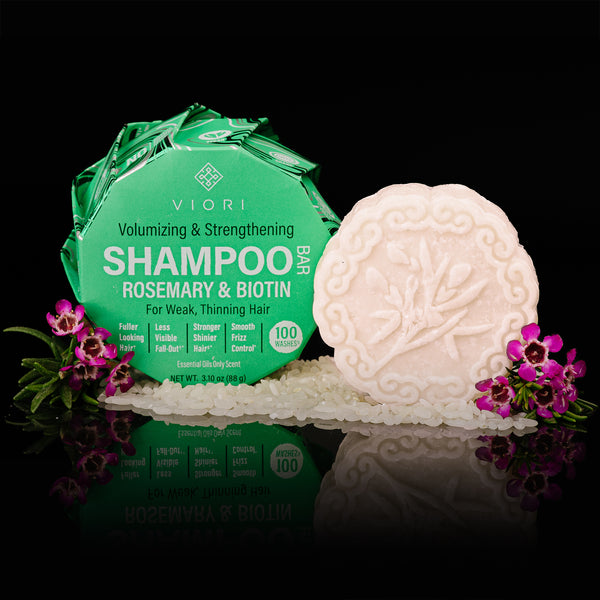
It's formulated for sustainability, not just a quick fix that leads to damage.
The Temperature Variable Nobody Mentions
This is where things get truly nerdy, but stick with me-water temperature during rice water preparation dramatically affects what you're actually extracting:
Cold water extraction (room temperature, 24-48 hours):
- Extracts primarily starches and water-soluble vitamins
- Lower risk of bacterial contamination
- Minimal protein extraction
- Limited inositol availability
Warm water extraction (80-100°F, 12-24 hours):
- Enhanced enzyme activity
- Better protein solubilization
- Increased fermentation rate
- Higher risk of pathogenic bacteria if not monitored
Boiled rice water (then cooled):
- Sterilized but denatures beneficial enzymes
- High starch content (creates coating, not penetration)
- Destroys heat-sensitive B vitamins
- Results in more buildup, less benefit
Most tutorials don't specify temperature control, leaving results to random chance. It's like baking a cake without knowing if your oven is set to 200 or 500 degrees-you might get lucky, but you're more likely to end up with a disaster.
The Hard Water Multiplier Effect
If you live in an area with hard water (high mineral content), you're compounding problems. Hard water already deposits minerals on hair, raising cuticle pH and creating a rough, tangled texture. Adding high-pH rice water on top of mineral-laden hair accelerates cuticle damage exponentially.
I've had clients in cities with extremely hard water who couldn't figure out why their hair always felt coated and stiff-it wasn't just their rice water routine, it was the interaction between their water chemistry and the treatment.
Professional solution: Use distilled or filtered water for rice water preparation, or better yet, use pH-balanced formulations like Viori that account for varying water chemistry and work effectively regardless of your local water situation.
What Actually Drives the Red Yao Results
The scientific literature points to three compounds in properly prepared Longsheng rice water that create the legendary results:
1. Inositol (Vitamin B8)
- Penetrates damaged hair shafts
- Protects hair from internal damage during washing
- Remains in hair even after rinsing
- Requires fermentation to reach therapeutic concentration (0.15-0.2%)
2. Panthenol (Vitamin B5)
- Byproduct of controlled fermentation
- Humectant properties (draws moisture into hair)
- Improves elasticity and reduces breakage
- Concentration increases with proper fermentation time
3. Hydrolyzed Rice Protein
- Strengthens hair temporarily by filling gaps in cuticle
- Only effective at molecular weight below 500 Daltons
- Requires enzymatic breakdown through fermentation OR commercial hydrolysis
The casual rice water rinse viral on TikTok? It contains minimal amounts of these compounds in forms your hair can't actually use. It's like taking a vitamin pill that hasn't been formulated for absorption-it passes right through without benefit.
The Professional Alternative Perspective
Here's my honest professional advice after twenty years of watching trends come and go: unless you're prepared to invest serious time and precision into the process, you're likely setting yourself up for disappointment or damage.
To do DIY rice water properly, you need to:
- Source organic rice from verified low-arsenic regions
- Use distilled or filtered water
- Monitor fermentation temperature (78-82°F optimal)
- Test pH at multiple stages (targeting 4.5-5.5 final pH)
- Adjust application frequency based on porosity testing
- Balance protein treatments with deep moisture conditioning
That's a significant commitment that most people simply don't have time for.
Quality rice-based hair products like Viori's shampoo and conditioner bars use Longsheng rice water prepared through the traditional 7-10 day fermentation process, with controlled pH balanced to the 4.5-5.5 range, verified arsenic-free sourcing, properly hydrolyzed rice protein at the correct molecular weight, moisture-balancing ingredients to prevent protein overload, and standardized concentration that's safe for regular use.
It's the difference between amateur chemistry and professional formulation-both might work occasionally, but only one is consistently safe and effective.
The Scalp Microbiome Factor
Here's a newer area of research that fascinates me: Advanced studies now reveal that scalp health depends on a balanced microbiome-the ecosystem of beneficial bacteria and fungi living on your scalp.
Improperly fermented rice water can:
- Introduce pathogenic bacteria (causing folliculitis or dermatitis)
- Disrupt pH-dependent beneficial bacteria
- Create an environment for Malassezia (dandruff-causing yeast) overgrowth
The Red Yao fermentation process creates a specific bacterial profile-predominantly Lactobacillus species-that's actually beneficial for scalp health. Your kitchen counter fermentation? That's a bacterial lottery where you might win or might end up with an itchy, inflamed scalp.
I've treated clients who developed persistent scalp issues from contaminated DIY preparations. It's heartbreaking because they were trying to do something healthy for their hair.
WHAT CUSTOMERS ARE SAYING
Real reviews for Rosemary Biotin Shampoo Bar – Thinning Hair | VIORI
The Realistic Results Timeline (Setting Honest Expectations)
If you're using properly prepared rice water or quality rice-based products like Viori, here's the realistic timeline based on what I observe professionally:
Weeks 1-2: Minimal visible change; molecular changes occurring at cuticle level (this is when most people give up, thinking it's not working)
Weeks 3-6: Improved texture and manageability as protein reinforces damaged areas (this is when clients start noticing their hair feels different when styling)
Weeks 8-12: Noticeable reduction in breakage; hair retains length better (this is when I start seeing measurable length retention in my chair)
Months 4-6: Potential increase in hair density as follicles remain in growth phase longer due to improved scalp health and reduced breakage
Months 6-12: Fuller appearance due to length retention and healthier new growth (this is the "wow" moment clients come back to tell me about)
The "dramatic before and after" photos circulating online? Often they're either manipulated lighting or styling differences, comparing damaged hair to simply less damaged hair, showing results from multiple interventions (not rice water alone), or featuring genetic variation unrelated to treatment.
Real hair transformation takes consistency and time. Anyone promising overnight results is selling you fantasy, not science.
The Frequency Formula Based on Hair Porosity
Your hair's porosity-its ability to absorb and retain moisture-dramatically affects how often you should use rice water:
Low porosity hair:
- Rice water treatment: Every 10-14 days maximum
- Requires heat (warm towel wrap) to open cuticles
- Must follow with intensive moisture treatment
- Higher protein overload risk (this hair type is particularly vulnerable)
Medium porosity hair:
- Rice water treatment: Every 7-10 days
- Alternating rice water with moisture-rich washes
- Most tolerant of various rice water preparations
- Still monitor for stiffness as early warning sign
High porosity hair:
- Rice water treatment: Every 5-7 days potentially tolerable
- Greatest need for protein (damaged cuticle structure)
- Must use properly pH-balanced preparation
- Should pair with leave-in conditioners to prevent dryness
Not sure about your porosity? Take a strand of clean hair and place it in a glass of water. If it sinks quickly, you have high porosity. If it floats, you have low porosity. If it sinks slowly, you have medium porosity.
The Application Technique That Actually Matters
Most tutorials show people dunking their entire head in rice water like they're bobbing for apples. Here's the professional technique I teach my clients:
- Cleanse first - Remove buildup so rice water can actually penetrate rather than sitting on top of oils and product residue
- Apply to damp (not soaking wet) hair - Water competition reduces absorption; you want your hair receptive, not saturated
- Focus on mid-lengths to ends - Avoid overloading scalp unless treating specific scalp conditions; roots don't need as much protein
- Use cool water for final rinse - Seals cuticle and locks in treatment benefits


