
We've all been there-you settle back into the shampoo bowl, close your eyes, and as those expert hands begin working across your scalp, everything else fades away. Pure bliss, right? But here's what most people don't realize: that incredible feeling isn't just about relaxation. You're actually experiencing a carefully orchestrated sequence of neurological and physical events that most beauty professionals perform intuitively, but few truly understand from a technical perspective.
After twenty years behind the chair, I've come to appreciate that the shampoo massage represents one of the most underappreciated-and most powerful-technical skills in our entire industry. It's not just a nice extra before the "real" service begins. It's a therapeutic intervention with profound implications for scalp health, hair growth, and how effectively your hair care products actually work.
Let me take you behind the scenes of what's really happening during those magical minutes at the shampoo bowl.
The Science Your Stylist Knows (But Probably Never Talks About)
When I apply pressure to your scalp in those slow, deliberate circles, I'm not just helping you unwind after a stressful day. I'm activating something scientists call mechanotransduction-the process where physical touch gets converted into biochemical signals at the cellular level.
Think of it this way: your scalp contains approximately 100,000 hair follicles, and every single one requires adequate blood flow to stay in the active growth phase. During a professional shampoo massage, those circular motions create what I call a "pressure-release cycle"-basically turning my fingertips into tiny pumps that boost circulation to your scalp's microvasculature.
But here's where technique matters enormously: I'm using the pads of my fingers (never the tips) at about 2-3 pounds of pressure-enough to stimulate blood vessels to dilate and increase circulation, but not so much that it causes discomfort. I'm working in 30-second intervals across different zones of your scalp: front, sides, top, and back.
Most stylists rush through this step. What they're missing is the critical window where increased blood flow actually enhances how well products penetrate and work. Timing is everything.
Why You Literally Cannot Do This to Yourself
Here's something fascinating that most people don't know: the effectiveness of a scalp massage partially depends on not being the person performing it.
When you massage your own scalp at home, your brain is simultaneously processing two streams of information: the motor commands (telling your hands what to do) and the sensory feedback (feeling the massage). Your nervous system actually dampens the sensation because it can predict what's coming next. Scientists call this "sensory attenuation."
NOT SURE WHICH PRODUCT IS RIGHT FOR YOU?
TAKE THE QUIZTakes 30 seconds · 134,000+ customers matched
It's the same reason you can't tickle yourself. Your brain is always one step ahead, reducing the intensity of sensations you create for yourself.
But when someone else massages your scalp? Your brain can't predict what's coming. Every touch is a complete sensory event, which means you get the full neurological benefit. This isn't just about feeling more relaxed (though you certainly do). It's about activating specific nerve fibers that project directly to the parts of your brain responsible for emotional processing and body awareness.
When performed at the right speed-about 3-5 centimeters per second with appropriate pressure-professional scalp massage triggers a cascade of beneficial responses:
- Reduced cortisol (the stress hormone that's actually linked to hair loss)
- Increased oxytocin (which has natural anti-inflammatory properties)
- Enhanced alpha brain waves (associated with that dreamy, meditative state)
And here's something that directly impacts your hair: chronic scalp tension-that tight feeling many people experience around their temples and forehead-actually restricts the connective tissue layer beneath your scalp. Over time, this can compromise the health of your hair follicles. Professional massage is one of the few interventions that addresses this mechanical component of scalp health that no product alone can fix.
The Perfect Timing: When Massage Transforms How Your Products Work
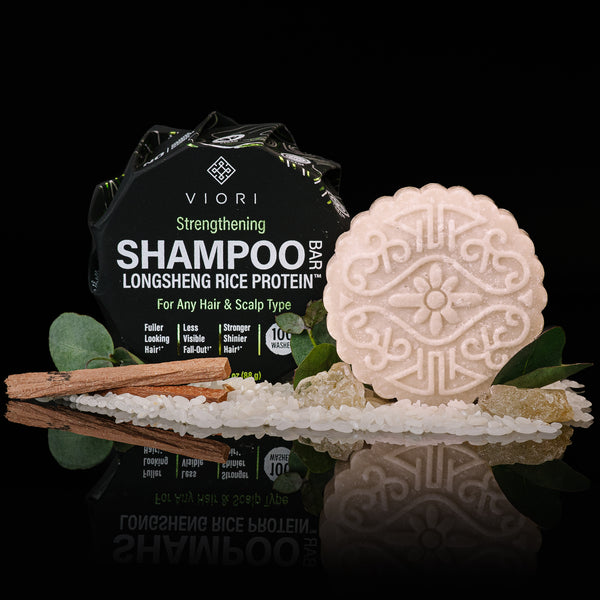
When I'm working with high-quality formulations like Viori's rice water-based shampoos and conditioners, my massage technique directly impacts how well those ingredients can actually work.
Most people don't realize that your scalp has a protective barrier that naturally limits what can penetrate. But here's the interesting part: massage can temporarily and beneficially modify that barrier function.
The Magic of the "Saturation Pause"
Here's a professional secret that changes everything: most stylists massage while creating the lather, then immediately rinse. What I've learned to do instead is what I call the "saturation pause."
After I've achieved a full lather, I reduce my massage intensity by about 60% and maintain gentle movement for an additional 45-60 seconds. This doesn't sound like much, but during this time, three crucial things happen:
First, the water content in your scalp's outer layer increases, temporarily expanding the microscopic spaces between cells. This creates pathways for beneficial ingredients to penetrate more effectively.
Second, quality pH-balanced products (like Viori's formulations) need time to work with your scalp's natural acid mantle-the protective film that keeps your scalp healthy. Rushing past this step means missing out on this balancing effect.
Third, ingredients like hydrolyzed rice protein need sufficient contact time to actually bond with your hair's keratin structure. Just washing over the surface isn't enough.
When working with Viori's bars specifically, this extended contact time is especially valuable. The fermented rice water in their formulation contains compounds that can penetrate more effectively when given adequate time combined with the increased blood flow from massage. It's the combination of chemistry and mechanics working together.
The Directional Secret: Following Your Body's Natural Drainage Patterns
One of the most overlooked aspects of professional technique is the direction of movement. Your scalp has a sophisticated lymphatic network-essentially your body's drainage and detoxification system-and it follows specific patterns.
Working against these patterns not only reduces the benefits but can actually contribute to that "heavy head" feeling some people experience after a bad shampoo service.
How Professionals Work With Your Scalp's Natural Flow
Your scalp's lymphatic system drains through four main areas: the base of your skull, behind your ears, in front of your ears, and under your jawline. A proper professional massage follows these natural pathways:
At your hairline, I begin with gentle upward and backward strokes toward the top of your head, then sweep toward your temples. This follows the natural drainage toward the nodes in front of your ears.
At your temples, I work in gentle downward and backward motions toward the area behind your ears. I never massage this area in upward motions-that works against your natural lymphatic flow.
At your crown, I use a cross-hatching pattern that mobilizes the connective tissue beneath your scalp. This is where I can incorporate slightly more pressure because this region typically holds the most tension.
At the back of your head, this is the drainage finale. I use firm, slow strokes from the top downward to the base of your skull, then gently sweep from behind your ears down your neck. This final movement helps prevent the post-shampoo congestion that can contribute to scalp sensitivity.
These aren't random movements-they're based on your scalp's anatomical architecture.
Reading Your Scalp: The Individual Assessment
Here's something I've developed over twenty years of working with thousands of different scalps: every single one is unique. Your scalp has its own tolerance map based on things like bone structure, old injuries, chronic tension patterns, and current sensitivity levels.
Before I begin the full massage, I always do a quick assessment sweep using very light pressure-just about a pound of force. In those ten seconds, I'm gathering crucial information:
- Where you're holding tension (I can feel you involuntarily guard certain areas)
- Where you have tenderness (your breathing changes, or I feel you tense)
- Areas with reduced sensation (often indicating chronic tension)
- Reactive zones (spots that cause sensation elsewhere)
This assessment lets me create a mental map of your scalp. For example, I find that about 70% of clients have heightened sensitivity right where their forehead meets their temples-where tension headaches commonly start-requiring me to use 30-40% less pressure in this zone.
Here's what's really cool: with regular clients using consistent products like Viori's formulations, I can actually track how this sensitivity map changes over time. Chronic scalp tension responds to repeated professional massage, and after 6-8 weekly services, most clients experience a normalization of their pressure tolerance. That's an objective indicator that we're creating real, lasting improvements in scalp health-not just temporary relaxation.
The Temperature Technique: Hot, Warm, and Cool Water All Have Different Jobs
The temperature of the rinse water isn't just about your comfort-it's a powerful tool I use to enhance both the massage benefits and product performance.
The Three-Temperature Approach
Warm water first (100-104°F): I start with comfortably warm water to open the hair cuticle for cleansing, increase scalp pliability, and prime your nervous system for the massage that's coming.
Slightly cooler during massage (97-100°F): While I'm massaging and during that crucial saturation pause, I slightly reduce the temperature. This range maintains all the benefits without overstimulating blood flow, which can sometimes cause reactive sensitivity.
Cool water finish (77-82°F): The final rinse uses noticeably cooler water, and this step serves multiple purposes. It closes the hair cuticle, reduces any inflammation from the massage manipulation, and activates what's called the "dive reflex"-a parasympathetic nervous system response that deepens the relaxation you achieved during the massage.
When working with Viori's conditioner bars, this cool finish is particularly beneficial. The natural butters in their formula respond to temperature changes-the cool water helps these ingredients form a protective film on your hair shaft rather than staying in an emulsified state that just rinses away.
The Cumulative Effect: Why Regular Professional Services Transform Your Scalp
Here's something rarely discussed in our industry: the cumulative effect of regular professional scalp massage on tissue quality and hair health over time.
Based on my observations with clients who maintain regular salon schedules, there's a predictable adaptation curve:
Weeks 1-4: The Adaptation Phase
Your scalp is learning to respond to professional manipulation. Many clients experience:
- Increased temporary redness (from blood vessels that aren't used to being activated)
- Possible mild tenderness 24 hours after service
- Variable relaxation response (some people need time to "learn" how to relax into the service)
Weeks 5-12: The Conditioning Phase
Your scalp tissue begins demonstrating measurable changes:
- Improved pliability (the skin moves more freely)
- Reduced baseline tension
- Deeper relaxation with less pressure required
- Normalized sebum production for those dealing with oily scalp issues
Week 13 and Beyond: The Maintenance Phase
Long-term clients typically show:
- Visibly improved scalp health (reduced flaking, better color, fewer problem areas)
- Enhanced product response (clients actually report their products "working better")
- Reduced frequency of scalp concerns like itching, tightness, and discomfort
- Measurable differences in hair quality emerging from a healthier follicular environment
This adaptation curve explains why clients who commit to regular professional services-rather than sporadic salon visits-experience fundamentally different results. I'm not just providing a service; I'm training your scalp tissue to function optimally.
The Second Act: Why Conditioner Massage Matters Too
Most stylists view conditioner application as a passive step-apply, wait, rinse. But there's a secondary massage opportunity here that addresses completely different targets than shampoo massage.
WHAT CUSTOMERS ARE SAYING
Real reviews for Rice Water Shampoo Bar – All Hair Types | VIORI
While shampoo massage focuses on scalp stimulation and enhancing cleansing, conditioner massage should target the hair shaft itself: encouraging the cuticle to lie flat, ensuring even product distribution, and releasing mechanical stress from styling.
An Advanced Technique for Maximum Benefit
After applying conditioner, I use what I call "squeeze pulsing"-gently gathering sections of hair in my palm and applying rhythmic, gentle pressure, like slowly squeezing a stress ball. This accomplishes three things:
Enhanced penetration: The gentle pressure creates temporary expansion of the hair shaft's porous structure, allowing conditioner to penetrate rather than just coat.
Even distribution: It forces product into areas that simple stroking misses, especially for thicker or curlier hair types.
Relaxation completion: The rhythmic nature continues the parasympathetic activation from the scalp massage, extending that state of deep relaxation.
The rice protein and B vitamins in Viori's conditioner formulation particularly benefit from this technique-I'm physically helping these beneficial molecules penetrate the cuticle layer rather than just sitting on the surface.
What My Hands Are Telling Me: Reading Your Scalp Through Touch
After two decades of practice, I've developed what I call "conversation through fingertips"-the ability to assess your scalp condition and how you're responding through tactile feedback during massage.
The Silent Indicators
Scalp mobility: As I massage, I notice how freely your scalp moves across your skull. Limited movement often indicates chronic stress patterns, dehydration, or a need for more frequent professional massage. Interestingly, there's often a correlation between restricted movement and hair thinning in that same region.
Temperature variations: My fingers can detect subtle warmth differences. Warmer spots often indicate localized inflammation, while cooler areas (often at the crown) suggest circulation deficits.
Texture changes: The surface quality reveals flaking patterns, how sebum is distributed, areas of product buildup, and any scarring or skin conditions that require modified technique.
Muscle response: Your scalp has a primary muscle group that I'm actually palpating during massage. I notice areas of sustained contraction that won't release, trigger points that cause specific responses, and places where the tissue feels "stuck."
These observations inform both my real-time technique adjustments and my product recommendations. For example, if I detect significant dryness despite you using moisturizing products, the issue might be mechanical (poor circulation due to scalp tension) rather than chemical. No amount of hydrating product will fully resolve this without addressing the underlying tissue quality through professional massage.
What This Means for Your Home Hair Care Routine
In an era when you can purchase professional-quality products like Viori's bars for home use, you might wonder: what value does the salon experience really add?
The answer lies in everything I've just explained. Professional shampoo massage isn't just a luxury add-on-it's a therapeutic intervention that fundamentally changes how products perform and how your scalp tissue functions.
The Honest Truth About DIY
When clients ask me about recreating salon results at home, I'm always honest: "You can absolutely use quality products at home and will see benefits, but the professional massage technique we use


