
If you’ve ever changed shampoos and immediately started spotting more hair in the drain, it’s natural to assume the product is the culprit. I hear it all the time: “This shampoo is making my hair fall out.” But after 20 years doing hair, I can tell you the truth is usually more technical-and a lot more fixable-than it sounds.
Here’s the perspective most people never get: the shower isn’t just where you notice shedding. It’s where your routine becomes a kind of real-life “stress test” for your scalp and hair. The shampoo you use, how you apply it, the pH of the formula, and how much slip you have while detangling can all change how much hair you see come out during a wash-even if your actual long-term shedding rate hasn’t changed.
First: What Do You Mean by “Falling Hair”?
When someone says their hair is “falling,” they’re usually describing one of three things. The reason this matters is simple: the right solution depends on the right diagnosis.
1) Normal shedding (hair cycle release)
Your hair is constantly cycling. Some hairs are growing, some are resting, and some are ready to let go. When a hair is in its shedding phase, it’s essentially “pre-released” and hanging on loosely until something dislodges it-often washing or brushing.
NOT SURE WHICH PRODUCT IS RIGHT FOR YOU?
TAKE THE QUIZTakes 30 seconds · 134,000+ customers matched
If you wash less often, you’ll typically see more hair on wash day because you’re collecting multiple days’ worth at once. That’s why a new shampoo can look suspicious: it may change your wash frequency, your scalp massage habits, or the way you detangle.
2) Breakage (snapping, not shedding)
Breakage is hair that breaks along the strand rather than releasing from the root. It can look like “hair fall,” but it behaves differently. This is especially common when hair is dry, porous, chemically processed, or frequently heat-styled.
- Shedding usually shows up as longer strands (often with a tiny bulb at one end).
- Breakage shows up as shorter pieces of varying lengths, often without a bulb.
3) Scalp-driven shedding (irritation and inflammation)
A scalp that’s itchy, flaky, tight, or reactive can quietly nudge follicles toward increased shedding over time. You don’t need a dramatic reaction for this to be real-low-grade irritation that repeats week after week can add up.
The Under-Discussed Truth: Shampoo Is a “Friction Engineer”
This is the angle that almost never gets talked about online: your shampoo doesn’t just cleanse. It sets the conditions for how much friction your hair experiences while wet-and wet hair is at its most vulnerable.
Think of wash day as a mechanical test. If your hair tangles more, feels grippier, or takes more force to detangle, you’ll pull more hairs loose during that wash. Many of those hairs were already ready to shed; the routine simply caused them to release all at once.
Why pH is a bigger deal than most people realize
Hair does best in a mildly acidic environment. When products lean too alkaline, the cuticle can lift, making the hair feel rougher. Rough hair tangles more easily, and tangles increase the force you apply with your fingers, brush, or comb.
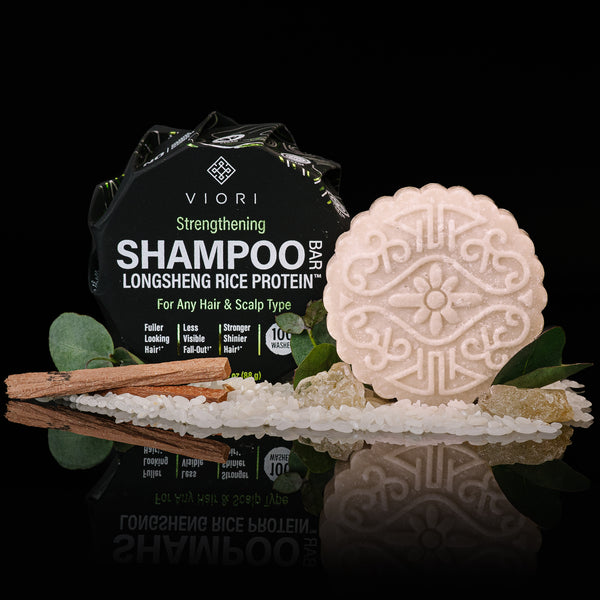
One of the reasons I pay attention to formulas like Viori is that they’re designed to be pH balanced. That matters for cuticle behavior, smoothness, and long-term manageability-especially if you’re already anxious about shedding.
When “Too Clean” Backfires: Scalp Balance vs. Over-Stripping
People with shedding concerns often chase the cleanest possible feeling, but an overly stripped scalp can become itchy and reactive-then you scratch, the barrier gets stressed, and the scalp becomes less stable. That’s not the direction you want to go if you’re trying to calm shedding patterns.
Viori uses sodium cocoyl isethionate (SCI) as its cleanser, which is known in formulation circles as a milder cleansing option. In plain terms, that usually means you can cleanse effectively without constantly pushing your scalp into that tight, squeaky, over-cleansed territory.
Slip Is Not Cosmetic-It’s Mechanical Protection
If there’s one thing I wish everyone understood, it’s that conditioner isn’t just about softness. It’s about reducing the amount of force it takes to get a comb (or your fingers) through your hair.
Viori’s conditioner bars include behentrimonium methosulfate (BTMS), a conditioning ingredient that improves slip and helps the hair feel smoother. Less friction while detangling often means fewer hairs pulled loose during wash day and far less breakage over time.
The Bar Shampoo Mistake That Can Make Shedding Look Worse
This is important: if you rub a shampoo bar directly on your hair or scalp, you can create extra friction. That friction can roughen the cuticle, encourage tangling, and make detangling feel more aggressive than it needs to be.
Viori actually gives a simple, smart workaround-especially if your hair is color-treated or more delicate.
- Wet your hair thoroughly.
- Lather the bar in your hands instead of dragging it along the hair.
- Apply the lather with your fingertips, focusing on the scalp.
- Let the suds rinse through the lengths rather than scrubbing the ends together.
This approach lowers friction where it matters most and reduces the “tangle factor” that makes shedding look dramatic.
Rice Water, Protein, and the Hair-Fall Confusion
“Hair fall” gets used as a catch-all phrase, but it helps to separate two goals:
- Reducing breakage is about strengthening and protecting the strand.
- Managing shedding is about scalp comfort, inflammation control, and gentle handling so you’re not yanking loose what was already ready to release.
Viori uses Longsheng fermented rice water and hydrolyzed rice protein in a measured, scalp-friendly way. The brand also notes that very high concentrations of rice water used too often can disrupt pH, which is a real concern for some people. A pH-respectful approach tends to be a better long game for both scalp and hair feel.
Pick Your Viori Bar Like a Pro: Start With Scalp Type
Most people shop shampoo for their hair length or texture, but the scalp is where the wash routine actually begins. Viori keeps this part refreshingly practical.
WHAT CUSTOMERS ARE SAYING
Real reviews for Rice Water Shampoo Bar – All Hair Types | VIORI
- If your scalp feels oily 1-2 days after washing, you likely lean oily.
- If it feels oily around day 3, you likely lean normal.
- If you can go 4+ days before feeling oily, you likely lean dry.
From there, Viori’s general recommendations are:
- Citrus Yao: often recommended for normal-to-oily scalps (it’s frequently chosen when oil control is the priority).
- Terrace Garden, Hidden Waterfall, or Native Essence: often recommended for normal-to-dry scalps.
- Native Essence: the unscented option, commonly favored for fragrance sensitivity or very reactive scalps.
And if you’re oily at the scalp but dry at the ends (very common), many people do well using a more clarifying approach at the scalp and a more moisturizing approach on the ends.
A “Low-Shed” Wash Routine You Can Actually Stick To
If your goal is less hair in the drain, don’t just change products-change the mechanics.
- Wash the scalp, not the lengths. Your scalp needs cleansing; your ends need preservation.
- Use low-friction technique. Lather in hands, apply lather, avoid aggressive scrubbing of the ends.
- Condition every time. Slip reduces detangling force, and detangling force is where a lot of “wash-day loss” comes from.
- Rinse thoroughly. Residue can make hair feel tacky and snaggy later, which increases pulling.
- Give it time. Viori recommends allowing 2-3 months to evaluate results, which matches what I see in real hair/scalp adjustment patterns.
When It’s Bigger Than Shampoo
If shedding is sudden, heavy, or persistent-or you notice widening parts, patchy loss, or scalp pain-shampoo alone isn’t the right tool. A gentle, pH-balanced routine can support your scalp and reduce breakage, but significant shedding changes can also be tied to stress, illness, hormones, medications, or nutritional shifts. In those cases, it’s worth seeking professional guidance.
The Takeaway
Most of the time, “falling hair shampoo” isn’t about a product causing hair loss. It’s about a product (or technique) changing friction, cuticle behavior, and scalp comfort-which changes how much hair you see release during wash day.
If you want the most reliable path to seeing less hair in the drain, think like a stylist: stabilize the scalp, keep pH in a healthy range, reduce friction, and make detangling effortless. Used with the right technique, Viori’s pH-balanced bars and conditioning-focused approach fit beautifully into that plan.


