
If you’ve found yourself searching “asience shampoo”, you’re probably not just looking for a bottle of shampoo-you’re chasing a very specific result. You know the one: hair that feels squeaky-clean but somehow still soft, smoother in humidity, less tangly, shinier, and easier to style without feeling coated.
What’s rarely explained (and what actually makes the difference) is that this “silky shampoo” experience is mostly a matter of surface chemistry. Not hype. Not one miracle ingredient. It comes down to how a formula cleans, how it conditions while cleansing, and whether it keeps the hair cuticle calm instead of constantly prying it open.
What people are really asking when they search “asience shampoo”
In the salon, I’d translate that search into a few common requests: “I want sleek hair, but not flat.” “I want clean roots, but no frizzy ends.” “I want shine, but I hate buildup.”
NOT SURE WHICH PRODUCT IS RIGHT FOR YOU?
TAKE THE QUIZTakes 30 seconds · 134,000+ customers matched
Those goals sound simple, but they’re actually a balancing act between four levers that control how your hair feels after washing.
The four levers behind that smooth, glossy finish
- Cleansing strength vs. cuticle lift: A cleanser doesn’t just remove oil-it can also cause the cuticle to swell and lift. The more lifted the cuticle stays, the rougher and frizzier hair tends to feel.
- Cationic deposition: Hair-especially damaged or porous hair-often carries a more negative charge. Positively charged conditioning agents are attracted to that, helping reduce static, friction, and tangling.
- Film formation: That “glossy slip” is often a micro-thin layer left behind to smooth rough spots and fill porosity. Done well, it looks shiny and feels silky. Done poorly, it can feel heavy.
- pH discipline: Keeping products in a hair-friendly pH range helps the cuticle lie flatter, which directly impacts shine, softness, and frizz.
The pH piece most blogs skip (and why it changes everything)
If there’s one “pro” concept I wish everyone understood, it’s this: pH heavily influences the cuticle. When the cuticle stays flatter, you typically get more shine and less frizz because the hair fiber reflects light better and creates less friction strand-to-strand.
Viori calls out that its bars are pH balanced, and that matters more than people realize. When hair products drift too alkaline, hair can start to feel chronically rough over time-especially if you heat-style, color, or already have higher porosity.
Why some shampoos feel “conditioner-like” (without being greasy)
Here’s a behind-the-chair truth: that plush, slippery feel doesn’t always come from “more moisture.” It often comes from reducing friction and neutralizing charge on the hair surface.
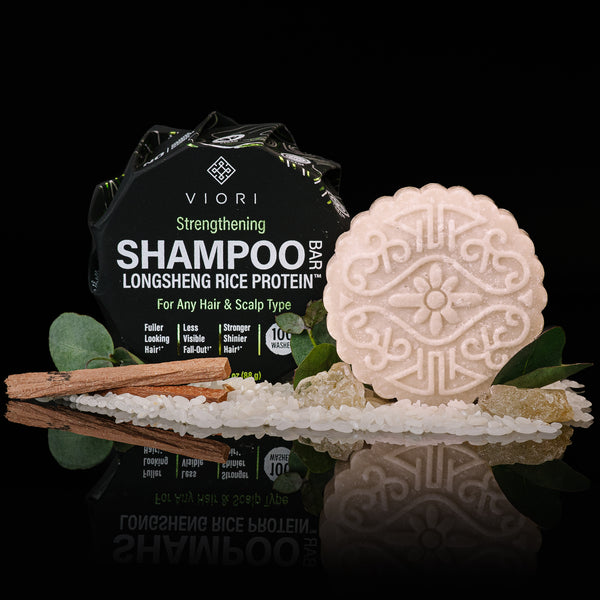
Viori’s shampoo bars use Sodium Cocoyl Isethionate (SCI) as the cleanser-known for being a mild, creamy-lathering surfactant. And Viori includes Behentrimonium Methosulfate, a conditioning agent used to improve slip and manageability. (The name sounds intimidating, but in haircare it’s commonly used for conditioning performance and is not the same thing as harsh cleansing sulfates.)
When you pair a gentle cleanser with controlled conditioning deposition and a balanced pH, you can get that “clean but soft” finish people describe as silky-without the limp, coated after-feel.
Rice water isn’t magic-concentration and fermentation are the real story
Rice-water haircare is one of those trends that can be amazing or a mess, depending on how it’s done. The biggest issue with DIY or heavy use is that high concentrations used too often can disrupt how your hair and scalp behave-especially if the pH isn’t in a happy range.
Viori addresses this in a way I consider more realistic for day-to-day routines: it uses a lower concentration of fermented Longsheng rice water because overly strong rice-water use can be too much for frequent washing. The goal is to support the hair consistently, not overwhelm it.
Fermentation is also key because it can increase compounds like inositol (vitamin B8) and panthenol (vitamin B5), which are often used in haircare for resilience, flexibility, and a healthier feel over time. Viori also includes hydrolyzed rice protein, which can help hair feel stronger and look fuller-especially when the strand has been stressed by heat, color, or mechanical wear.
A surprisingly important detail: scent can influence performance
Most people choose scent purely for enjoyment, but there’s an under-discussed nuance: sometimes the scent profile aligns with functional behavior.
Viori is unusually transparent about this. While the base approach is consistent, certain options can behave differently for different scalp types. A great example is Citrus Yao, which contains citric acid-helpful for breaking down excess oil. That’s why it’s often recommended for normal-to-oily scalps and for people trying to extend time between washes.
How to choose the right Viori bar for that smooth, polished result
If you want hair that feels sleek without residue, start where your hair actually begins: your scalp. Your scalp’s oil pattern is the foundation of your wash routine.
Quick scalp-type check
- Oily scalp: feels oily 1-2 days after washing
- Normal scalp: feels oily around day 3
- Dry scalp: feels oily day 4+
Matching Viori options to common needs
- Normal to oily scalp: start with Citrus Yao for a cleaner, oil-balanced feel
- Dry to normal scalp: consider Terrace Garden, Hidden Waterfall, or Native Essence
- Sensitive or fragrance-reactive scalp: Native Essence (unscented) is typically the gentlest choice
The “combo hair” strategy (oily roots, dry ends)
This is one of the most common hair types I see-and it’s where people get stuck in a loop of over-cleansing or over-conditioning.
WHAT CUSTOMERS ARE SAYING
Real reviews for Rice Water Shampoo Bar – All Hair Types | VIORI
A smarter approach is to treat scalp and lengths like two different materials:
- Use Citrus Yao shampoo mainly at the scalp where oil builds up
- Use a more moisturizing Viori conditioner through mid-lengths and ends (for many, Terrace Garden, Hidden Waterfall, or Native Essence works well)
Technique matters more than you think-especially with bars
Bars are fantastic, but they introduce one variable that liquid users don’t always consider: friction. Too much rubbing can rough up the cuticle, which can lead to more frizz and tangling-and for some color-treated hair types, it can contribute to faster fading.
A smoother, color-friendlier way to wash with a bar
- Create lather in your hands first (instead of scrubbing the bar directly on your hair).
- Apply the lather with your fingertips, focusing on the scalp.
- Let the suds rinse through the lengths rather than aggressively “washing” the ends.
- Condition from mid-lengths to ends, then let it sit a few minutes before rinsing.
What results should you expect-and when?
Some people notice a difference immediately, especially in softness and shine. For others, it can take time-because your hair and scalp are adjusting, shedding old buildup patterns, and responding to more consistent pH-balanced care. Viori often recommends giving a routine 2-3 months before deciding, and from a stylist perspective, that’s a fair window for evaluating long-term feel and manageability.
The takeaway
The “asience shampoo” search is really a search for friction control, cuticle calm, and clean shine. The best path there isn’t chasing a buzzword-it’s choosing a routine built around gentle cleansing, smart conditioning deposition, and pH balance.
Viori’s approach-pH-balanced bars, mild cleansing with SCI, conditioning support for slip, and fermented Longsheng rice water components-targets the exact mechanics behind that polished, silky finish people want. Once you understand those mechanics, your results stop feeling random and start feeling repeatable.


