
After two decades of styling hair, testing products, and watching the beauty industry evolve, I've developed a healthy skepticism toward "revolutionary" products. But when I first tried a quality shampoo bar three years ago, I knew this wasn't just another trend-it was a genuine game-changer with fascinating science behind it.
Let me take you behind the beauty counter to reveal what's really happening when you swap that plastic bottle for a solid bar.
Beyond the Eco-Friendly Packaging
When clients ask me about shampoo bars, they're typically focused on eliminating plastic waste. While that's certainly worthwhile, there's a more fascinating transformation happening at the molecular level that directly impacts hair health.
NOT SURE WHICH PRODUCT IS RIGHT FOR YOU?
TAKE THE QUIZTakes 30 seconds · 134,000+ customers matched
Here's the truth that surprised even me: traditional liquid shampoos are predominantly water-up to 95%! This water isn't cleaning your hair; it's simply diluting and carrying the active ingredients. Shampoo bars eliminate this unnecessary dilution, creating a concentrated product where every ingredient must earn its place in the formula.
Think of it like the difference between freshly-squeezed orange juice and frozen concentrate. One delivers all the nutrients in a compact form, while the other is mostly water. Your hair care deserves that same concentration of goodness!
The pH Revolution Your Scalp Has Been Waiting For
I've watched countless clients struggle with persistent scalp issues despite using expensive liquid shampoos. The transformation many experience after switching to quality bars isn't magic-it's chemistry.
Your scalp naturally maintains a slightly acidic environment (around 4.5-5.5 pH), which keeps your cuticles smooth and your scalp microbiome balanced. Many liquid shampoos drift toward alkalinity over time as water interacts with the ingredients, disrupting this delicate balance.
Quality shampoo bars maintain pH stability better because they lack water as a reactive medium. When I recommend bars to clients with sensitive scalps, I specifically look for products formulated to maintain that critical 4.5-5.5 pH range. The results? Reduced flaking, less irritation, and hair that finally looks the way it should.
The Gentle Art of Cleansing
The physical action of using a shampoo bar creates a fundamentally different cleansing experience. When you glide a bar across wet hair, there's a controlled release of surfactants through friction. This creates a more measured interaction with your hair's cuticle layer compared to liquid products that deliver all their cleansing agents at once.
This mechanical difference explains why many of my curly-haired clients report significantly reduced frizz after making the switch. The cuticle isn't being aggressively lifted and potentially damaged with each wash.
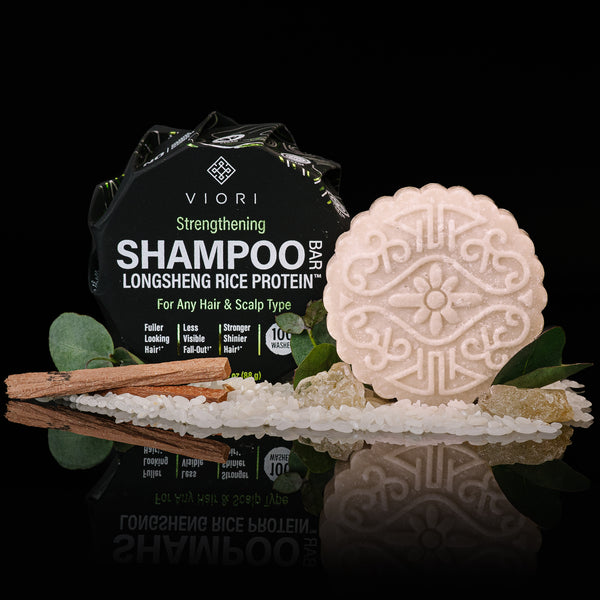
Modern shampoo bars often feature gentler surfactants like Sodium Cocoyl Isethionate (SCI) derived from coconut oil. Don't let the chemical name scare you-this ingredient provides effective cleansing without the harsh stripping action of traditional sulfates.
Ancient Wisdom Meets Modern Formulation
The most sophisticated shampoo bars tap into centuries-old hair care traditions while enhancing them with modern formulation science.
One fascinating example comes from traditional Asian hair care practices. For generations, women in rice-farming regions have used fermented rice water to strengthen and beautify hair. Modern research confirms what tradition knew all along-the fermentation process creates compounds like inositol that penetrate the hair shaft and improve elasticity.
In a solid shampoo bar, these beneficial compounds remain stable until activated by water during your shower-essentially creating a time-release system that preserves potency until the moment of use.
The Formulation Masterpiece
Creating an effective shampoo bar requires completely rethinking hair care chemistry. You can't simply remove water from a liquid formula and expect magic to happen.
Traditional soap bars use lye (sodium hydroxide) as a binding agent, which would be disastrous for hair-far too alkaline and stripping. Instead, sophisticated shampoo bars utilize plant-derived ingredients like cetyl alcohol and stearic acid that perform double-duty:
- Providing structural integrity to maintain the bar's shape
- Delivering conditioning benefits when activated with water
- Creating a stable environment for active ingredients
- Supporting the proper pH balance
This multifunctional approach represents impressive formulation expertise that deserves recognition beyond simple "natural" marketing claims.
Environmental Benefits You Might Not Have Considered
While reducing plastic waste is certainly important, the environmental advantages extend much further:
WHAT CUSTOMERS ARE SAYING
Real reviews for Rice Water Shampoo Bar – All Hair Types | VIORI
- Reduced shipping weight: By eliminating water, these concentrated products weigh approximately 80% less than traditional shampoo, significantly lowering transportation-related carbon emissions.
- Fewer preservatives needed: Microbes require water to thrive, so water-free formulations need fewer synthetic preservatives-better for both environmental and scalp health.
- Extended product life: A quality shampoo bar typically outlasts 2-3 bottles of liquid shampoo, reducing overall resource consumption.
The most thoughtful brands take sustainability even further by supporting traditional farming communities and sustainable agricultural practices. This creates a beautiful full-circle moment where caring for your hair also means caring for our planet and its people.
The Future of Solid Hair Care
Having witnessed countless beauty "revolutions" come and go, I'm convinced solid hair care is here to stay-and evolve. Current research is exploring solid-state encapsulation techniques that can deliver targeted ingredients for specific hair concerns.
I anticipate we'll soon see customizable options addressing individual needs, from dandruff control to color protection, all in solid form. Some innovative brands are also developing concentrated solid pods that can be reconstituted at home, combining the best of both worlds.
Making the Switch: A Stylist's Recommendations
After guiding hundreds of clients through this transition, I've developed a simple approach to finding the perfect bar for your hair type:
- Look beyond "plastic-free": While environmental benefits are important, prioritize products that advertise their pH level (ideally between 4.5-5.5).
- Check the surfactants: Gentle options like SCI or SCS will clean effectively without stripping natural oils.
- Consider conditioning agents: Ingredients like cocoa butter, shea butter, or plant oils provide moisture appropriate for your hair type.
- Be patient during transition: Some clients experience an adjustment period as hair adapts to more balanced cleansing.
The perfect shampoo bar should transform into a rich, balanced lather upon contact with water while leaving your hair feeling nourished rather than stripped. Your fingers should glide through wet hair easily after rinsing.
Have you made the switch to solid hair care? I'd love to hear about your experience in the comments! And if you've struggled to find the right product, share your hair type-I'm happy to offer personalized recommendations based on two decades of hands-on experience.


