
We've all seen them - those beautiful, earthy shampoo bars wrapped in brown paper, promising 100% natural ingredients and life-changing hair transformations. But here's something most brands won't tell you: that "natural" claim isn't exactly what it seems.
NOT SURE WHICH PRODUCT IS RIGHT FOR YOU?
TAKE THE QUIZTakes 30 seconds · 134,000+ customers matched
After 20 years behind the chair and testing hundreds of products, I've learned that true 100% natural shampoo bars simply don't exist in the commercial market. Not even from your favorite eco-conscious brands. The truth is more complicated - and frankly, more interesting.
The Dirty Little Secret of "Natural" Labels
The beauty industry plays fast and loose with the word "natural" because:
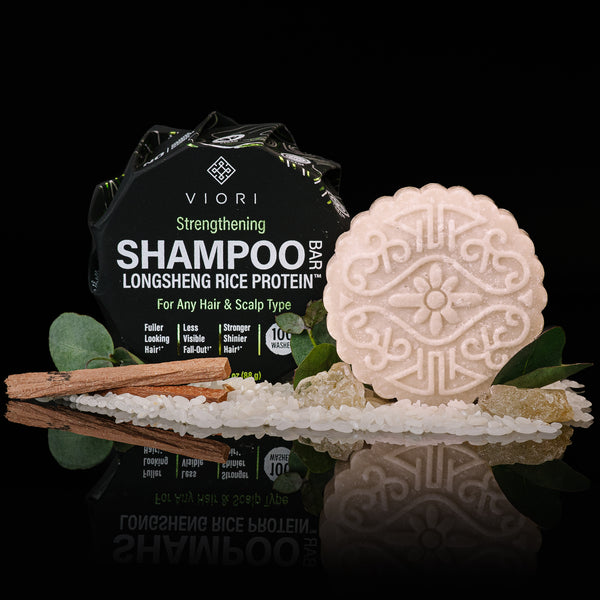
- No legal definition exists for "natural" in cosmetics
- Processing methods aren't considered in labeling
- Even plant-derived ingredients undergo chemical transformations
What Really Goes Into Your "Natural" Shampoo Bar
Let's break down the common ingredients that challenge the natural claim:
- Surfactants - Even coconut-derived cleansers require heavy processing
- Preservatives - Necessary for shelf stability (no one wants a moldy shampoo)
- Fragrances - Often lab-created "nature-identical" compounds
The Fermentation Facade
Many brands tout fermented ingredients like rice water as their natural claim to fame. While fermentation is indeed an ancient practice, commercial production requires:
- pH adjusters (like lactic acid)
- Stabilizers to prevent spoilage
- Processing aids to maintain consistency
This doesn't mean these products are bad - in fact, many are excellent alternatives to conventional shampoos. But we need to have honest conversations about what "natural" really means in modern haircare.
WHAT CUSTOMERS ARE SAYING
Real reviews for Rice Water Shampoo Bar – All Hair Types | VIORI
How to Be a Savvy Shampoo Bar Shopper
Instead of chasing the impossible 100% natural dream, focus on these realistic criteria:
- Transparency - Does the brand explain their processing methods?
- Performance - Does it actually work for your hair type?
- Sustainability - Is the packaging truly eco-friendly?
- Ingredient integrity - Are processing methods minimally invasive?
The healthiest approach isn't purity obsession, but informed compromise. The best shampoo bar for you balances cleanliness with performance - not marketing claims with wishful thinking.


