
A shampoo disc seems straightforward: it’s shampoo, just solid. But in the chair, I’ve watched people switch to a disc and have two wildly different experiences-someone gets bouncy, shiny hair on day one, while someone else walks away convinced it “doesn’t lather” or leaves their hair feeling oddly coated.
The missing piece isn’t hype or user error. It’s chemistry plus mechanics. A shampoo disc is essentially a concentrated cleansing system that comes to life when you add water and friction. That means your technique, your water, your porosity, and even the way the disc fits in your hand can change the outcome.
And there’s one angle I almost never see discussed online: the geometry of a shampoo disc changes friction-and friction is one of the biggest drivers of cuticle roughness, tangling, and breakage over time.
NOT SURE WHICH PRODUCT IS RIGHT FOR YOU?
TAKE THE QUIZTakes 30 seconds · 134,000+ customers matched
What a Shampoo Disc Really Is (In Plain English, With the Science Intact)
Most liquid shampoos are pre-diluted. A shampoo disc isn’t. It’s more like a “just-add-water” concentrate: the cleansing agents are suspended in a solid base until your shower hydrates the surface and your hands create lather.
That’s why discs can feel so efficient. You’re not paying for a bottle filled mostly with water-you’re using a compact format that releases product as needed.
Why “Solid” Doesn’t Automatically Mean “Gentle”
People often assume a disc must be milder simply because it’s solid. In reality, gentleness depends on things like surfactant choice, pH balance, and how concentrated the cleanser is at the moment it hits your hair.
Viori bars are formulated to be pH balanced, which matters because hair generally performs best in a mildly acidic range. When a cleanser runs too alkaline, the cuticle tends to lift more, which can translate to roughness, frizz, and that “squeaky” feeling nobody wants.
The Part Nobody Talks About: Shape = Friction = Cuticle Stress
Here’s the quiet truth: when you rub a shampoo disc directly on your hair, you’re increasing mechanical friction. Friction can be helpful (it distributes cleanser), but too much or in the wrong area can be a problem-especially on fragile lengths.
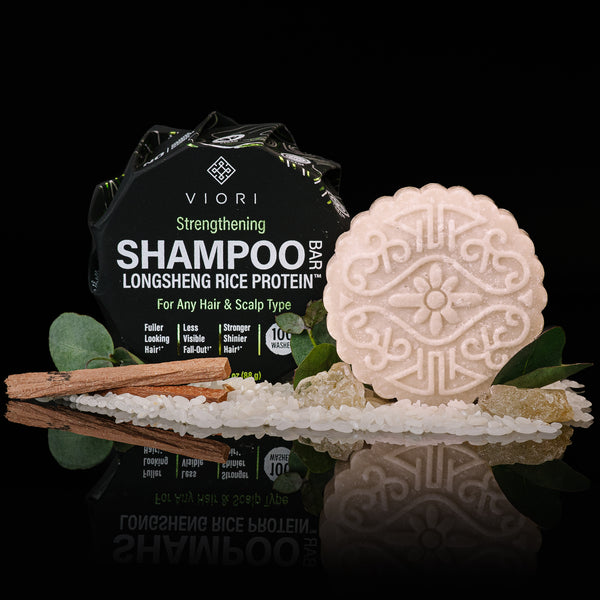
On a microscopic level, hair is covered in overlapping cuticle “shingles.” When friction is high, those shingles can catch, lift, and wear down. This is why some people notice more tangling or dryness after switching formats-even if the formula itself is solid.
Color-Treated Hair: Where Technique Matters Most
If your hair is color-treated, bleached, or chemically processed, your cuticle is usually more vulnerable. That’s why Viori recommends a method I also stand behind professionally: build lather in your palms and apply with your hands rather than scrubbing the bar directly on your head. It’s a simple change that can reduce abrasion and help preserve the feel (and longevity) of your color.
Why Shampoo Discs Lather Differently (and Sometimes “Inconsistently”)
Foam is not cleansing, but it’s a feedback signal. With discs, the foam signal can be confusing because you’re generating lather on the spot, not squeezing it out pre-made.
- You didn’t give it a second to hydrate: Solid formats often need a quick “bloom” moment-just a few seconds of water contact-before they glide and lather easily.
- Your water is hard: Minerals like calcium and magnesium can interfere with foam and affect rinse feel. Hard water can make a disc feel less “sudsy” and sometimes harder to rinse cleanly.
- Your hair had a heavy soil load: Oil, sweat, and styling product residue can “use up” surfactant on the first cleanse. The second cleanse often foams more-totally normal.
Why a Disc Can Feel Like It’s Doing Two Jobs at Once
Many solid shampoos are built with more than just cleansers. They often include ingredients designed to improve slip and softness during the wash, which helps reduce tangling and drag.
Viori’s formula includes behentrimonium methosulfate, a conditioning ingredient used widely for manageability. A quick clarification that matters: despite the word “methosulfate,” this ingredient is not the same thing as harsh “sulfate” cleansers people try to avoid. In conditioning systems, it’s valued because it can improve glide and support a smoother feel through the hair.
One subtle (but important) detail: with a disc, your routine creates a kind of “sequence.” Early on, you’ll feel more cleansing action; as the lather dilutes and spreads, you may notice more of that softening, conditioning effect-especially if you take time to emulsify.
Porosity: The Real Reason One Person Loves a Disc and Another Person Quits
Porosity is your hair’s ability to absorb and hold moisture. It also predicts how your hair will respond to concentrated formats like discs.
- Low porosity hair tends to resist penetration and can be more prone to buildup. It often does best with lighter routines and careful dosing.
- High porosity hair absorbs quickly but loses moisture easily. It typically thrives with gentle cleansing and consistent conditioning support.
If a shampoo disc ever feels “too much” (coated, heavy, or draggy), it’s often not that the disc is bad-it’s that the dose or deposit is mismatched to your porosity, water, or technique.
WHAT CUSTOMERS ARE SAYING
Real reviews for Rice Water Shampoo Bar – All Hair Types | VIORI
The Scalp Balance Trap: Dose vs. Frequency
Here’s a surprisingly common scenario: someone keeps the same wash schedule-say, every other day-but switches to a disc and unknowingly doubles their cleansing dose because they rub longer, reload more often, or apply directly to the scalp repeatedly.
That can shift scalp comfort in either direction. Some people feel cleaner longer; others trigger dryness or oil rebound. Viori notes that results vary and can take time-often it’s worth giving a consistent routine a fair window (many people assess changes over a couple of months rather than two washes).
The Stylist’s Protocol: How to Use a Shampoo Disc for Your Best Results
If you want the “salon-clean” outcome without the roughness, this method is the sweet spot for most hair types.
- Soak hair thoroughly: Give your hair 30-60 seconds to fully saturate. This improves slip and distribution.
- Emulsify in your hands: Wet the disc, rub between palms, and build lather before it touches your hair.
- Focus on the scalp: Massage with fingertips where oil and buildup live. Let the suds rinse through your lengths.
- Rinse longer than you think you need: Especially if your water is hard or your hair is fine.
- Condition on purpose: Shampoo removes sebum; conditioner helps restore slip and protection. Viori strongly recommends using conditioner after shampoo for this reason.
- Store it dry: Keep your bar out of standing water and allow airflow between uses so it lasts longer and performs better.
Quick Troubleshooting: What Your Hair Is Telling You
If your hair feels waxy or coated
- Likely culprits: hard water, over-applying, not rinsing long enough, low porosity buildup
- Try this: use less product, emulsify longer in palms, rinse longer, focus cleansing at the scalp only
If your hair feels squeaky, rough, or tangly
- Likely culprits: too much direct rubbing, high porosity/damaged hair needing more conditioning support, cleanser too concentrated at contact
- Try this: stop scrubbing the lengths, switch to palm-lather application, let conditioner sit a few minutes before rinsing
If you feel like it “doesn’t lather”
- Likely culprits: hard water, not enough wetting time, heavy oil or styling residue
- Try this: pre-wet longer, cleanse twice, emulsify longer before applying
Bottom Line: A Shampoo Disc Is a Hands-Controlled Dilution System
A shampoo disc can be an amazing upgrade-less waste, efficient use, and a simplified routine. But it’s also more interactive than a bottle. You control the dilution, the distribution, and the friction, and those details are exactly what decide whether your hair feels light and glossy or weighed down and rough.
If you’re using Viori and want to fine-tune your results, start with the simplest win: lather in your hands, focus on the scalp, rinse well, and always follow with conditioner. Those four steps solve the majority of “I wanted to love this, but…” moments I see in real life.


