
Twenty years ago, fresh out of beauty school, I thought I knew everything about hair care. I was wrong. Dead wrong. The real education started when I began questioning why certain formulations worked miracles while others just... didn't.
Here's something that'll surprise you: one of the most scientifically sophisticated scalp treatments you can use comes in the form of a simple bar soap. Rice bran oil infused with orange and tangerine. Sounds almost rustic, doesn't it? Like something your grandmother might have kept by her kitchen sink.
But let me tell you what's actually happening on your scalp when you use this combination. Because once you understand the chemistry, you'll never look at your hair care routine the same way again.
The Rice Bran Oil Revelation
First, let's talk about what rice bran oil actually is. When rice gets milled-that process that turns brown rice into white rice-there's this outer layer that gets removed. For decades, it was basically treated as waste. Maybe fed to livestock. Maybe composted.
Then someone had the bright idea to extract the oil from it. And that's when things got interesting.
The fatty acid profile in rice bran oil reads like a carefully engineered formula, except nature did all the work:
- Oleic acid (38-48%): This omega-9 fatty acid acts like a delivery system, helping beneficial compounds actually penetrate your skin instead of just sitting on top of it
- Linoleic acid (16-36%): An essential omega-6 that reinforces your skin's protective barrier-the thing that keeps moisture in and irritants out
- Palmitic acid (12-18%): Provides natural antimicrobial properties while giving soap bars their structure
But here's where it gets really fascinating. Rice bran oil contains something called gamma-oryzanol. Stay with me here-I promise this matters for your hair.
NOT SURE WHICH PRODUCT IS RIGHT FOR YOU?
TAKE THE QUIZTakes 30 seconds · 134,000+ customers matched
Gamma-oryzanol makes up only about 1-2% of the oil, but it punches way above its weight class. It offers natural UV protection for your scalp, fights inflammation at the cellular level, and in some studies has actually outperformed vitamin E as an antioxidant. That's not marketing speak. That's peer-reviewed research.
Why This Makes Better Soap
When rice bran oil goes through saponification-that's the chemical reaction that turns oils into soap-something remarkable happens. The oil's properties create a bar that's firm without being brittle, produces a creamy lather without stripping your skin, and maintains conditioning properties even after the soap-making process.
I've seen countless clients switch from commercial shampoos to rice bran oil-based bars and watch their scalp health transform over six to eight weeks. The difference isn't subtle. We're talking about people who've struggled with oily roots for years suddenly able to go three days between washes instead of daily.
The Citrus Component Nobody Understands
When I tell clients their orange-scented soap is doing more than just smelling nice, I usually get skeptical looks. Fair enough. The beauty industry has conditioned us to think "aromatherapeutic" means "smells good but doesn't actually do anything."
But citrus essential oils in hair care formulations are working overtime.
The star player is d-limonene, which makes up about 90-95% of citrus peel oil. Here's what it's actually doing on your scalp:
- Acting as a natural solvent that breaks down sebum (scalp oil) without the harsh chemical surfactants found in typical shampoos
- Fighting the specific yeast species-Malassezia-that causes most dandruff
- Temporarily increasing skin permeability, which allows those beneficial rice bran oil compounds to penetrate deeper
Then there's citral, which makes up 3-5% of tangerine oil. It brings anti-inflammatory effects and works synergistically with limonene to amp up the antimicrobial properties. It also has natural chelating properties, which basically means it softens hard water minerals that can build up on your hair.
The pH Secret That Changes Everything
Here's something most people don't know about their scalp: it has an ideal pH range of about 4.5 to 5.5. That's slightly acidic. Your scalp functions best in that range-the protective barrier works better, beneficial bacteria thrive, and harmful organisms struggle to colonize.
Regular soap is alkaline during use, usually sitting around pH 8-10. That's fine for cleaning, but it temporarily disrupts your scalp's pH balance. Your skin will restore that balance eventually, but the longer it takes, the more opportunity there is for problems.
This is where the citrus component becomes genius-level formulation work. Citrus fruits naturally contain citric acid. In a well-made bar, that residual citric acid helps your scalp restore its optimal pH much faster than it would with a non-citrus formulation.
The result? Your hair cuticle closes faster (reducing damage), your scalp's defenses come back online quicker, and if you color your hair, the integrity of that color is better preserved. You might think that fresh, clean feeling after washing with citrus soap is just psychological. It's not. It's your scalp chemistry being restored to its ideal state.
Why This Combination Fixes Oily Scalp Issues
If you have an oily scalp, you probably know this cycle intimately: you wash with a clarifying shampoo, your scalp feels squeaky clean (and maybe a little tight), and then by the next day-or worse, by that evening-you're oily again. Maybe oilier than before.
Here's what's happening. When you strip your scalp with harsh cleansers, your sebaceous glands panic. They're designed to keep your skin protected and moisturized, so when they detect that everything's been stripped away, they kick into overdrive to compensate. You end up in this frustrating cycle of over-cleansing and over-producing oil.
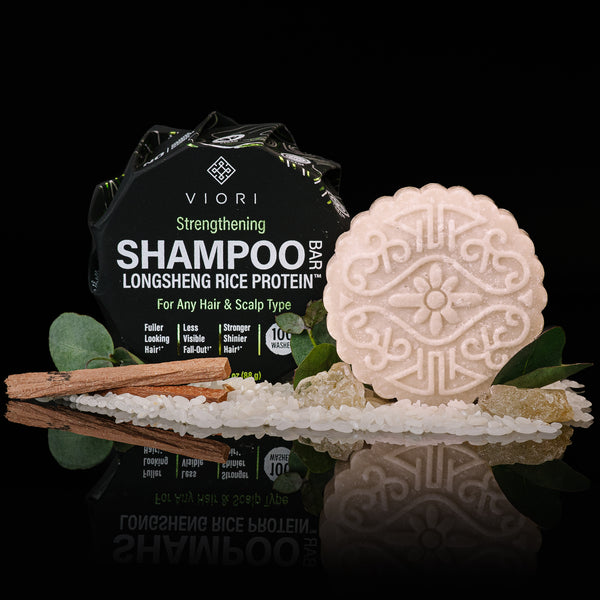
The rice bran oil and citrus approach works differently. I call it the paradoxical cleansing effect:
- Limonene efficiently breaks down and removes excess surface sebum-the oil that's actually making you look greasy
- Rice bran oil's linoleic acid sends a signal to your sebaceous glands. Research suggests that linoleic acid deficiency actually triggers increased sebum production, so providing it helps restore balance
- Your scalp achieves homeostasis-a balanced state-instead of yo-yoing between stripped and oily
In my salon practice, I've watched this play out dozens of times. Clients who switch to citrus-rice formulations can typically extend their wash cycles by 30-50% within six to eight weeks. That's not because the product is somehow "hiding" oil or absorbing it. It's because their scalp is genuinely regulating sebum production better.
Why You Don't See This Combination Everywhere
If this formulation is so effective, why isn't every brand making it? Good question. The answer comes down to formulation challenges that require real expertise to solve.
The Technical Problems
Rice bran oil has moderate oxidative stability, which is a fancy way of saying it can eventually go rancid if not properly formulated. Limonene is notoriously unstable-it can oxidize and form compounds that some people find irritating. Combining these two ingredients requires a robust antioxidant system and careful attention to how the product is stored and packaged.
Citrus oils are what perfumers call "top notes." They're highly volatile, meaning they evaporate easily. In solid bars, these oils can migrate or evaporate during storage if the formulation isn't done right. Quality manufacturers use techniques like binding the oils with clay minerals to prevent this.
Then there's water activity. Solid bars need low water activity to prevent bacterial and mold growth, but citrus components can increase water activity if they're not properly integrated. This is why some citrus bars develop that sticky, "sweating" texture that's honestly kind of gross.
When you find a citrus-rice bran oil bar that doesn't have these problems-that stays firm, smells consistently fresh, and doesn't weep or get sticky-you know you're dealing with a manufacturer who understands formulation chemistry, not just marketing trends.
How Rice Bran Oil Stacks Up
Let me give you the professional comparison I use when I'm evaluating formulations. This is the kind of information I wish someone had given me twenty years ago:
Rice Bran Oil vs. Other Carrier Oils:
- Comedogenicity: Rice bran oil rates a 2 out of 5 (moderate-low), same as olive oil, but better than coconut oil's 4 rating. Lower is better-it means less likely to clog pores.
- Fatty acid balance: Rice bran oil has an optimal omega-6 to omega-9 ratio. Olive oil is heavy in omega-9, which can feel too heavy. Coconut oil is primarily medium-chain fatty acids, which can strip natural oils.
- Bar characteristics: Rice bran oil produces a medium-hard bar with creamy lather. Olive oil makes a softer bar with low lather. Coconut oil creates very hard bars with lots of lather but can be drying.
- Antioxidants: Rice bran oil's gamma-oryzanol gives it high antioxidant content, similar to olive oil's polyphenols, but much better than coconut oil's low antioxidant profile.
For a citrus-infused bar intended for oily scalp types, rice bran oil hits the sweet spot. It cleanses effectively without the harshness of coconut-dominant formulations or the heaviness of olive oil bases.
The Scalp Microbiome Revolution
Here's something that's revolutionizing how we think about scalp care: your scalp isn't meant to be sterile. It's home to an entire ecosystem of microorganisms, and a healthy scalp means having the right balance of these organisms, not eliminating them entirely.
Recent dermatological research has shown that limonene has selective antimicrobial action. It's preferentially active against pathogenic species like Malassezia (the bad guys that cause dandruff), while showing minimal impact on beneficial bacteria like Cutibacterium and Staphyococcus epidermidis (the good guys that help protect your scalp).
Meanwhile, rice bran oil's ferulic acid content supports a balanced microbial environment, and rice-derived compounds may even serve as nutrients for beneficial microbes.
This represents a paradigm shift in scalp care-from "sterilize everything" to "cultivate a healthy ecosystem." Traditional dandruff treatments with zinc pyrithione or ketoconazole can't achieve this selective action. They're more like dropping a bomb on your scalp microbiome, eliminating beneficial and harmful organisms indiscriminately.
Technique Matters More Than You Think
After twenty years of watching clients use products incorrectly, I can tell you that how you apply something often matters as much as what you're applying. Here's my professional protocol for getting the most out of citrus-rice bran oil bars:
Step 1: Pre-Wet Properly
Let your hair fully saturate with water for two to three minutes before applying any product. This allows the hair shaft to reach about 30% moisture saturation, which significantly reduces friction damage during cleansing. I know it seems like you're wasting time, but you're actually protecting your hair.
Step 2: Lather in Your Hands First
Create lather in your hands, then apply to your scalp with your fingertips. Don't rub the bar directly on your hair. Direct bar-to-hair contact creates excessive friction on the cuticle layer, leads to uneven product distribution, and wears down your bar faster. It's a lose-lose-lose situation.
Step 3: Give It Contact Time
Allow 60 to 90 seconds of scalp contact before rinsing. This isn't a race. You're giving the limonene time to emulsify sebum, allowing rice bran oil derivatives to interact with your sebaceous secretions, and letting pH buffering compounds do their work.
WHAT CUSTOMERS ARE SAYING
Real reviews for Rice Water Shampoo Bar – All Hair Types | VIORI
Step 4: Temperature-Controlled Rinse
Finish with a cool-not cold, but cool-water rinse. This helps close cuticle scales, solidifies any excess sebum for easier removal, and avoids stimulating additional sebaceous gland activity that can happen with hot water.
The Sustainability Story
Beyond all the technical benefits I've outlined, there's an ethical dimension to rice bran oil that deserves attention.
Rice bran is literally a byproduct. It's the outer layer removed during rice milling, historically considered waste or used as low-value animal feed. Extracting oil from it creates economic value from existing agricultural streams without requiring any additional land cultivation. It reduces waste in rice-producing regions and supports agricultural communities with premium pricing for what was previously considered refuse.
Compare this to palm oil, which has significant deforestation concerns, or even coconut oil, which often comes from water-intensive monoculture operations. Rice bran oil comes from crops already being grown for food. It adds value without environmental expansion.
At Viori, this commitment to sustainable sourcing aligns with traditional practices. The Longsheng Red Yao women, whose hair care wisdom inspires these formulations, have been using rice-based treatments for centuries. Using every part of the rice plant honors both the crop and the communities that cultivate it.
Why Citrus Scent Specifically Works
Let me share something from aromatherapy research that explains why citrus formulations create such strong product loyalty, even among people who don't usually care about fragrance.
Limonene has documented psychological effects in peer-reviewed studies. It reduces stress-induced cortisol levels, increases parasympathetic nervous system activity (your body's "rest and digest" mode), and is associated with enhanced mood states in controlled environments.
Citrus scents show alertness-promoting properties that peak with morning applications. This is the opposite of lavender, which is better suited for evening routines. There's a reason your citrus soap makes you feel energized and ready to face the day-it's applied neuroscience creating a genuinely better user experience.
And here's something interesting about scent memory: citrus scents have high "recognition without recall" rates in memory studies. You might not consciously think "I'm smelling limonene," but your brain recognizes the scent pattern and creates strong positive associations. You also don't "go nose-blind" to citrus as quickly as you do with floral scents, which means the experience stays fresh longer.
How to Spot Quality Formulations
When you're evaluating any citrus-rice bran oil bar-or being introduced to one for the first time-here's what to look for:
Ingredient List Red Flags and Green Flags
Green flags:
- Rice bran oil listed in the top three ingredients (indicating at least 10% concentration)
- Essential oils specifically listed by name, not just "fragrance" or "parfum"
- Natural preservation systems like vitamin E or rosemary extract
- pH balanced claims backed by specific ingredient inclusion
Red flags:
- Sodium lauryl sulfate (indicates harsh synthetic surfactant addition)
- Artificial colorants (often compensating for poor quality base ingredients)
- Generic "fragrance" without specific essential oil listing


