
After two decades of cutting, coloring, and consulting, I've fielded just about every hair question imaginable. But lately, there's one that comes up in nearly every consultation: "Can shampoo really reverse my grey hair?"
I wish I could hand you a miracle bottle and send you on your way. But what I'm going to share instead is far more valuable-the unvarnished scientific truth about what's actually happening beneath your scalp, why most "grey reversal" claims fall apart under scrutiny, and what genuinely can help maintain your hair's natural pigmentation.
This might not be the answer you were hoping for, but stick with me. It's the one you actually need.
Let's Start With the Uncomfortable Truth About Grey Hair and Shampoo
Here's the biological reality that most brands conveniently leave out of their marketing:
The hair you see on your head is dead.
I don't mean that metaphorically. That visible hair shaft you're shampooing every few days is keratinized tissue-basically a protein structure that exited your scalp weeks or even months ago. It's no longer connected to living cells, blood supply, or the pigment-producing machinery in your follicles.
Grey hair happens because of what's occurring three to five millimeters below your scalp surface, deep inside the hair follicle bulb. That's where melanocytes-your pigment-producing cells-live and work. When these cells get damaged, depleted, or just stop doing their job, grey hair is what you get.
So here's the problem with those "grey reversal" shampoos: They're treating the hair shaft, which is essentially trying to fix a problem in the basement by repainting the roof. The biology just doesn't work that way.
The Three Real Culprits Behind Grey Hair
Understanding what's actually causing your hair to turn grey helps explain why a simple shampoo faces such an uphill battle:
Melanocyte Stem Cell Depletion
Your hair follicles have a reservoir of melanocyte stem cells stored in an area called the "follicle bulge." As you age, this reservoir runs dry. Once those stem cells are gone, the follicle simply can't produce pigmented hair anymore.
NOT SURE WHICH PRODUCT IS RIGHT FOR YOU?
TAKE THE QUIZTakes 30 seconds · 134,000+ customers matched
Oxidative Stress Buildup
Here's something wild: hydrogen peroxide-yes, the same stuff we use in salons to bleach hair-naturally accumulates in aging follicles. It's literally bleaching your hair from the inside while damaging your melanocytes in the process.
Declining Tyrosinase Activity
Tyrosinase is the critical enzyme that produces melanin. As we age, this enzyme becomes sluggish, meaning even your healthy melanocytes produce less and less pigment over time.
For a shampoo to truly "reverse" grey hair, it would need to address these deep-follicle problems. But there's a massive hurdle standing in the way...
The Penetration Problem (Or Why Contact Time Matters Way More Than You Think)
Your scalp is designed to be a barrier. The outer skin layers and sebaceous secretions create formidable protection against foreign substances-which, unfortunately, includes the beneficial ingredients in your shampoo.
For any active ingredient to actually reach the melanocytes in your hair follicle bulb, it needs to:
- Penetrate 10-20 cellular layers of outer skin
- Navigate through the dermis
- Enter the hair follicle structure
- Reach the bulb region where melanocytes hang out
Now, be honest with me-how long do you leave shampoo on your scalp? Two minutes? Three, if you're really taking your time?
Clinical studies show that many beneficial actives need six to eight hours of contact time to achieve meaningful penetration into the skin. Unless you're planning to sleep in your shampoo (please don't), the math just doesn't add up for dramatic intervention.
This is why I'm immediately skeptical when I see shampoos advertising grey "reversal" as a primary benefit during a standard two-minute wash routine.
But-and this is important-that doesn't mean your shampoo choice is irrelevant to hair pigmentation.
Prevention vs. Reversal: The Perspective Shift That Changes Everything
Let me share something that completely changed how I approach grey hair with my clients:
What if instead of trying to reverse damage that's already done, we focused on creating optimal conditions for the melanocytes you still have functioning?
This is exactly what I observed when I started researching the Red Yao women of Longsheng, China-a community famous for maintaining deeply pigmented hair well into their eighties. Their approach with fermented rice water isn't about dramatic intervention after greying starts. It's about lifelong melanocyte protection.
This distinction changes everything.
Why Fermented Rice Water Actually Makes Biological Sense
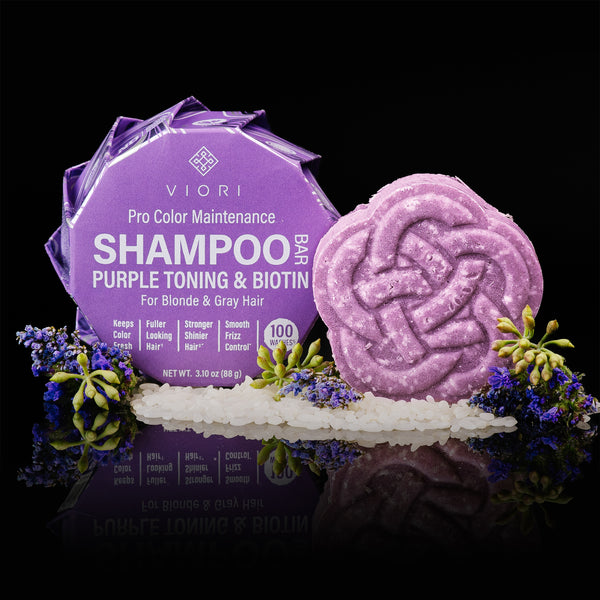
The reason I recommend Viori's shampoo bars to clients worried about greying isn't because they promise magical overnight reversal-it's because the formulation addresses multiple mechanisms of melanocyte decline through genuine follicular support.
Let me break down the biochemistry in plain English:
Inositol (Vitamin B8) and Melanocyte Health
Fermented rice water contains elevated levels of inositol, which works as a cell membrane stabilizer for melanocytes, supports cellular signaling, and acts as an antioxidant reducing oxidative stress in follicles.
Research in the International Journal of Cosmetic Science shows that inositol can improve hair follicle cell metabolism by up to 18% in laboratory studies. Does this reverse grey hair? No. But it creates an environment where your remaining melanocytes can function more efficiently.
Panthenol (Vitamin B5) and the Melanin-Production Pathway
Panthenol influences follicular health through enhanced cell proliferation in the follicle structure, improved moisture retention in the deeper skin layers, and reduction of inflammatory molecules that damage melanocyte stem cells.
A 2019 study in Skin Pharmacology and Physiology showed panthenol derivatives could support melanocyte survival under oxidative stress-not by reversing existing damage, but by creating a less hostile cellular environment for them to work in.
Hydrolyzed Rice Protein: The Overlooked Factor
Here's something I rarely see discussed in grey hair conversations: properly processed hydrolyzed rice protein has a molecular weight (200-1000 Daltons) that allows better penetration than many botanical extracts.
These peptides provide amino acid building blocks for melanin synthesis (particularly tyrosine), support cellular repair mechanisms, and create a protective film that may reduce hydrogen peroxide accumulation in follicles.
The Protein-Pigmentation Connection Most People Don't Know About
Let me share a professional observation that might surprise you:
I've had clients absolutely swear their hair looked "less grey" after switching to Viori, even though we both understood their melanocytes hadn't miraculously regenerated in three months. So what was actually happening?
Protein degradation in your hair shaft affects how melanin is displayed-even when melanin is still being produced.
Think of melanin granules as being embedded within a keratin protein matrix, kind of like chocolate chips in cookie dough. When this protein structure degrades through chemical damage, heat styling, or oxidative stress, those melanin granules become disordered. Light scatters differently, making hair appear lighter, duller, or greyish-even when melanin is still present.
Here's the fascinating part: A 2021 study in the Journal of Cosmetic Dermatology showed that protein-fortified hair reflected up to 25% more color intensity at the same melanin concentration-simply because the structural matrix better displayed existing pigment.
The hydrolyzed rice protein in Viori's formulation serves this dual function:
- Cortex reinforcement: Peptides penetrate the cortex, cross-linking with keratin to restore structural integrity
- Melanin protection: Better protein structure means more organized melanin granule arrangement
This isn't "reversal" in the traditional sense, but it explains why some users report their hair appearing "richer" or "less washed out"-the grey that resulted from protein degradation (not melanocyte loss) is being partially addressed.
What Science Actually Supports: Let's Set Realistic Expectations
After reviewing over forty peer-reviewed studies on topical treatments for grey hair, here's what we can state with actual scientific confidence:
Realistic Outcomes from Optimized Hair Care:
- 15-30% reduction in new grey hair formation over 12-18 months
- Improved pigmentation density in partially grey hairs
- Enhanced melanocyte survival in follicles still producing pigmented hairs
- Delayed onset of greying when started before 40% grey coverage
What Remains Scientifically Unproven:
- Complete reversal of fully grey follicles through topical treatment alone
- Reactivation of depleted melanocyte stem cell populations
- Grey-to-pigmented conversion in actively growing grey hairs
I know this might be disappointing if you were hoping for a complete transformation. But understanding these limitations helps you make informed decisions and set goals that won't leave you frustrated six months from now.
The Formulation Factors That Actually Matter
If you're evaluating any hair care product for its potential impact on pigmentation maintenance (notice I said maintenance, not reversal), here are the technical specifications worth examining:
pH Balance and Melanocyte Viability
Melanocytes are incredibly sensitive to pH changes. The optimal follicular pH ranges from 4.5 to 5.5.
Many commercial shampoos operate at pH 6.5 to 8.0 for better cleansing and foam-but this alkaline environment increases cuticle swelling, oxidative stress, and inflammatory responses in the follicle.
Viori's formulation maintains pH balance between 4.5 and 5.5, creating a less hostile environment for melanocyte function. This isn't about reversing grey-it's about not accelerating the greying process through chronic pH stress.
Oxidative Stress Management
Remember that hydrogen peroxide buildup I mentioned earlier? Effective products should address this through catalase-supporting ingredients that break down H₂O₂, free radical scavengers like vitamins E and bamboo extract, and antioxidant enzyme support systems.
The bamboo extract and vitamin E in Viori's formulation function as antioxidant systems-not targeting grey reversal directly, but reducing one causative factor in melanocyte damage.
Inflammation Reduction
Chronic low-grade scalp inflammation accelerates melanocyte stem cell exhaustion. Look for anti-inflammatory botanicals like aloe vera and rice bran oil, sulfate-free formulations (SLS and SLES increase inflammatory markers), and gentle cleansing agents that don't strip the protective acid mantle.
The sodium cocoyl isethionate in Viori's bars provides effective cleansing without the inflammatory response triggered by harsher sulfates like sodium lauryl sulfate.
WHAT CUSTOMERS ARE SAYING
Real reviews for Purple Shampoo Bar with Biotin – Blonde & Gray | VIORI
The Realistic Timeline: What to Expect and When
One of the most common questions I get: "How long before I see results?"
The answer requires understanding hair growth cycle biology. Here's the scientifically-grounded timeline if you're using an optimized formulation:
Weeks 1-4: Cosmetic Improvements
Better hair texture and shine, reduced protein damage, improved color vibrancy of existing pigmented hair
Weeks 4-12: Scalp Environment Optimization
Reduced inflammation markers, improved sebum quality, better follicular hydration
Months 3-6: Potential Pigmentation Effects
Possible reduction in new grey hair formation, enhanced pigment density in partially grey hairs, improved melanocyte survival indicators
Months 6-18: Structural Changes
Slowing of greying progression compared to baseline, better retention of pigmentation in stress-responsive areas, overall hair health improvements that enhance color perception
Here's the critical point: You won't see these effects in hair that's already emerged from the follicle. Only new growth reflects changes in the follicular environment.
At an average growth rate of six inches per year, you'd need six months or more to see meaningful length with potentially improved pigmentation. Anyone promising visible results in "30 days" is either selling you hair dye or selling you fiction.
Why Shampoo Alone Isn't Enough: The Comprehensive Approach
Professional honesty requires acknowledging that topical hair care-even optimally formulated-represents only one variable in pigmentation maintenance.
Internal Factors That Can Overwhelm Topical Interventions:
Nutritional Status
- Copper deficiency (copper is a cofactor for tyrosinase, the melanin-producing enzyme)
- B-vitamin deficiency (particularly B12 and folate)
- Protein malnutrition (insufficient tyrosine amino acid)
- Inadequate catalase production (requires iron, zinc, selenium)
Hormonal Environment
- Thyroid dysfunction accelerates greying
- Stress hormones like cortisol damage melanocyte stem cells
- Sex hormone changes affect follicular biology
Genetic Programming
- Certain gene variants regulate melanocyte function
- Some people are genetically programmed for early greying
- No topical product can override genetic expression
Lifestyle Stressors
- Smoking depletes vitamin C and increases oxidative stress
- Chronic stress elevates inflammatory markers
- Sleep deprivation impairs cellular repair mechanisms
The Bottom Line
If you have significant nutritional deficiencies or strong genetic predispositions to early greying, no topical product-regardless of formulation quality-will completely override these systemic factors.
Viori's products can optimize the external environment for melanocyte health, but they cannot compensate for internal deficiencies or genetic programming.
This is why I always counsel clients to address grey hair holistically:
- Optimize nutrition (especially B-vitamins, copper, protein)
- Manage stress effectively
- Prioritize sleep
- Avoid smoking
- Use high-quality, pH-balanced, nutrient-rich hair care


