
When someone types “shampoo Japanese” into a search bar, they’re usually chasing a feeling more than a specific product: hair that’s light, glossy, and clean in a way that doesn’t feel stripped. The part most articles skip is that this “Japanese shampoo” vibe isn’t just about fragrance or minimal packaging-it’s about a very particular standard of cleanliness that’s rooted in rinse behavior, scalp comfort, and how the cuticle sits on the hair.
After two decades behind the chair, I can tell you this: the signature finish people associate with Japanese haircare is less about “miracle ingredients” and more about technique + water chemistry + pH balance. Once you understand those three, it becomes much easier to recreate that polished, airy result-especially with a pH-balanced bar system like Viori.
The rarely discussed secret: “clean” is a rinse-feel standard
A big part of the Japanese haircare mindset is that clean hair should rinse clean-quickly. Not squeaky. Not coated. Just… released. That matters because when a formula is built around this idea, it tends to prioritize rinse clarity and low residue, which supports the light, glossy movement people love.
In practical terms, that “clean release” feeling is usually the result of:
NOT SURE WHICH PRODUCT IS RIGHT FOR YOU?
TAKE THE QUIZTakes 30 seconds · 134,000+ customers matched
- High rinse efficiency (the product lets go of the hair easily)
- Less lingering film at the roots (volume stays bouncy instead of collapsing)
- Controlled cuticle behavior (hair feels smoother, looks shinier)
- Scalp comfort (less tightness, less rebound oiliness)
Why your shower water can make or break the result
Here’s a detail that almost never gets the attention it deserves: a lot of “Japanese shampoo magic” is actually water compatibility. If you live in a hard water area, the minerals in your water can interfere with cleansing and rinsing. That changes how hair feels immediately-sometimes even making a great routine feel like it stopped working.
Hard water can contribute to:
- Hair feeling dull or “draggy” even when it’s freshly washed
- Roots that feel slightly tacky (like they didn’t fully rinse)
- More friction during washing, which can rough up the cuticle over time
And here’s the sneaky part: when hair doesn’t feel clean fast enough, most people respond by scrubbing harder. With any shampoo bar, that extra friction can be the fastest route to frizz and faded shine.
That glossy “Japanese hair” look is mostly cuticle optics
Let’s clear up a misconception: shine isn’t the same thing as moisture. Shine is mostly about light reflection-how smooth and uniform the surface of your hair is. The smoother the cuticle lies, the more evenly it reflects light, and the glossier your hair looks.
To get that sleek, glassy finish, you’re aiming for:
- Low cuticle lift (often supported by a balanced pH routine)
- Low surface roughness (less abrasion, less friction)
- Even product distribution (no patchy buildup)
Viori puts a strong emphasis on pH balanced haircare, which matters because hair generally behaves best within a pH range of about 3.5-6.5. When products run too alkaline, the cuticle can stay more lifted, which tends to increase dryness, tangling, and long-term wear on the hair.
Scalp-first care is not a trend-it’s biomechanics
In many routines inspired by Japanese haircare, the scalp is treated like skin first (because it is). That’s not just a wellness idea-it’s technical. Your scalp’s oil isn’t simply “grease”; it’s part of your barrier system. The goal is to remove what doesn’t belong (oxidized oil, sweat, pollution, styling film) without over-stripping what protects you.
When cleansing becomes too harsh-or too aggressive because you’re scrubbing for that “clean” feeling-you can end up with a cycle of irritation and oil rebound. When cleansing is too weak or leaves residue behind, the scalp can feel congested and oily sooner. The sweet spot is a routine that cleans well and rinses clean, while still respecting the scalp barrier.
Rice-based haircare: powerful, but only when it’s balanced
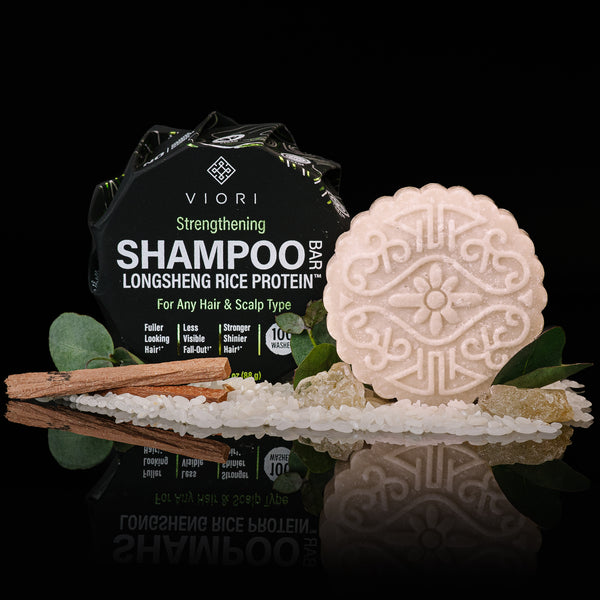
Rice water traditions have been used for centuries across Asia, so it’s no surprise people connect “Japanese shampoo” searches with rice-based care. Technically, rice-derived ingredients can support hair feel by improving smoothness and the appearance of strength.
What’s often overlooked is that concentration and frequency matter. Viori specifically notes that very high concentrations of rice water can disrupt hair and scalp pH if overused, which is why Viori uses a lower concentration of Longsheng rice water within a formula designed to be pH balanced and usable regularly if desired.
Viori also highlights that fermentation can increase levels of nutrients like vitamin B8 (inositol) and vitamin B5 (panthenol), both widely used in modern haircare for their supportive conditioning and strengthening benefits.
The modern problem nobody connects: styling films vs “clean rinse” routines
One reason people struggle to get that light, glossy finish today has nothing to do with the shampoo itself-it’s what’s sitting on the hair before you wash. Dry shampoo, heat protectants, smoothing products, and strong-hold sprays can create films that behave differently than plain oil.
If those films aren’t emulsified and rinsed away efficiently, you can end up in a frustrating loop:
- Buildup starts to collect (especially near the crown and hairline).
- Hair feels dull, heavy, or tacky sooner.
- You scrub harder to feel clean.
- Friction roughens the cuticle, leading to frizz and reduced shine.
- You add more smoothing products to fix the frizz-then buildup gets worse.
The fix usually isn’t harsher cleansing. It’s a smarter routine and better mechanics.
How to get the “Japanese shampoo finish” using Viori
If you want that clean, polished, lightweight feel, think in zones: scalp strategy up top, cuticle protection through the lengths, and thorough rinsing throughout.
1) Choose based on scalp type (not just hair length)
Viori’s recommendations are refreshingly clear:
WHAT CUSTOMERS ARE SAYING
Real reviews for Rice Water Shampoo Bar – All Hair Types | VIORI
- Oily scalp: Citrus Yao (the citric acid component helps break down oil effectively)
- Dry to normal scalp: Terrace Garden, Hidden Waterfall, or Native Essence
- Sensitive scalp or fragrance sensitivity: Native Essence (unscented)
2) Use low-friction cleansing technique (this is a big deal)
This tip matters for everyone, and it’s especially important if you’re color-treated. Viori recommends building a lather in your palms and applying with your hands rather than rubbing the bar directly on your head. Less friction usually means a calmer cuticle-and a calmer cuticle is a shinier cuticle.
- Lather in your hands first
- Work the lather into the scalp with fingertips
- Let the rinse water cleanse the lengths gently
3) Condition with intention: mid-lengths to ends, then wait
Conditioner isn’t just “extra softness.” Viori explains it well: cleansing removes some natural sebum, leaving strands more exposed. Conditioner is positively charged, so it adheres to the hair and helps restore protection and slip.
For a smooth, light finish:
- Apply conditioner from mid-lengths to ends
- Let it sit for at least 5 minutes for deeper smoothing (a great frizz strategy)
- Rinse thoroughly
4) If your scalp is oily but your ends are dry, split your routine
Viori even calls this out: use an oil-balancing approach at the scalp, and a more moisturizing approach on the ends. This is one of the most effective ways to keep hair light at the roots without sacrificing softness where you actually need it.
- Shampoo your scalp with Citrus Yao
- Condition your ends with Hidden Waterfall, Terrace Garden, or Native Essence
Final thought: don’t chase a label-engineer the finish
“Japanese shampoo” is best understood as a results standard: clean rinse, controlled shine, comfortable scalp, and hair that moves. When you build your routine around pH, water reality, low-friction technique, and scalp-type matching, you’re no longer guessing-you’re designing the outcome.
If you want to fine-tune this even further, start by identifying your scalp type. Viori defines it simply: oily scalps feel oily 1-2 days after washing, normal around day 3, and dry around day 4+. Once you know that, it becomes much easier to pick the right bar and get the polished, lightweight finish you’re after.


