comparison · 5 min read
Viori vs HiBAR: Shampoo and Conditioner Bars Compared
The quick answer
Viori and HiBAR both make surfactant-based shampoo and conditioner bars that are sulfate-free, silicone-free and packed without plastic, and both shampoos list Sodium Cocoyl Isethionate. Viori builds its line on fermented Longsheng rice water and is made in Utah. HiBAR organizes bars by hair goal, states a 5.7 pH and is made in Minnesota.
- Both are surfactant-based bars, not soap, and both shampoos list SCI.
- Viori centers on fermented rice water; HiBAR groups bars by hair goal.
- Both are Leaping Bunny certified and ship in plastic-free packaging.
Viori and HiBAR both make solid shampoo and conditioner bars that are surfactant-based rather than soap, sulfate-free, silicone-free and packed without plastic. The main differences are the hero ingredient, where each is made, the range of formulas and how each brand describes its pH and vegan status. Viori builds its bars around fermented Longsheng rice water. HiBAR organizes its line around hair needs such as moisture, volume and curls.
Format and cleanser
Viori shampoo bars are syndet bars, not soap. The cleanser is Sodium Cocoyl Isethionate (SCI), a mild coconut-derived cleanser. HiBAR describes its shampoo bars as "surfactant-based" with "no soap." The ingredient list on HiBAR's Moisturize Shampoo Bar starts with Sodium Cocoyl Isethionate as well. So on format, the two brands are close: both are solid bars built on the same type of cleanser, not saponified oils.
On the conditioner side, Viori conditioner bars are built on BTMS (behentrimonium methosulfate, from the colza plant), cocoa butter and cetyl alcohol. HiBAR's Volumize Conditioner Bar lists Behentrimonium Methosulfate and cocoa seed butter on its ingredient list too. HiBAR's FAQ notes that its conditioner bars contain a small amount of surfactant.
Key ingredients
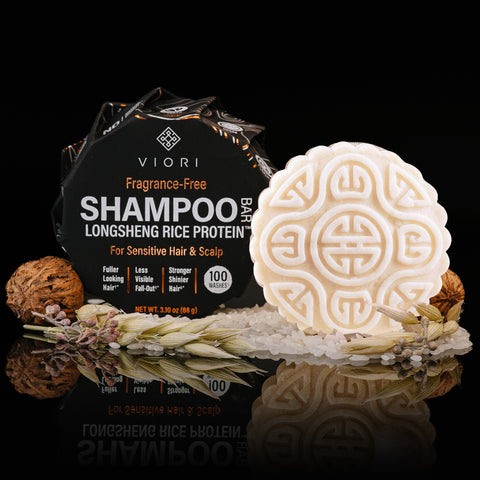
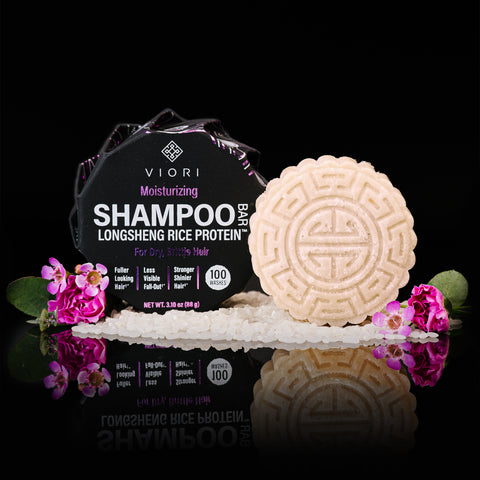
Viori's signature ingredient is fermented Longsheng rice water. The rice is prepared the Red Yao way, a process that takes 7 to 10 days. Viori uses a lower concentration of rice water and a low concentration of rice protein, so the bars are made for daily use.
HiBAR uses different signature ingredients for each formula. Its Moisturize and Volumize bars list hydrolyzed rice protein. Its Volumize conditioner also lists a fermented African date fruit extract. HiBAR's Maintain shampoo lists honeyquat, which its page says is derived from honey. Readers who want a rice-based bar can find rice ingredients in both lines. Viori uses fermented rice water as the base idea of the whole line, while HiBAR adds rice protein to some formulas.
Viori vs HiBAR at a glance
| Viori | HiBAR | |
|---|---|---|
| Format | Syndet bar, not soap | Surfactant-based bar, no soap |
| Shampoo cleanser | Sodium Cocoyl Isethionate (SCI) | Sodium Cocoyl Isethionate (Moisturize bar) |
| Signature ingredient | Fermented Longsheng rice water | Varies by formula; rice protein in some |
| Stated pH | Between 3.5 and 6.5 | 5.7 (Soothe shampoo: 3) |
| Sulfates / silicones | Sulfate-free, silicone-free | No sulfates, no silicone |
| Vegan | Certified vegan (Vegan International) | Vegan except Maintain and Soothe (trace honey), per FAQ |
| Cruelty-free | Leaping Bunny certified | Leaping Bunny certified |
| Packaging | Plastic-free recycled paper, bamboo steamer | Plastic-free recyclable cardboard |
| Made in | Utah, USA | Minnesota, USA |
| Bar size | Shampoo 90 g, conditioner 72 g | Not stated |
pH
Viori bars are pH balanced, formulated to stay between 3.5 and 6.5 pH. HiBAR's FAQ states a specific number: its shampoos and conditioners are "a 5.7 pH." HiBAR also notes one exception, its Soothe shampoo, which it says sits at a pH of 3. Both brands present pH balance as part of a gentle routine.
What is left out
Both brands list their free-from claims in their own words. Viori bars are sulfate-free, silicone-free, paraben-free and gluten-free, with no synthetic preservatives, and they are color-safe. HiBAR's FAQ says its products contain no sulfates, phthalates, parabens or silicones. Its product pages add no PEGs and no ethanolamines, and its FAQ says all its products are color-safe.
Vegan and cruelty-free status
Viori is certified vegan by Vegan International (since 2022) and Leaping Bunny certified cruelty-free (since 2021). Viori also holds Fair Trade and CarbonNeutral® certifications and is a public benefit corporation.
HiBAR's product pages say "Leaping Bunny certified." On vegan status, HiBAR's FAQ says all its products are vegan except the Maintain and Soothe set, which contain a trace amount of honey. Some individual HiBAR product pages describe the bars as vegan, so shoppers who avoid honey may want to check the FAQ and the ingredient list of the specific bar.
Packaging and where they are made
Viori packaging is plastic-free: recycled paper, and the bars ship in a bamboo steamer. Viori bars are manufactured, stored and shipped from Utah. Viori buys its Longsheng rice directly from the Red Yao women of Longsheng, China, at a premium, and gives at least 5% of profits back to Red Yao communities.
HiBAR uses plastic-free, recyclable cardboard packaging with plant-based inks, and says its shipping materials are compostable, recyclable or biodegradable. HiBAR's FAQ says its bars are made and shipped from its own facility in Minnesota. HiBAR's bars have a distinct shape designed to sit upright so the bar can shed moisture.
Range and sizes
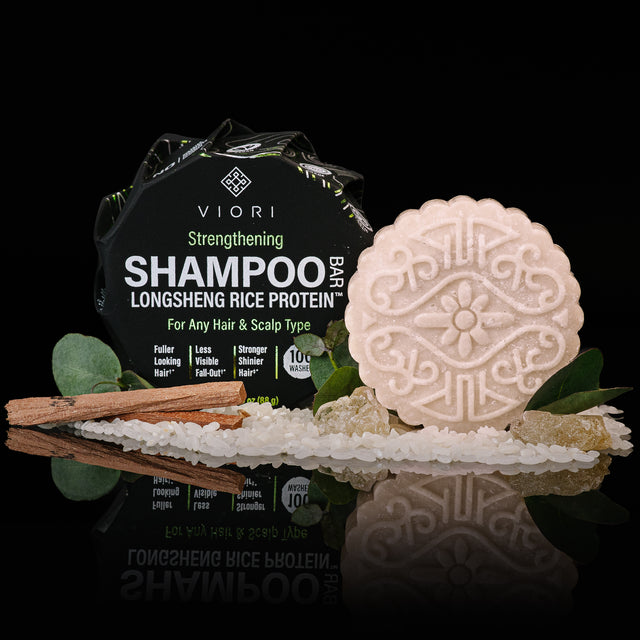
Viori makes shampoo bars and conditioner bars, plus body wash bars and dry shampoo. Viori shampoo bars are 90 g (3.5 oz) and conditioner bars are 72 g (2.8 oz). Its guidance matches bars to scalp type: Terrace Garden for dry to normal scalps, Citrus Yao for oily scalps, Hidden Waterfall for most hair types, and Native Essence with no added fragrance.
What customers are saying
HiBAR's hair line includes Maintain, Moisturize, Volumize, Soothe and Curl bars, and its FAQ names Repair as the first formula in a newer line. Bar weights are not stated on HiBAR's site.
Who each one suits
Viori suits shoppers who want a rice water routine, a bar matched to scalp type, a fragrance-free option and third-party vegan, cruelty-free, Fair Trade and CarbonNeutral® certifications. It also suits buyers who care about direct sourcing from the Red Yao community.
HiBAR suits shoppers who want bars organized by hair goal, such as volume or curls, a stated pH figure on the label, and bars made in Minnesota. Both suit anyone looking for a sulfate-free, silicone-free, plastic-free syndet-style bar.
How to switch to any shampoo bar
Wet your hair well. Lather the bar in your hands or glide it over wet hair, then rinse thoroughly. If your hair is color-treated, lather the bar in your hands first. Let the bar dry between uses so it lasts. Give a new routine 2 to 3 months before judging it. Start with Hidden Waterfall for most hair types, or Native Essence if you prefer no added fragrance.
Common questions
What is the main difference between Viori and HiBAR?
Viori builds every bar around fermented Longsheng rice water, sourced from the Red Yao community, and makes its bars in Utah. HiBAR organizes its bars by hair goal, such as Moisturize, Volumize and Curl, and makes them in Minnesota. Both are surfactant-based, sulfate-free and silicone-free.
Are HiBAR shampoo bars soap?
No. HiBAR describes its shampoo bars as surfactant-based with no soap, and its Moisturize Shampoo Bar lists Sodium Cocoyl Isethionate first. Viori shampoo bars are also syndet bars, not soap, made with the same mild coconut-derived cleanser.
Is HiBAR vegan?
HiBAR's FAQ says all its products are vegan except the Maintain and Soothe set, which contain a trace amount of honey. Viori bars are certified vegan by Vegan International. Shoppers who avoid honey can check each bar's ingredient list.
What pH are Viori and HiBAR bars?
HiBAR's FAQ says its shampoos and conditioners are 5.7 pH, with its Soothe shampoo at a pH of 3. Viori bars are pH balanced and formulated to stay between 3.5 and 6.5 pH.
Are both brands cruelty-free and plastic-free?
Yes. Viori is Leaping Bunny certified and ships bars in recycled paper and a bamboo steamer. HiBAR's product pages say Leaping Bunny certified, and HiBAR uses plastic-free, recyclable cardboard packaging with plant-based inks.