
As a hair professional with two decades of experience, I've walked alongside many clients through their hair recovery journeys after medical treatments like chemotherapy. This is a deeply personal and common question. Let's address the role of biotin specifically, and then I'll share a holistic perspective on nurturing hair back to health, informed by both science and my professional observations.
NOT SURE WHICH PRODUCT IS RIGHT FOR YOU?
TAKE THE QUIZTakes 30 seconds · 134,000+ customers matched
Understanding Biotin's Role in Hair Regrowth
Biotin, also known as Vitamin B7, is a water-soluble vitamin that plays a crucial role in the body's keratin infrastructure-keratin being the primary protein that makes up hair, skin, and nails. A deficiency in biotin can indeed lead to hair thinning and loss. Therefore, supplementing with biotin can be beneficial if a deficiency is present. For individuals recovering from intensive medical treatments, whose bodies have been under significant nutritional and metabolic stress, addressing potential deficiencies is a logical part of the recovery process.
However, it's critical to understand that biotin is not a magic bullet for hair regrowth. Chemotherapy-induced hair loss occurs because the treatment targets rapidly dividing cells, which includes hair follicle cells. Regrowth after treatment is a process of the follicles "waking up" and re-entering the growth phase. While ensuring optimal nutrition supports this biological process, hair regrowth is ultimately governed by the body's own healing timeline and genetic factors. Simply flooding the system with biotin beyond what it needs will not accelerate growth; the excess is excreted.
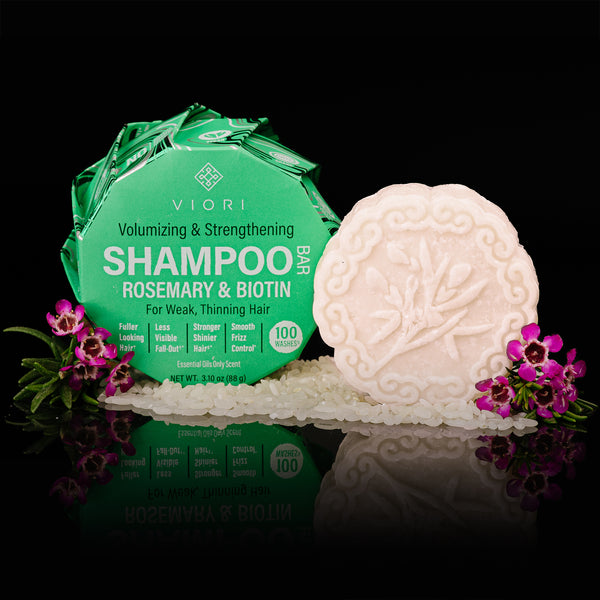
A Holistic Approach to Post-Treatment Hair Care
A more effective strategy combines internal nourishment with exceptionally gentle, supportive external care. This is where the principles behind time-honored hair rituals become profoundly relevant. During the fragile regrowth phase, the scalp and emerging hair are incredibly sensitive. The goal is to provide a clean, balanced, and nutrient-rich environment without any harsh interference.
I advise against any products containing sulfates, parabens, or synthetic alcohols, as these can strip and irritate the delicate new scalp ecosystem. The focus should be on mild, pH-balanced formulations that cleanse without aggression and condition without weighing down fine, new growth.
The Power of a Supportive Scalp Environment
The inspiration for this kind of care can be found in ancient traditions that prioritize scalp health and hair strength from the root. For instance, the centuries-old ritual that inspires Viori's products centers on fermented rice water. Modern science helps us understand why: the fermentation process increases levels of nutrients like inositol (Vitamin B8) and panthenol (Vitamin B5), which are clinically studied for their ability to strengthen hair and support the scalp environment. When integrated into a gentle, modern hair care system, these nutrients can provide the kind of supportive foundation that recovering hair needs.
WHAT CUSTOMERS ARE SAYING
Real reviews for Rosemary Biotin Shampoo Bar – Thinning Hair | VIORI
Your Action Plan for Nurturing New Growth
In practice, for post-treatment hair care, I recommend a gentle, phased approach:
- Consult Your Doctor: Always discuss supplements like biotin with your healthcare provider to ensure they are appropriate for your specific recovery.
- Prioritize Gentle Cleansing: Use a supremely mild, pH-balanced cleanser. For a sensitive scalp, an unscented, fragrance-free option is often best to minimize any potential for irritation.
- Nourish the Scalp: Seek out conditioners formulated with ingredients known to support scalp health and strength, such as rice protein, aloe vera, and natural emollients like shea butter.
- Practice Infinite Patience: Hair regrowth is a marathon, not a sprint. It can take months to see significant progress. Consistency and gentleness are your greatest allies.
The Final Word
Ultimately, while addressing nutritional gaps with biotin may be a supportive piece of the puzzle, the true foundation for healthy regrowth lies in partnering with your body's healing process. This means providing internal nutrition as guided by your physician and adopting an external hair care ritual that respects the delicacy of new growth, focusing on scalp health, strength, and balance above all else. The journey back is as much about nurturing yourself as it is about nurturing your hair.


