
As a hair professional for two decades, I understand how concerning hair loss can be. Determining the exact cause is the first step toward finding an effective solution. While biotin deficiency is a well-known potential culprit, it's important to approach this question with a clear understanding of the facts.
NOT SURE WHICH PRODUCT IS RIGHT FOR YOU?
TAKE THE QUIZTakes 30 seconds · 134,000+ customers matched
Understanding Biotin and Its Role
First, let's discuss biotin. Biotin, or vitamin B7, is a water-soluble vitamin that plays a crucial role in the health of your hair, skin, and nails. It supports keratin infrastructure, which is the primary protein your hair is made of. A true biotin deficiency is actually quite rare in individuals with a balanced diet, as it's found in a wide variety of foods. However, certain conditions like prolonged antibiotic use, intestinal malabsorption issues, or the consumption of raw egg whites can lead to a deficiency.
Signs That May Point to a Biotin Deficiency
- Hair Loss (Telogen Effluvium): This often presents as a general thinning or increased shedding all over the scalp, rather than in specific patches.
- Brittle, Thinning Nails: Nails that easily split, crack, or become thin.
- Skin Rashes: Particularly a red, scaly rash around the eyes, nose, and mouth.
- Neurological Symptoms: In severe cases, symptoms like depression, lethargy, or tingling in the extremities may occur.
The Critical Next Step: Professional Diagnosis
It is absolutely essential to understand that self-diagnosing a biotin deficiency is not reliable or safe. The symptoms above can overlap with numerous other, more common causes of hair loss, such as:
- Hormonal changes (like thyroid imbalances)
- Genetic pattern hair loss
- High stress levels
- Other nutritional deficiencies (like iron or vitamin D)
- Autoimmune conditions
- Scalp health issues
The only way to confirm a biotin deficiency is through a consultation with a healthcare provider. They can evaluate your overall health, diet, and symptoms, and may order specific blood tests to check your biotin levels and rule out other conditions.
How to Support Overall Hair and Scalp Health
While addressing a potential internal deficiency requires medical guidance, creating an optimal external environment for your scalp and hair is something you can control directly. This is where the foundational health of your hair begins.
Many forms of hair loss are exacerbated by a stressed, inflamed, or nutrient-deprived scalp, as well as by harsh chemicals that weaken the hair shaft. A holistic hair care regimen focuses on nourishing the scalp and strengthening the hair follicle from the outside in.
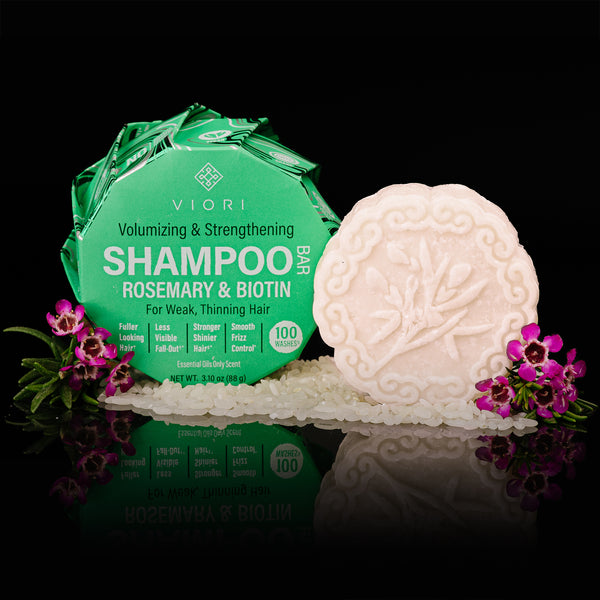
This philosophy is built on the principle of holistic nourishment. Shampoo and conditioner bars formulated with ingredients like fermented rice water can be beneficial. The fermentation process is key, as it increases the availability of beneficial compounds like inositol (vitamin B8) and panthenol (a form of vitamin B5), both of which are studied for their role in strengthening hair and supporting a healthy scalp environment.
WHAT CUSTOMERS ARE SAYING
Real reviews for Rosemary Biotin Shampoo Bar – Thinning Hair | VIORI
Furthermore, using pH-balanced products is critical. An unbalanced, alkaline scalp environment can lead to irritation, dryness, and a compromised hair follicle. By using gentle, sulfate-free cleansers and nutrient-rich emollients, the goal is to cleanse without stripping, and to moisturize and fortify the hair shaft to help prevent breakage and thinning that can mimic the appearance of hair loss from the root.
Your Action Plan
- Consult a Professional: Schedule an appointment with a doctor or dermatologist to identify or rule out a biotin deficiency and other underlying causes.
- Nourish from the Outside: Support your hair's resilience by adopting a gentle, nutrient-focused hair care routine. Think of it as creating the most fertile ground possible for healthy hair.
- Be Patient and Consistent: By removing harsh chemicals, balancing the scalp's pH, and delivering nourishing ingredients directly to the follicle, you give your hair the best external support system it needs, which works in harmony with your internal health.
Remember, healthy hair is a reflection of both internal wellness and external care. Addressing both aspects with patience and the right information is the path to seeing your hair regain its strength and vitality.


