
As a hair professional with two decades of experience, I approach questions about hair loss conditions like alopecia areata with both professional insight and a deep sense of care. Alopecia areata is an autoimmune condition where the body's immune system mistakenly attacks the hair follicles, leading to sudden, often patchy hair loss. The search for supportive nutrients, particularly biotin, is a common and understandable path for those experiencing this condition.
NOT SURE WHICH PRODUCT IS RIGHT FOR YOU?
TAKE THE QUIZTakes 30 seconds · 134,000+ customers matched
Understanding Biotin's Role in Hair Health
Biotin, also known as Vitamin B7 or Vitamin H, is a water-soluble B-vitamin that plays a crucial role in the body's keratin infrastructure. Keratin is the foundational protein that makes up hair, skin, and nails. Biotin supports the enzymes that help metabolize amino acids, the building blocks of this protein. For individuals with general hair thinning, brittleness, or slow growth linked to a biotin deficiency-which can be caused by certain medications, medical conditions, or dietary gaps-supplementing with biotin can be beneficial. It helps strengthen the hair shaft, potentially reducing breakage and improving the overall appearance of hair health.
The Critical Distinction for Alopecia Areata
However, it's critical to understand the nature of alopecia areata. Its primary driver is immune system dysfunction, not a nutritional deficiency. There is no conclusive clinical evidence that biotin supplementation alone can stop the autoimmune attack or reliably regrow hair in cases of alopecia areata. That said, ensuring overall nutritional adequacy is a supportive pillar for anyone, including those with autoimmune conditions. A biotin deficiency could theoretically exacerbate hair fragility, so maintaining sufficient levels is part of a holistic approach to wellness.
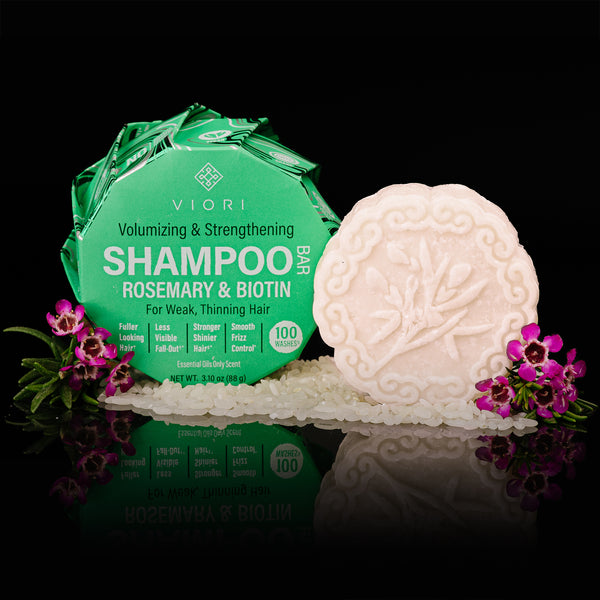
It is absolutely essential to consult with a dermatologist or a healthcare provider before starting any supplement regimen. They can perform tests to check for deficiencies and recommend a course of action that may include supplements, topical treatments, or other therapies specifically targeted at modulating the immune response in the affected areas.
The Topical Approach: Supporting Scalp and Hair Health
From a haircare formulation perspective, the approach shifts from internal supplementation to external, topical support for scalp and hair health. The goal is to create an optimal environment for the scalp and to nourish and strengthen any existing hair or new growth. A holistic haircare regimen for someone managing alopecia areata would focus on gentle, nourishing, and scalp-supportive ingredients.
The ideal products would be free of harsh sulfates, parabens, and synthetic fragrances that could potentially irritate a sensitive or compromised scalp. Instead, they would be rich in nutrients known to support hair strength and scalp comfort.
WHAT CUSTOMERS ARE SAYING
Real reviews for Rosemary Biotin Shampoo Bar – Thinning Hair | VIORI
Key Ingredients for a Supportive Haircare Routine
- Hydrolyzed Proteins: Such as rice protein, which can help fortify the hair shaft, increasing its elasticity and reducing breakage.
- Soothing Botanicals: Ingredients like aloe vera and bamboo extract can provide calming, moisturizing benefits to the scalp.
- Nourishing Vitamins: Panthenol (Vitamin B5) is a superb humectant that attracts moisture to the hair, while Vitamin E offers antioxidant properties.
- Emollient-rich Butters: Components like shea butter and cocoa butter provide deep conditioning and help maintain moisture balance.
The texture and format of the product also matter. Gentle, pH-balanced formulas that cleanse without stripping are paramount. Furthermore, a mindful approach to packaging and ingredient sourcing aligns with a broader philosophy of wellness and reducing exposure to unnecessary chemicals.
The Professional Verdict
Ultimately, while biotin may be a piece of the puzzle for overall hair health, managing alopecia areata effectively requires a medical strategy guided by a professional. Partnering that strategy with a gentle, nutrient-rich haircare routine focused on scalp health and hair strength can provide complementary support. Always prioritize that consultation with a specialist to build a plan that addresses the root cause of the condition while caring for the hair you have with the utmost kindness and nourishment.


