
As a professional stylist with two decades of experience, I often see clients who have tried various supplements and treatments for hair concerns, with biotin being one of the most common. It's crucial to understand that hair health is a complex interplay of internal nutrition, external care, and scalp environment. While biotin (Vitamin B7) is essential for keratin production, its supplementation isn't a universal solution, and its effectiveness can vary greatly.
NOT SURE WHICH PRODUCT IS RIGHT FOR YOU?
TAKE THE QUIZTakes 30 seconds · 134,000+ customers matched
Signs Biotin May Not Be Working for You
Here are the key signs that oral biotin supplementation may not be addressing your specific hair needs:
- Lack of Visible Improvement in Hair Strength and Shedding After 3-6 Months: Biotin is often sought for reducing breakage and excessive shedding. If you've been consistently taking a high-quality supplement for several months and notice no decrease in the amount of hair in your brush, shower drain, or on your pillow, it may indicate that your hair concerns are not rooted in a biotin deficiency. True biotin deficiencies are rare, and increased shedding is more commonly linked to other factors like stress, hormonal shifts, thyroid issues, or scalp health.
- Increased Scalp Oiliness or Acne Breakouts: A lesser-known but frequent side effect of high-dose biotin supplementation is that it can interfere with the absorption of other essential B-vitamins, like Vitamin B5 (panthenol). This imbalance can sometimes lead to an overproduction of sebum (oil) on the scalp and skin, resulting in greasy roots, clogged follicles, or even acne along the hairline and face. If your scalp feels oilier than usual or you're experiencing new breakouts after starting biotin, it's a strong signal that the supplement may be creating an imbalance rather than solving one.
- Hair Feels Brittle, Dry, or "Straw-Like" Despite Supplementation: Biotin supports the internal structure of the hair strand. However, if your hair continues to feel dry, lacks elasticity, and snaps easily, the issue is likely external moisture loss or cuticle damage that biotin cannot repair from the inside. This is a classic case where topical nourishment and sealing the hair cuticle are required-something a supplement alone cannot provide.
- No Change in Growth Rate or New Baby Hairs: Many take biotin hoping to accelerate growth. Hair grows, on average, half an inch per month. If, after 4-6 months of supplementation (the time it takes for a new growth cycle to become visible), you see no new fringe of baby hairs at your hairline or no noticeable increase in your growth rate, your body may already have sufficient biotin levels. The "bottleneck" for your growth could be elsewhere, such as scalp circulation, overall protein intake, or the health of the scalp skin itself.
- Underlying Scalp Conditions Persist or Worsen: Biotin does not directly treat scalp conditions like seborrheic dermatitis, psoriasis, or chronic inflammation. If you are experiencing persistent flaking, itching, redness, or irritation, these are signs of a scalp ecosystem that needs targeted, topical care. A supplement cannot rebalance the microbiome or soothe an inflamed scalp.
What This Means for Your Hair Care Journey
These signs indicate it's time to shift your strategy from a singular internal supplement to a holistic approach that includes topical, nutrient-rich care. This is where the wisdom of ancient rituals and modern, clean formulation becomes paramount.
The foundation of remarkable hair health isn't just about one internal vitamin; it's about consistent, gentle cleansing and deep, restorative conditioning that delivers nutrients directly where they are needed. A regimen focused on scalp health and strand integrity can address many issues that biotin cannot.
Focus on Foundational, Topical Care
Look for a system that prioritizes:
WHAT CUSTOMERS ARE SAYING
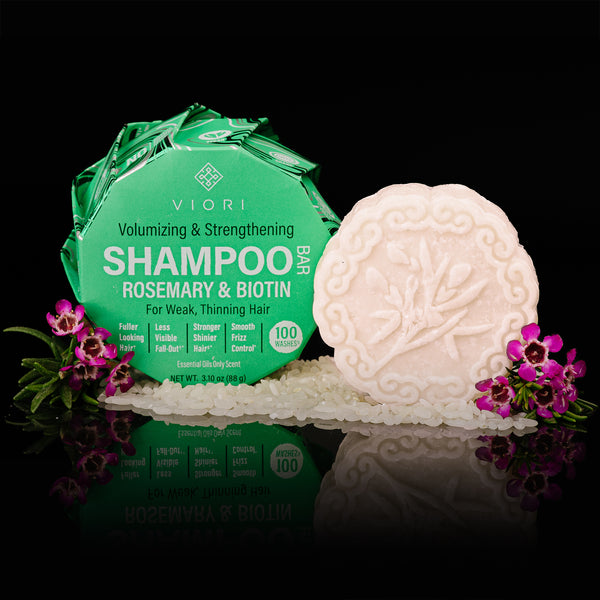
Real reviews for Rosemary Biotin Shampoo Bar – Thinning Hair | VIORI
- pH-Balanced Formulas: To maintain the scalp's acid mantle and hair cuticle integrity.
- Hydrolyzed Proteins: Like rice protein, which can penetrate the hair shaft to reinforce strength from the inside out.
- Natural Emollients: Such as shea and cocoa butter, to seal moisture into the hair strand.
- Scalp-Soothing Ingredients: Like aloe vera and bamboo extract to calm irritation and support a healthy follicle environment.
In my professional opinion, the most transformative results come from pairing good internal nutrition with exceptional external care. If biotin isn't delivering the changes you hoped for, it's a sign to redirect your focus to the quality of the products you apply directly to your hair and scalp. Nourishing the hair at its source and along each strand often yields more direct and visible results than internal supplements alone.


