
“No citric acid” sounds like an easy request-just leave one ingredient out and call it a day. But in real-world hand cleansing, citric acid often does quiet, behind-the-scenes work that affects how a soap lathers, rinses, and feels on your skin after repeated washes.
If you’ve ever switched to a citric-acid-free hand soap and suddenly noticed tightness, drag, or a weird film you can’t quite describe, you’re not imagining it. The difference usually isn’t about one ingredient-it’s about the jobs that ingredient was doing in the formula.
In this post, I’ll break down what changes when citric acid is missing, why it matters (especially if you wash your hands often), and how to choose a citric-acid-free option that still performs like you want it to.
NOT SURE WHICH PRODUCT IS RIGHT FOR YOU?
TAKE THE QUIZTakes 30 seconds · 134,000+ customers matched
Why People Look for Hand Soap Without Citric Acid
Most people don’t avoid citric acid because they “hate acids.” They avoid it because something about their skin or lifestyle makes them more aware of how cleansing products behave.
- Sensitivity or irritation, especially when hands are chapped, cracked, or overwashed
- Eczema-prone or reactive skin where certain formulas can sting
- A preference for simpler ingredient lists
- A desire to avoid specific acidifiers for personal comfort
One important reality: citric-acid-free doesn’t automatically mean gentler. It simply means the formula needs a different way to achieve the same performance.
The Part Nobody Explains: Citric Acid Is Usually a “System Tool”
In many hand soaps-especially liquids-citric acid isn’t there to make the product “citrusy.” It’s there because it’s useful. Remove it, and the formula may behave differently in ways you can feel.
1) pH Control (And Why pH Drift Is a Real Thing)
Skin is happiest when the barrier isn’t constantly pushed too alkaline. Many modern cleansers aim for a pH range that respects the skin’s surface environment, and citric acid is a common way to fine-tune that.
Here’s the nuance that rarely gets talked about: pH isn’t always stable in real life. Water quality, storage conditions, and repeated wetting and drying can cause pH drift. Citric acid often helps keep the formula from wandering over time.
2) Hard Water Performance (Minerals Change Everything)
If you live in a hard water area, calcium and magnesium ions in your water can interfere with cleansing and rinsing. That can show up as weak lather, a squeaky feel, or residue on your sink and hands.
Citric acid can help by lightly binding some mineral ions, which may improve the rinse feel. Without it, a product can still work beautifully-but it needs a different strategy to handle hard water.
3) Indirect Support for Preservation in Liquid Products
Citric acid isn’t a classic preservative, but pH influences how preservation systems behave in water-based products. When citric acid is removed from a liquid hand soap, the formulator may need to adjust the preservation and stability approach to keep the product safe and consistent over time.
The Big Difference: “True Soap” vs. Surfactant-Based Cleanser
A lot of frustration comes from one word: soap. Many products are labeled “hand soap,” but they can fall into two very different categories-and they don’t behave the same, with or without citric acid.
Option A: True Soap (Traditional Saponified Soap)
Traditional soap is naturally alkaline. That’s not automatically bad, but it often explains why some bars feel ultra-clean yet leave hands tight, especially in colder seasons or with frequent washing.
- Often feels very “clean” immediately
- Can feel drying for some skin types with repeated use
- May leave more buildup in hard water (that classic soap scum effect)
Option B: Surfactant-Based Cleansers (Often pH-Balanced)
Surfactant-based cleansers can be designed to be pH balanced and often feel gentler on skin, depending on the surfactant system and supporting ingredients.
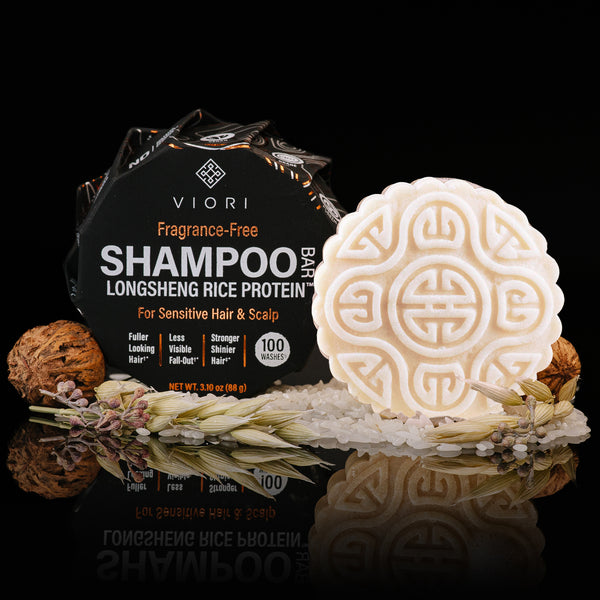
This is one reason many people enjoy pH-considered bar formats in other parts of their routine. For example, Viori’s bars are designed to be pH balanced, which matters because many cleansing bars on the market run more alkaline. (Viori products are formulated for hair, but the same principles-pH behavior, rinse feel, and mineral interaction-help explain why some cleansing formats feel better than others.)
The “Rinse Signature”: The Sensory Clue Most People Ignore
I pay close attention to what I call the rinse signature-how your hands feel after you rinse and dry. This is where citric acid (or the lack of it) can quietly show up.
- Silky/slippy and comfortable
- Squeaky (often mistaken for “extra clean”)
- Tight, papery, or dry
- Draggy when hands are damp
- Filmy or coated
That squeaky-tight feeling is often interpreted as “this soap really works.” But it’s frequently the result of higher alkalinity, hard-water mineral interactions, and barrier lipid removal. In other words: it can be more about chemistry than cleanliness.
So What Replaces Citric Acid in a Well-Made Formula?
A good citric-acid-free hand cleanser doesn’t just remove an ingredient-it replaces its function. High-performing citric-acid-free products often lean on a few smart design choices:
WHAT CUSTOMERS ARE SAYING
Real reviews for Native Essence Barra de Champú Sin Perfume
- Alternative pH strategy to keep the formula comfortable and consistent
- Better hard-water tolerance through surfactant selection and supporting ingredients
- Format choices (like lower-water formats) that reduce preservation pressure
- Balanced skin feel ingredients that reduce friction without leaving a greasy coating
How to Choose a Citric Acid-Free Hand Soap That Still Feels Good
If you want to stay citric-acid-free but avoid the common pitfalls (tightness, residue, poor lather), focus on how the product behaves, not just what it omits.
- Start with your water type. Hard water can dramatically change rinse feel and lather, especially in traditional soap styles.
- Be honest about how often you wash. Three washes a day is one world; twenty washes a day is another. Frequency magnifies small formulation differences.
- Don’t assume citric-acid-free means pH-neutral. A product can be citric-acid-free and still be acidic (or swing alkaline). Comfort comes from overall pH behavior, not a single ingredient.
- Reduce variables if you’re reactive. If your skin is easily irritated, fragrance can be a major factor-sometimes more than citric acid itself.
A Surprisingly Practical Detail: Hard Water Can Mean More Sink and Soap-Dish Buildup
Here’s an angle that almost never gets mentioned: in hard water regions, certain citric-acid-free “true soap” styles can create more insoluble deposits. That can show up as soap scum on your sink, a cloudy film on soap dishes, or a persistent draggy feel on skin.
This doesn’t mean you can’t use citric-acid-free products. It just means that if you have hard water, you’ll want a formula designed to handle minerals-otherwise the experience can feel “off” even if the ingredient list looks perfect.
Bottom Line: Citric Acid-Free Is a Constraint, Not a Guarantee
The best way to think about “hand soap without citric acid” is this: you’re not just removing an ingredient-you’re removing a set of functions. The winning formula is the one that replaces those functions intelligently, so your hands feel clean without paying for it later with dryness, tightness, or irritation.
If you want a more tailored recommendation, think through three quick questions: How hard is your water? How many times a day do you wash your hands? And do you prefer a bar or liquid format?


