
“Grey removing soap” sounds like the dream-wash your hair, rinse, and watch the silver disappear. But if we’re being honest (and a little nerdy, in the best way), most of what people call “grey removal” has nothing to do with reversing grey hair at all.
Hair that’s grown out of your scalp is dead keratin. It can’t suddenly start making pigment again because a bar touched it. What can change-sometimes dramatically-is how grey hair looks: brighter, shinier, cleaner, more “silver” than flat grey. That difference comes down to surface chemistry, light reflection, and buildup that’s been quietly dulling your hair for months (or years).
First, let’s define “grey”-because people mean different things
In the salon, when someone says their hair is “getting greyer,” I usually have to ask one question: “Do you mean more white hairs, or do you mean your hair looks more dingy?” Those are two completely different situations.
NOT SURE WHICH PRODUCT IS RIGHT FOR YOU?
TAKE THE QUIZTakes 30 seconds · 134,000+ customers matched
There are three common “grey” problems
- True greying (melanin loss): This is genetics, time, and biology. Pigment production slows down in the follicle. A cleansing bar can’t reliably switch it back on.
- Yellowed or dull grey: Grey and white hair are more transparent, so they show environmental discoloration easily-UV, pollution, oxidized oils, and leftover product film.
- Smoky, flat-looking grey: Often caused by hard water minerals and trace metals building up on the hair, especially noticeable on lighter strands.
The angle most articles miss: “grey removal” is often mineral removal
This is the part that rarely gets talked about online. A lot of the “my grey went away” stories are really “my hair stopped looking hazy.” Grey hair is like a white shirt-any buildup shows. Minerals, metals, styling residue, and oxidized oils can create a film that makes hair look smoky, dull, or even slightly yellow-grey.
When that layer comes off and the cuticle smooths down, light reflects better. The hair looks glossier and cleaner-sometimes so much so that people describe it as “less grey,” even though the number of grey hairs hasn’t changed.
“Soap” vs. shampoo bar: the chemistry matters more than the marketing
Here’s where the word “soap” can steer you wrong. True soap (made through saponification) is often more alkaline. Alkaline products can lift the cuticle, which tends to make grey hair feel rougher and look more matte. And matte, rough hair nearly always reads as “greyer,” especially in bright bathroom lighting.
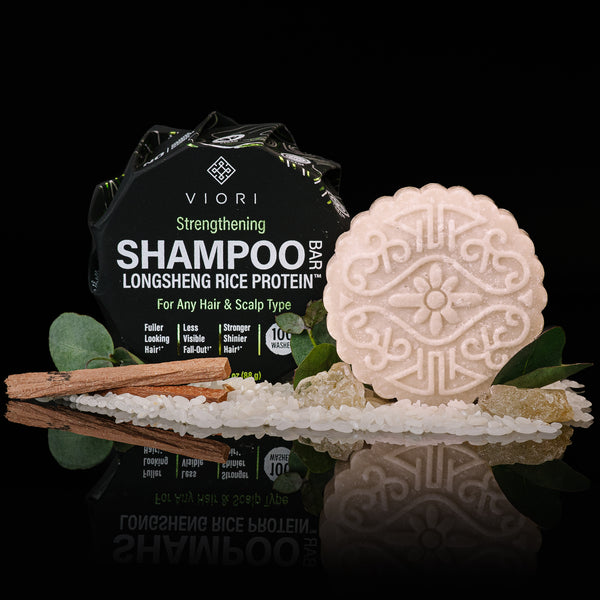
A modern shampoo bar is typically formulated differently-and when it’s done well, it can be far kinder to the hair fiber. Viori uses a gentle cleanser called Sodium Cocoyl Isethionate (SCI), and their bars are designed to be pH balanced. That’s not a trendy buzzword-it’s one of the biggest reasons hair can look and feel noticeably better after switching to a quality bar routine.
Why pH balance changes how grey hair looks
Hair generally behaves best in a mildly acidic range (roughly 3.5-6.5). When your haircare lives in that zone, the cuticle tends to lie flatter. A flatter cuticle means better shine. Better shine means grey looks more like polished silver and less like dry, chalky white.
The “grey removing” effect is usually cuticle control + shine
If your goal is “less grey,” what you’re typically chasing is one of these outcomes:
- Brighter white (less yellowing)
- Cleaner silver (less smoky haze)
- Softer-looking grey (less frizz, less wiry texture)
All three are surface issues-things happening on the hair, not inside it. That’s why product choice and technique matter so much.
Protein, porosity, and why grey hair can turn stubborn
Grey hair often behaves like it’s higher porosity: it can feel coarser, drier, and more resistant to smoothing. That’s why some “grey-focused” cleansers leave people disappointed-if they cleanse too aggressively or leave the cuticle rough, the hair looks worse even if it’s technically clean.
Viori notes they use a low concentration of rice protein in their bars. In practical terms, that matters because grey hair often benefits from strength support, but can feel stiff if it’s overloaded. The goal is balance: clean, conditioned, and smooth-not squeaky or stripped.
Conditioner isn’t optional for most greys
This is where transformations usually happen. After cleansing, hair has fewer natural oils coating it, and the strands are more vulnerable to friction, dryness, and dullness. Viori explains a key point well: conditioner carries a positive charge, which helps it cling to the hair and provide slip and protection.
On grey hair, that slip and smoothing can be the difference between “wirey and frizzy” and “sleek and silver.”
A practical Viori routine to make grey look brighter and less dingy
If you want results you can actually see-and not just a one-wash illusion-focus on reducing buildup while keeping the cuticle calm and conditioned.
WHAT CUSTOMERS ARE SAYING
Real reviews for Hidden Waterfall Barra de Champú
- Build lather in your hands first. Instead of rubbing the bar directly on your head, create lather in your palms and apply with your fingers. It’s gentler and helps reduce friction on the hair surface (especially helpful if your hair is color-treated).
- Cleanse the scalp first. Massage with fingertips, then gently pull the suds through the lengths.
- Rinse longer than you think you need to. Grey hair shows residue easily, and leftover product can make it look hazy.
- Condition mid-length to ends. Let it sit for a few minutes before rinsing to encourage smoother cuticle alignment and better shine.
- Try a cooler final rinse. Not ice cold-just cooler than your wash water-to help the hair lie flatter and reflect more light.
Which Viori bar makes the most sense for grey hair?
The best choice depends less on your hair color and more on your scalp type.
- Oily scalp: Viori’s Citrus Yao is commonly recommended for oilier scalps (Viori notes this scent system includes citric acid, which helps break down oil).
- Normal-to-dry scalp: Terrace Garden, Hidden Waterfall, or Native Essence are typically better fits when you want more moisture support.
- Sensitive or fragrance-sensitive: Native Essence is Viori’s unscented option.
If you’re in the very common category of oily scalp + dry ends, it can be smart to focus cleansing where you need it (the scalp) and concentrate conditioning where you need it (mid-lengths and ends).
So, does “grey removing soap” exist?
Not in the literal sense. A bar can’t reliably restore lost pigment in hair that’s already grown out. But the right cleanser and conditioner routine can absolutely remove the things that make grey hair look extra grey: mineral haze, oxidized film, rough cuticles, and dullness.
If you want a more polished, luminous grey-something that reads “silver” instead of “tired”-think less about “removing grey” and more about engineering shine. That’s where a pH-balanced bar system like Viori can make a noticeable difference.


