
Most people shop for a “conditioning treatment” the same way they shop for a candle: pick the one that smells good, hope it feels nice, and cross fingers for shine. But hair doesn’t respond to wishful thinking. It responds to chemistry, structure, and how you physically handle it.
After 20 years behind the chair, I’ve noticed a pattern: when a conditioning routine “fails,” it’s rarely because the hair is stubborn. It’s usually because the treatment is aimed at the wrong target (scalp vs. lengths), the hair’s true damage pattern isn’t understood, or the application technique adds the very friction that causes roughness and frizz in the first place.
Here’s a more precise way to think about hair condition treatment-one that’s technical enough to be accurate, but practical enough to use in your shower tomorrow.
Conditioning Isn’t One Job-It’s a Whole System
When someone says, “My hair needs conditioning,” they could mean a dozen different things: tangles, frizz, dullness, breakage, limp roots, or that classic combo of oily scalp and dry ends. Those are symptoms. The actual “condition” of hair is a mix of what’s happening on the scalp and what’s happening on the fiber.
NOT SURE WHICH PRODUCT IS RIGHT FOR YOU?
TAKE THE QUIZTakes 30 seconds · 134,000+ customers matched
I like to break it into three variables that determine your results:
- Scalp environment (oil rate, irritation, micro-flaking, comfort)
- Hair fiber condition (cuticle health, porosity, strength, elasticity)
- Application physics (friction, water, dwell time, and how product deposits)
Most online advice focuses only on the hair strand. But if you ignore the scalp or your technique, you can spend months “treating” and still feel like nothing changes.
The Cuticle: The Real Gatekeeper of Shine, Frizz, and Softness
If hair feels rough, it’s usually not because it’s “thirsty.” It’s often because the cuticle isn’t laying smoothly. A lifted cuticle catches on neighboring strands, which means more tangles, more frizz, more breakage, and less light reflection (so hair looks dull even when it’s freshly washed).
This is where the word pH stops being a science-class concept and starts being a hair-saving tool. Hair and scalp generally perform best in a mildly acidic range. When products drift too alkaline, the cuticle can swell and lift, and hair starts to behave like Velcro.
Viori puts a lot of emphasis on being pH balanced, and from a technical perspective, that matters because pH influences how the cuticle sits. A routine that helps the cuticle lie flatter tends to deliver smoother feel, better slip, and more consistent shine over time.
Conditioner Works Like a Magnet (And That’s Why Placement Matters)
Here’s a detail many people don’t realize: healthy hair and damaged hair don’t carry the same surface charge. Hair is often more negatively charged when it’s compromised, which increases static and tangling. Many effective conditioners use positively charged conditioning agents, which are attracted to the hair shaft-especially the most stressed areas.
Viori explains this principle well: conditioner is positively charged, so it adheres to the strands and helps replace that protective slip after cleansing removes some natural sebum. That’s also why conditioner can feel instantly helpful-because it’s not just “adding moisture,” it’s reducing friction and improving manageability at the surface.
The practical takeaway is simple: your best results come when you apply conditioner where it’s needed most (usually mid-lengths to ends), rather than treating your scalp and your ends like they have the same requirements.
The Internet Barely Talks About This: Application Physics
This is my “stylist hill to die on”: your technique can make a good conditioning product seem mediocre, and it can make mediocre conditioning feel decent-at least for a day.
Friction is the big variable. A little friction helps distribute product. Too much friction lifts cuticles mechanically, increases tangling, and can accelerate fading on color-treated hair. This matters even more when you’re using solid formats like shampoo and conditioner bars, because friction is built into the method.
Viori’s guidance for color-treated hair is a smart example of technique-first conditioning: create lather in your hands and apply with your hands rather than rubbing the bar directly on your head. That one change reduces abrasion and helps protect the cuticle, which supports smoother hair and better color longevity.
A Simple “Low-Friction” Method That Improves Most Hair
- Shampoo the scalp: build lather in your palms and focus on the roots.
- Let runoff cleanse the lengths: you don’t need to scrub your ends unless they’re truly coated with product or grime.
- Condition mid-lengths to ends: apply with hands, gently smoothing downward.
- Give it time: let conditioner sit for 3-5 minutes when you want real conditioning, not just quick detangling.
If you only change one thing in your routine, change the friction level. It’s one of the fastest ways to reduce frizz and breakage without buying anything new.
Protein vs. Moisture: It’s Not a Debate-It’s a Dose
People love to argue “protein-free” versus “protein-rich,” but hair doesn’t care about trends. It cares about balance. Some hair needs more structural support; other hair needs lighter conditioning and less buildup. The important part isn’t whether protein exists in the routine-it’s how much and how often.
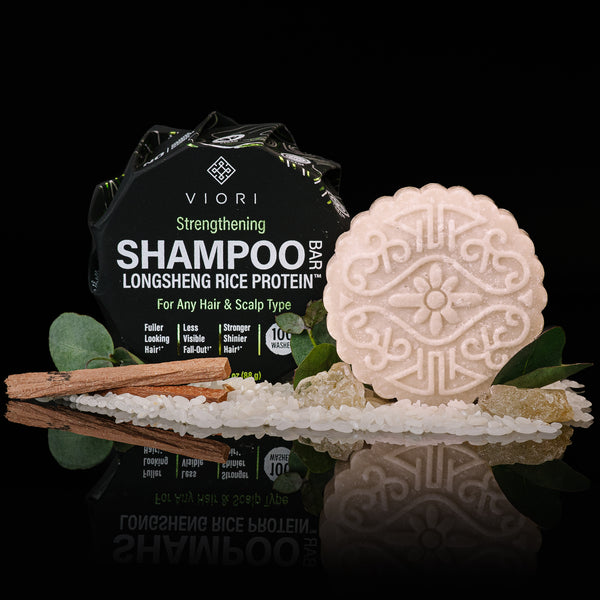
Viori notes they use a low concentration of rice protein, which is relevant because overly strong protein routines can leave some hair feeling rigid or brittle. Moderate, consistent support tends to be easier to tolerate across more hair types, especially when combined with a routine that’s pH balanced and not overly harsh.
Instead of asking, “Does my conditioner have protein?” ask this:
- Is my biggest issue surface friction (frizz, tangles, roughness)?
- Is my biggest issue internal weakness (breakage, elasticity problems)?
- Or do I have both-which is extremely common?
Scalp Treatment and Hair Treatment Aren’t the Same (Stop Treating Them Like They Are)
One reason conditioning gets confusing is that many people have mixed needs: an oily scalp with dry ends, a sensitive scalp with porous lengths, or a scalp that flakes depending on the season. A “hair condition treatment” that ignores scalp comfort won’t feel sustainable, and a scalp-focused routine that overloads the roots can leave hair flat.
Viori’s FAQ draws an important distinction between oil-related flaking and dry scalp concerns, and that split is exactly how pros think. The right approach often isn’t one product-it’s the right placement of products.
If you tend to be oily at the scalp but dry at the ends, it can make sense to use an oil-managing shampoo approach at the roots (many people choose Citrus Yao for this because it contains citric acid, which helps break down oil), then use a more moisturizing conditioner on the ends (often Terrace Garden, Hidden Waterfall, or Native Essence depending on scent sensitivity and hydration needs).
Porosity: The Best Clue You’re Not Using (Yet)
Porosity is your hair’s ability to take in and hold onto moisture. It’s incredibly useful for choosing conditioning strategy, because it tells you whether hair struggles to absorb product, or absorbs easily but can’t hold onto the benefits.
Viori shares a simple porosity test using a strand of hair in a glass of water. It’s not a perfect lab-grade method-product residue and water behavior can skew it-but it’s still a helpful starting point for understanding how your hair tends to behave.
WHAT CUSTOMERS ARE SAYING
Real reviews for Hidden Waterfall Barra de Champú
- Low porosity: resists absorption; can feel coated easily; often does best with lighter conditioning and thorough rinsing.
- High porosity: absorbs quickly but loses moisture quickly; benefits from consistent conditioning, longer dwell time, and gentle handling.
A nuance that doesn’t get talked about enough: high-porosity hair usually responds better to consistency than intensity. One giant “mask day” won’t stick around if the cuticle is leaky. A steady routine often wins.
A Salon-Style Conditioning Plan You Can Follow at Home
If you want a conditioning routine that feels intentional (and gets better with time), follow this structure:
1) Pick your primary goal
- Frizz/tangles: prioritize cuticle smoothing, pH balance, and low-friction technique.
- Breakage/weakness: prioritize consistent support and reduce heat + mechanical stress.
- Flatness/oily roots: lighten conditioning near the scalp; focus conditioning on ends.
- Sensitive scalp: consider an unscented option like Native Essence and keep the routine gentle and consistent.
2) Apply with intention
- Lather shampoo in your hands and cleanse the scalp.
- Use conditioner primarily from mid-lengths to ends.
- Let conditioner sit for 3-5 minutes when hair feels rough or frizz-prone.
- Rinse well, especially if your hair is fine or low porosity.
3) Give it enough time to be fair
Viori recommends using the products for 2-3 months before giving up. That timeline is realistic. True conditioning progress often shows up as less breakage, easier detangling, and a smoother feel that lasts beyond wash day-not just instant softness in the shower.
The Quiet “Saboteurs” That Make Conditioning Look Useless
If you’re doing everything right and hair still feels off, check these common culprits:
- Hard water: minerals can make hair feel dull and resistant to slip, tempting you to over-condition.
- Heat styling: repeated heat increases porosity and frizz over time.
- Mechanical wear: rough towel drying, tight elastics, aggressive brushing when wet.
- Too much friction during washing: especially important for porous or color-treated hair.
When you correct those, your conditioning treatment often starts working the way you expected it to in the first place.
Where Viori Fits Into a Smarter Conditioning Routine
A strong conditioning routine is rarely about chasing the heaviest product. It’s about matching the routine to scalp and hair behavior, keeping pH in a supportive range, and using technique that protects the cuticle. Viori’s approach aligns with that mindset through pH-balanced formulas, a sulfate-free cleansing approach, and options that can be matched to scalp needs (like Citrus Yao for oilier scalps and Native Essence for fragrance sensitivity).
If you want the biggest improvement with the least effort, start here: reduce friction, condition where you need it most, and stick with the routine long enough to see the cumulative difference.


