
There’s nothing like the satisfaction of whipping up your own hair care potion in the kitchen. From Instagram to Pinterest, homemade shampoo recipes are everywhere-oats, castile soap, honey, baking soda, you name it. Who wouldn’t want healthy hair using fresh, natural ingredients right out of the pantry?
But after two decades behind the chair and lots of real-world results, I can tell you: when it comes to shampoo, science matters just as much as nature. Most blogs stop at “natural is best”-but the real story is much deeper. If you’re serious about hair health, read on for the side of DIY shampoo that’s rarely discussed, but makes all the difference!
NOT SURE WHICH PRODUCT IS RIGHT FOR YOU?
TAKE THE QUIZTakes 30 seconds · 134,000+ customers matched
The Surprising Role of pH in Healthy Hair
Your scalp and strands thrive in a slightly acidic environment-think pH 4.5 to 5.5. Unfortunately, many trendy homemade shampoos (especially those made with castile soap or baking soda) are naturally alkaline, landing somewhere above pH 8.
What’s the big deal? Here’s what happens when your shampoo has the wrong pH:
- Raised Hair Cuticle: Hair feels rougher, gets frizzy, and loses color faster.
- Scalp Disruption: Upsets your skin’s natural barrier, leading to dryness or greasy rebound.
- Long-Term Damage: Split ends and breakage become much more common.
Professional shampoos and high-quality bar formulas (like those from Viori) are purposefully pH-balanced to fit your hair’s natural acidity, ensuring smoothness, shine, and scalp comfort. If you go the homemade route, invest in pH strips-or risk undermining all your good intentions!
Preservation: The Dirty Little Secret
Ever notice how fresh DIY beauty blends can start smelling “off” within days? Anything water-based-aloe, teas, herbal infusions-creates a party spot for bacteria and mold. Without a preservative, your handmade shampoo may turn from nurturing to hazardous before you know it.
Why don’t salon products have this problem? Here’s why:
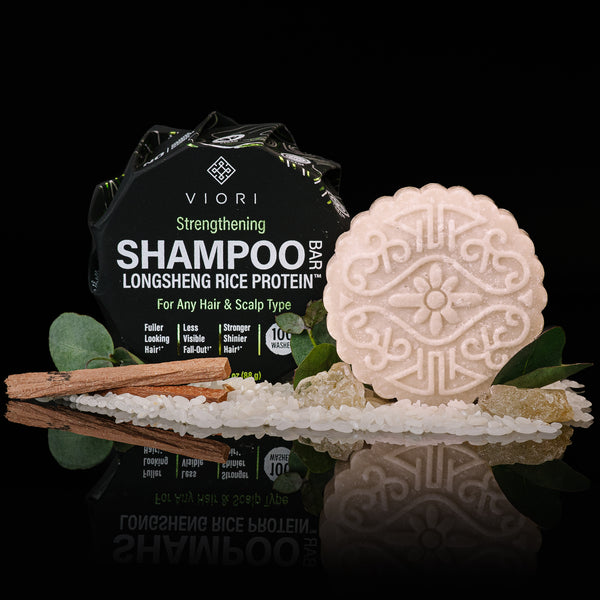
- Solid Bars (like Viori) contain no water at all. That means no microbes-just long-lasting, naturally preserved bars.
- Professional formulas use natural antioxidants and chelators for extra shelf life.
If your recipe includes any water or plant puree, play it safe-make small batches or look into safe preservatives (a topic most blogs never mention but your scalp will thank you for!).
It’s Not About “Just Adding Rice” - Bioavailability Matters!
Rice water rinses, oatmeal soaks, herbal teas-these homemade solutions are everywhere. But there’s a catch rarely mentioned outside cosmetic labs: active ingredients like inositol, panthenol, or hydrolyzed rice protein require specific preparation and extraction methods for real results. Simply soaking herbs or rice doesn’t unlock their true power.
Premium hair care brands use advanced methods to ferment and stabilize these actives for maximum benefit. DIY rinses mostly deliver surface sugars-not the deep nourishment professional bars are designed for.
Chemistry Class, Not Just Cooking Class
Let’s set the record straight: Soap isn’t shampoo. Real shampoo requires a blend of safe cleansers, pH balancers, humectants, and conditioning agents. Mixing castile soap and vinegar, for instance, actually cancels out both ingredients, stripping away cleaning power and destabilizing the formula.
Here’s what the pros do differently:
- Choose gentle, coconut-derived surfactants (like sodium cocoyl isethionate)
- Balance hydration and cleansing-so hair stays clean but never stripped
- Fine-tune every ingredient so hair feels soft, shiny, and manageable
This kind of thoughtful, layered formulation is nearly impossible to recreate at home, no matter how well-intentioned your recipe may be.
Eco-Conscious? Solid Bars Win Twice
It’s easy to think making shampoo at home is more eco-friendly. But solid shampoo bars go even further, offering:
WHAT CUSTOMERS ARE SAYING
Real reviews for Hidden Waterfall Barra de Champú
- Zero plastic packaging-just a biodegradable box
- A long shelf life with no need for harmful preservatives
- Sustainably sourced ingredients (such as Viori’s partnership with the Red Yao community)
You get tradition, advanced formulation, and eco-responsibility-all in one neat bar!
Should You Make Your Own Shampoo?
DIY shampoo can be fun if you love a project and understand the risks. But if you want consistent, safe, nourishing results, here’s what to remember:
- Always check and adjust your pH
- Preserve or use up anything water-based quickly
- Understand which actives can be extracted at home and which simply can’t
Or-for unbeatable results and peace of mind-try a well-formulated, pH-balanced, eco-conscious shampoo bar from a trusted brand. You get the best of nature, science, and sustainability-no chemistry set required!
Final Thoughts from a Pro
Shiny, healthy hair isn’t about guessing or hoping-it’s about knowing how science and ingredients work together. Handmade can be beautiful, but don’t overlook the expert formulation that modern natural brands bring to your shower. If you have questions or want to share your own experiences, drop a comment below. Healthy, happy hair is always worth the extra smarts!


