
“Natural shampoo” sounds like an easy upgrade-cleaner ingredients, healthier hair, end of story. But in the salon, I’ve watched the same switch give one client glossy, bouncy hair and another client a waxy, heavy, “what happened to my roots?” meltdown.
After 20 years behind the chair, here’s the most accurate answer I can give: natural shampoo can be better, but not simply because it’s natural. The real difference comes down to formulation details most people never talk about-pH, the cleanser system, how much conditioning is deposited during washing, and (the big one) your water and your technique.
Before we decide what’s “better,” define what you want
When someone asks me if a shampoo is better, they usually mean one of these outcomes-not a marketing claim.
- Scalp comfort: less itch, less tightness, fewer flakes
- Hair feel: softer lengths, less tangling, less “squeaky” roughness
- Cosmetic results: more shine, better curl definition, less frizz, more volume
- Long-term integrity: less breakage, fewer split ends, improved elasticity
- Color preservation: reduced fading and less roughness on colored hair
- Real-life practicality: easier wash days, fewer extra products, longer time between washes
The truth is, a shampoo can be amazing for one of those and mediocre for another. So the real question becomes: better for who, with what hair, in what conditions?
NOT SURE WHICH PRODUCT IS RIGHT FOR YOU?
TAKE THE QUIZTakes 30 seconds · 134,000+ customers matched
The “natural” label isn’t the deciding factor-pH is
If I could get everyone to pay attention to one technical detail, it would be this: pH influences how your cuticle behaves. A balanced, mildly acidic formula helps hair feel smoother and reduces friction. A formula that leans too alkaline can leave the cuticle more lifted, which often shows up as frizz, tangles, dullness, and faster color fade over time.
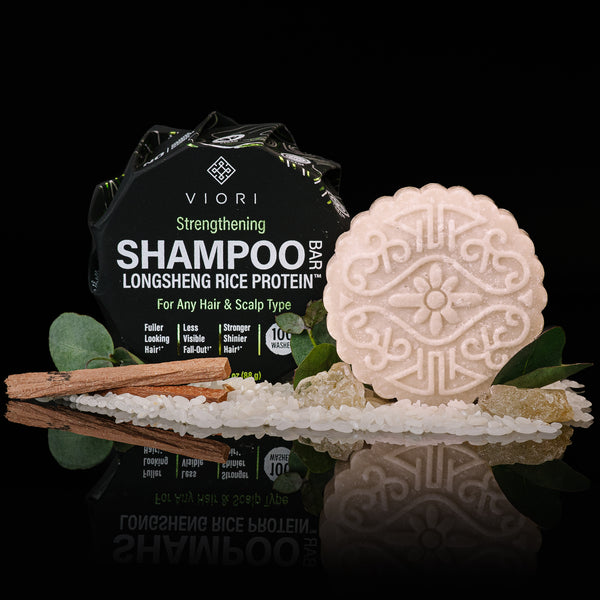
That’s one reason I appreciate that Viori bars are formulated to be pH balanced. It’s not just a nice-to-have-it’s a major part of why hair can look and feel more polished when the routine is consistent.
What really cleans your hair: the surfactant system
Most online advice reduces cleansing to a single talking point, but hair doesn’t work that way. “Sulfate-free” can be helpful, but it doesn’t automatically mean gentle. What matters is the surfactant system-the type of cleanser used, how it’s balanced, and what else is in the formula to protect the hair fiber.
Why Viori’s cleanser choice matters
Viori shampoo bars use Sodium Cocoyl Isethionate (SCI) as the cleanser. In professional terms, SCI is widely known for creating a creamy lather and being milder than many high-detergency cleansers while still cleaning effectively. That’s a big reason some people notice they get a clean scalp without that stripped, rough feeling through the lengths.
The most overlooked variable: hard water
This is the part I rarely see explained well online, and it’s why two people can use the “same” natural shampoo and have completely different experiences.
Hard water contains minerals that can interact with oils and residues. When the conditions are right, it can create a feeling clients describe as “waxy,” “coated,” “heavy,” or “my hair never feels clean.” People blame the shampoo, when the real issue is often water chemistry + routine.
If you suspect hard water, here are the signs I listen for in a consultation:
- Hair feels dull or stiff even right after washing
- Roots get heavy fast, but ends still feel dry
- Product seems to “sit” on the hair instead of absorbing or rinsing away
This doesn’t mean you can’t use a shampoo bar (or a natural-leaning formula). It means you may need smarter technique and occasional routine tweaks.
Bars add another layer: friction (and friction is not harmless)
Shampoo bars are fantastic-less plastic, less clutter, and they can perform beautifully. But they do require one thing liquid shampoo usually hides: good application technique.
Here’s the simple version: rubbing a bar directly on your hair can create extra friction, especially through the mid-lengths and ends. Wet hair is more vulnerable, and extra friction can mean tangling, roughness, and breakage over time. It can also be rough on color-treated hair if you’re repeatedly abrading the cuticle.
The technique I recommend (and why it works)
Viori’s guidance aligns with what I teach clients: build lather in your hands and apply with your fingers rather than dragging the bar over your head. It’s a small change that can make a huge difference in how your hair behaves after the rinse.
- Wet hair thoroughly (more than you think you need).
- Rub the bar between your palms to create lather.
- Massage the lather into the scalp with fingertips.
- Let the runoff cleanse the lengths-don’t scrub the ends like laundry.
- Rinse well, then follow with conditioner where you need it most.
Rice water isn’t automatically better in higher doses
Rice water is everywhere online, and DIY trends often push the idea that more concentration and more frequency equals better results. In practice, hair loves balance.
Viori notes they use a lower concentration of fermented Longsheng rice water because using rice water at very high concentration too often can disrupt the hair and scalp’s pH for some people. Their approach is designed to support the benefits people want-strength, shine, scalp comfort-without pushing the routine into “too much of a good thing” territory.
So who tends to do best with a natural shampoo routine?
Instead of a blanket yes or no, here’s how I break it down in the chair.
If your scalp is dry, reactive, or fragrance-sensitive
Gentler formulas and fragrance-free options can be a real relief. Viori’s Native Essence is unscented and often a smart starting point for clients who don’t tolerate added fragrance well.
If your scalp runs oily (or oily roots with dry ends)
You need effective cleansing at the scalp without overworking the ends. Viori often recommends Citrus Yao for oilier scalps, partly because it includes citric acid, which helps break down oil. If your roots are oily but your ends feel thirsty, it’s also completely reasonable to cleanse the scalp thoroughly and then condition only from mid-lengths to ends.
If your hair is high-porosity or damaged
High-porosity hair tends to tangle more easily and lose moisture faster. For these clients, “better” usually means minimizing friction, staying consistent with conditioner, and choosing formulas that support manageability. Viori bars include ingredients like hydrolyzed rice protein and conditioning components that many people find helpful for a smoother feel.
WHAT CUSTOMERS ARE SAYING
Real reviews for Hidden Waterfall Barra de Champú
Don’t skip the conditioner and blame the shampoo
This is one of the most common mistakes I see when someone says a shampoo “didn’t work.” Cleansing removes some of your natural protective oils, and hair can feel exposed afterward-especially if it’s long, lightened, curly, or heat-styled.
Viori explains it well: conditioner is positively charged, so it clings to the hair fiber and helps protect and smooth the strand. In everyday terms, it replaces slip and softness while your hair finds its balance again.
Final verdict: is natural shampoo better?
It can be-when the formula is well-designed and the routine fits your hair, scalp, water, and technique.
If you want a simple way to think about it, judge your shampoo by what actually changes your results:
- pH balance (cuticle smoothness and scalp comfort)
- Cleanser system (effective cleansing without harshness)
- Low-friction washing habits (especially with bars)
- Smart conditioning placement (scalp vs ends)
- Water conditions (hard water can change everything)
And if you’re choosing within Viori, a straightforward starting point is:
- Citrus Yao: often best for normal-to-oily scalps
- Terrace Garden or Hidden Waterfall: great options for normal-to-dry scalps
- Native Essence: the unscented choice for sensitive scalps or fragrance avoidance
If you’re still on the fence, start with the question your hair answers honestly: How does it feel on day two? That’s where the real story shows up-shine, bounce, scalp comfort, and whether your routine is working with your biology or fighting it.


