
Picture this: Six months ago, you found your perfect shampoo. Your hair was bouncy, shiny, and behaved beautifully. But lately? It feels heavy, looks dull, and loses its style by lunchtime. You haven't changed anything, so what gives?
After 20 years behind the salon chair, I can tell you exactly what's happening-and it's not what you think. Your hair isn't rejecting your shampoo, and the formula hasn't changed. What you're experiencing is what I call the "shampoo plateau," and understanding the science behind it will completely transform how you care for your hair.
The Truth About Product Buildup (Even With Natural Products)
Let's address the elephant in the room: Can natural, clean products really cause buildup? The short answer is yes-but not in the way most people think.
Your hair doesn't become "immune" to ingredients. Instead, something more complex is happening at the microscopic level. Every time you wash, tiny particles bond to your hair's cuticle scales. With quality natural formulations like Viori's rice-based shampoo bars, these particles are beneficial-proteins that strengthen, oils that nourish, nutrients that repair. But here's the catch: over 6-8 weeks of consistent use, these beneficial layers compound, creating what I call a "molecular memory" on your hair shaft.
Think of it like this: The first coat of paint goes on smooth and transforms the wall. But keep adding coats without prep, and eventually you're just adding weight without benefit.
What's Really Accumulating On Your Hair
At a technical level, three types of buildup can occur simultaneously:
Conditioning agents (even natural ones) carry positive charges that magnetically bond to your hair's negative charge. These create smoothness and shine, but layer upon layer eventually prevents new applications from reaching the hair shaft.
Proteins and nutrients penetrate damaged areas of your cuticle-which is wonderful-but some remain on the surface. Rice protein, for example, is exceptional for strengthening hair, but over weeks of daily use, you can create a protein-rich film that makes hair feel stiff.
Natural oils and sebum from your scalp mix with product particles, creating a complex coating that becomes increasingly difficult to rinse away completely.
NOT SURE WHICH PRODUCT IS RIGHT FOR YOU?
TAKE THE QUIZTakes 30 seconds · 134,000+ customers matched
None of this is harmful, but it does explain why your once-perfect routine stops delivering the results you love.
The Scalp Factor: Your Microbiome Needs Variety Too
Here's the angle most beauty advice completely misses: Your scalp is a thriving ecosystem hosting billions of beneficial bacteria and fungi that directly impact hair health. And just like your gut microbiome thrives on dietary diversity, your scalp microbiome benefits from product variation.
When you use the same shampoo formulation for months, your scalp's microbial population adapts to accommodate that specific pH and ingredient profile. This is particularly relevant with pH-balanced natural products. For instance, Viori's bars maintain a pH between 3.5-6.5-ideal for hair health. After several months, however, your scalp microbiome becomes optimized for this exact environment.
This isn't a bad thing! But it does mean you've reached equilibrium. Those dramatic "wow" results you experienced initially? They came from disrupting an old pattern and establishing a healthier one. Once you're in the new steady state, visible improvements plateau.
The Shampoo Break Timeline: When to Reset
Based on hair science and molecular studies, here's what's actually happening to your hair over time:
Weeks 1-2: The honeymoon phase. Products coat your hair in beneficial ways-proteins fill in damaged cuticle areas, oils provide slip and shine, nutrients penetrate the cortex. Your hair looks amazing.
Weeks 3-6: The sweet spot. New applications maintain beneficial coating without excessive buildup. This is your hair performing at its absolute best.
Weeks 7-10: The saturation phase. Hair cuticles have reached maximum absorption capacity. New applications start sitting on the surface rather than integrating into the hair shaft.
Week 11+: Diminishing returns. You're adding layers upon layers with decreasing benefit and increasing weight. This is when clients tell me "my shampoo stopped working."
This science-based timeline is why I recommend a shampoo break every 8-10 weeks for most hair types. You're intervening right before you hit that diminishing returns phase.
The Professional Reset Protocol: How to Actually Do a Shampoo Break
Forget generic advice about simply "switching products." Let's talk about the technical approach that actually works.
Phase 1: The Gentle Disruption (Week 1)
The goal isn't to strip your hair with harsh detergents. Instead, we're carefully disrupting accumulated layers while preserving your hair's health.
The technique: Lower your water temperature. Hot water opens the cuticle aggressively, but warm-to-cool water opens it just enough for effective cleansing without shocking the hair shaft. When you apply your shampoo bar, let it sit for 2-3 minutes before rinsing. This extended contact time allows the cleansing agents to work through existing layers.
Pro tip: If you're using shampoo bars, create a rich lather in your hands first, then apply to your scalp. This ensures even distribution and prevents over-application to any one area.
Phase 2: The Microbiome Rebalance (Weeks 2-3)
This is where the science gets fascinating. You're essentially pressing "restart" on your scalp's ecosystem without destroying its beneficial populations.
For dry to normal scalps: Alternate between your regular routine and water-only rinses every third wash. Yes, just water! This gives your scalp's natural sebum production and microbiome a chance to recalibrate without external product influence.
For oily scalps: I know what you're thinking-skip washing? But here's the paradox: excessive cleansing actually triggers more oil production as your scalp tries to compensate. Extend time between washes by just one day, even if it feels uncomfortable initially. Your sebum production will recalibrate within two weeks.
Phase 3: The Reintroduction (Week 4)
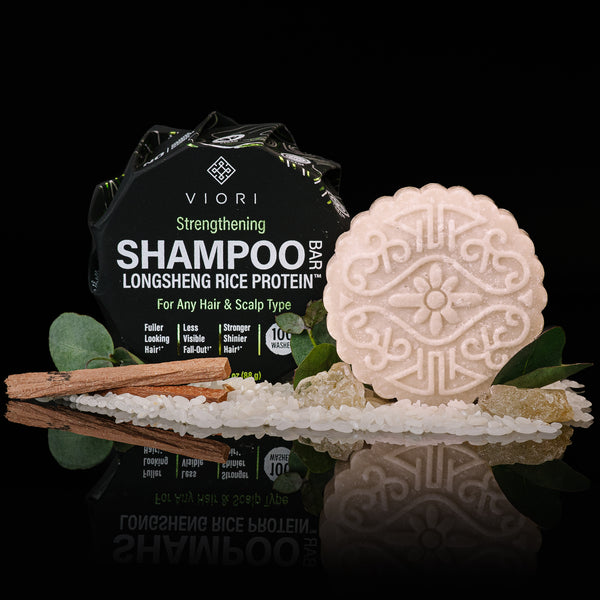
Return to your preferred routine, but with one strategic modification: If you've been using the same scent variant, switch it up. With Viori bars, the core beneficial ingredients (rice water, longsheng rice, natural oils) remain consistent across scents, but the fragrance components and minor scent-specific botanicals create just enough variation to prevent immediate re-saturation.
I often tell clients that switching from Terrace Garden to Citrus Yao or Hidden Waterfall isn't just about enjoying a different scent-it's about giving your hair and scalp a slightly different chemical environment that keeps them responsive and healthy.
The Rice Water Revelation: Ancient Wisdom Meets Modern Science
Since we're talking about rice-based hair care, let's address something crucial that most people don't know: The famous Red Yao women of Longsheng village (whose hair care tradition Viori draws from) don't actually use rice water daily in the way many assume.
Their traditional practice involves rice water treatments every 3-5 days, not daily washing. This detail matters tremendously.
Rice protein is incredibly beneficial-it contains amino acids that strengthen your hair's keratin structure, adds volume, and creates beautiful shine. But here's the technical consideration: protein creates a conditioning film on your hair shaft. One layer is strengthening. Multiple layers over weeks can make hair feel stiff or resistant to styling.
The solution: Even when using protein-rich formulations, incorporate protein-free washes every 7-10 days. This doesn't mean abandoning your rice-based bars. It means occasionally doing a conditioner-only wash or even just a thorough water rinse to maintain your hair's protein-moisture balance.
Think of it like your diet: Protein is essential, but you need other nutrients too. Your hair works the same way.
The Porosity Principle: Why Your Hair Type Determines Your Break Schedule
Here's the professional insight that separates generic advice from customized care: Hair porosity-your hair's ability to absorb and retain moisture-dramatically affects how quickly products build up and when you need a reset.
Low Porosity Hair
You have low porosity if: Water beads on your hair's surface, products sit on top rather than absorbing, your hair takes forever to dry, and deep conditioning treatments don't seem to penetrate.
Low porosity hair experiences buildup fastest because the tightly-sealed cuticles prevent absorption. Everything accumulates on the surface. For you, shampoo breaks should happen every 4-6 weeks and focus on gently opening the cuticle to release deposits.
Your reset strategy: Use slightly warmer water during your break period (not hot-just warm), and take advantage of shower steam to help lift surface buildup. The humidity and warmth temporarily open your cuticles just enough to release accumulated products.
Medium Porosity Hair
You have medium porosity if: Your hair generally behaves well, absorbs and retains moisture without much effort, holds styles reasonably well, and looks healthy with basic care.
Lucky you-you've got the "Goldilocks" porosity! Your shampoo breaks can be less frequent (every 8-10 weeks) and are primarily preventive, stopping subtle buildup before it affects performance.
Your reset strategy: Follow the standard three-phase protocol above. Your hair is balanced, so your reset can be straightforward.
High Porosity Hair
You have high porosity if: Your hair absorbs water instantly, dries quickly, tends toward frizz, tangles easily, and you have a history of chemical processing or heat damage.
High porosity hair has gaps and holes in the cuticle layer, so products actually penetrate too well. You're less likely to have surface buildup but more likely to have internal product overload-your hair shaft becomes saturated with nutrients.
Your reset strategy: Your break is less about removing external buildup and more about giving your hair shaft a rest from constant nutrient absorption. Focus on simple, gentle cleansing without adding more "treatment" benefits. Sometimes your hair just needs to be clean, not repaired.
The Protein-Moisture Balancing Act
This is where we get into advanced territory that most DIY hair care misses entirely. Every product has a protein-to-moisture ratio, and your hair needs a specific balance that constantly shifts.
Products rich in rice protein (like Viori's formulations) excel at strengthening hair structure, improving elasticity, and adding volume. But here's what I've learned from two decades of professional experience: Hair health isn't about maximizing one benefit-it's about maintaining dynamic balance.
Too much protein makes hair brittle, stiff, and prone to snapping. Too much moisture makes hair limp, overstretched, and unable to hold style.
Signs you need a moisture-focused break:
- Hair feels rough or straw-like, even when clean
- Excessive breakage and tangles
- Dull appearance despite good care
- Hair "crunches" when you touch it
Signs you need a protein-focused break:
WHAT CUSTOMERS ARE SAYING
Real reviews for Hidden Waterfall Barra de Champú
- Hair feels mushy or gummy when wet
- Stretches excessively without bouncing back
- Won't hold curls or style
- Limp, lacks volume
For those using rice water-based products, most people benefit from a moisture-focused modification every 6-8 weeks. This doesn't mean switching products-it means temporarily shifting the balance.
Try this: During your reset week, use your conditioner bar without shampooing (called "co-washing"), or add a pre-shampoo oil treatment. Even something as simple as applying a few drops of natural oil to damp hair before your regular routine can shift the protein-moisture ratio enough to maintain optimal balance.
The Seasonal Intelligence Approach
Here's something that surprises my clients: Your hair's needs shift dramatically with seasons, yet most people maintain the exact same routine year-round. This creates a constant mismatch between what your hair requires and what you're providing.
Winter: Cold air and indoor heating create low humidity, making hair more porous and prone to moisture loss. This is when moisturizing formulations shine, and you might actually extend time between shampoo breaks to 10-12 weeks. Your hair needs consistency and protection during harsh winter months.
Spring: Increased humidity and temperature fluctuations cause your scalp to produce varying amounts of oil. Your body is recalibrating, which makes this the ideal time for your first major shampoo reset of the year. Work with your body's natural transitions.
Summer: High humidity, sun exposure, chlorine, and salt water create complex challenges. Hair swells from moisture absorption, cuticles open from heat, and UV rays damage protein structures. Summer requires more frequent "mini-breaks"-shorter 3-5 day periods where you simplify your routine or vary your approach weekly.
Fall: Like spring, fall is transitional. Your scalp is recovering from summer stress while preparing for winter dryness. This is your second ideal window for a comprehensive shampoo reset.
I tell clients to think of these seasonal breaks as "tune-ups" for your hair, just like you'd schedule maintenance for your car based on driving conditions.
The Hard Water Challenge: The Silent Product Saboteur
If you live in an area with hard water (water high in minerals like calcium and magnesium), here's a frustrating truth: You could follow every reset protocol perfectly and still struggle with buildup.
Hard water minerals bond to hair proteins and create a film that prevents products from working effectively, no matter how often you switch formulas. It's like trying to paint over rust-the underlying issue sabotages every effort.
How to tell if hard water is your issue: Your hair feels rough or coated even immediately after washing, colors fade quickly, you see white residue on your shower doors, and your hair behaves completely differently when you travel.
The solution: Before your shampoo break, do a mineral-removing pre-treatment:
- Saturate hair with filtered or distilled water (bottled water works)
- Apply your conditioner bar generously-the conditioning agents help bind (chelate) minerals
- Wrap hair in a warm towel for 15-20 minutes
- Rinse thoroughly with cool, filtered water
This simple pre-treatment removes mineral interference so your shampoo break addresses actual product buildup rather than fighting minerals that keep re-depositing.
If hard water is an ongoing issue in your area, consider keeping a gallon of distilled water for your final rinse after every wash. It sounds excessive, but clients who do this report dramatic improvements in hair texture and shine.
Customized Reset Protocols: Choose Your Own Adventure
Rather than following one generic protocol, choose the approach that matches your specific situation:
The Detox Reset
Duration: 2 weeks
Best for: Heavy styling product users, high-pollution environments, or confirmed hard water buildup
- Week 1: Wash with the coolest comfortable water, extend lather time to 3-4 minutes
- Week 2


