
OMO shampoo sounds like one of those wash-day trends that will be gone in a month. But the method has real legs-because it’s not magic, it’s mechanics. OMO simply means Oil (or conditioner) → Mild shampoo → Oil (or conditioner). Done well, it can leave hair cleaner at the roots, softer through the lengths, and noticeably easier to detangle.
Most explanations online stop at “it helps with dryness.” True-but the more useful way to think about OMO is this: it’s a strategy for controlling what happens on the surface of your hair (the cuticle) and your scalp during cleansing. When you get that part right, the results stop being hit-or-miss.
What OMO shampoo actually is (and what counts as “oil”)
OMO is a sequence, not a specific product. The “O” steps can be a light oil, but in a salon setting I usually see the best results when people use a conditioner as their “O.” Conditioner is designed to deposit evenly and rinse predictably, while oils can be more likely to build up-especially if your hair is fine or low-porosity.
NOT SURE WHICH PRODUCT IS RIGHT FOR YOU?
TAKE THE QUIZTakes 30 seconds · 134,000+ customers matched
With Viori, that often looks like using the Viori conditioner bar for both “O” steps and the Viori shampoo bar for the cleansing step in the middle.
The overlooked science: OMO is about surface control, not just “moisture”
The first “O” creates a protective buffer on the lengths
Think of your mid-lengths and ends like a delicate fabric. They don’t need the same level of cleansing as your scalp-and they definitely don’t need extra friction. The first “O” works like a thin buffer that can reduce that squeaky, rough feeling some people get during shampooing.
That matters most if your hair is:
- High-porosity (often from bleach, heat, or environmental wear)
- Long and prone to tangling at the ends
- Color-treated and easily roughened during wash day
- Curly, wavy, or coily and easily dehydrated through the lengths
One important boundary: for many people, the first “O” should stay off the scalp. If you’re prone to oiliness, itch, or buildup, pre-conditioning the scalp can make you feel greasy faster.
The “M” step is scalp cleansing-done with intention
The middle step is where people accidentally sabotage OMO. If you shampoo everything aggressively-roots to ends-you defeat the point. The goal is to cleanse the scalp thoroughly and let the rinse water do the lighter cleansing through the lengths.
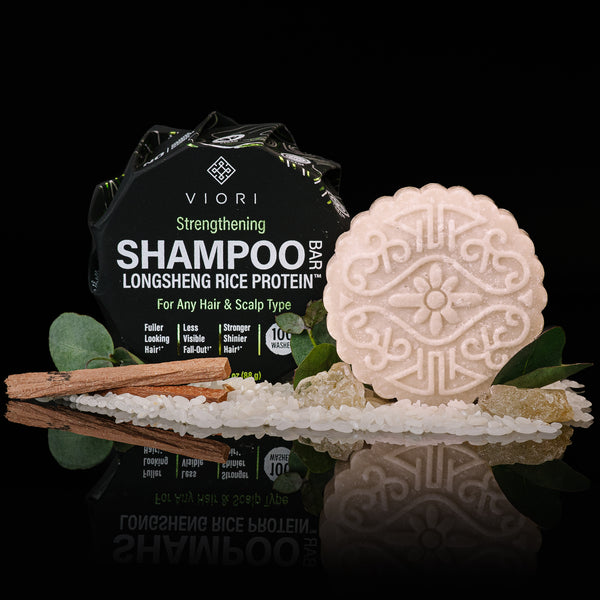
Viori’s shampoo bars use sodium cocoyl isethionate (SCI), a well-known gentle cleanser, and Viori also emphasizes that their bars are pH balanced. That pH piece is not just marketing-hair generally behaves best when products stay in a slightly acidic range. When cleansing runs too alkaline, the cuticle can lift more easily, which shows up as frizz, tangles, and a rough feel over time.
The final “O” is your “slip insurance”
The last step is what makes hair feel like it “falls into place.” Conditioner is typically positively charged, and hair-especially if it’s damaged-tends to carry more negative charge. That attraction helps conditioner deposit where it’s needed most, improving slip and helping the cuticle lie flatter.
Viori explains this in a practical way: washing removes some natural sebum, leaving hair more vulnerable. Conditioner helps provide a temporary protective layer until your natural oils replenish.
Why OMO matters even more with shampoo and conditioner bars
Here’s the detail I wish more people talked about: bars can change your wash day because they can increase friction if you apply them directly to the hair. Friction is one of the fastest ways to rough up the cuticle-especially around the crown, hairline, and ends.
That’s why Viori recommends creating lather in your hands and applying it with your palms rather than rubbing the bar directly on your head, particularly if you’re trying to preserve color. OMO complements that perfectly: you’re basically building a “low-friction” routine from start to finish.
How to do OMO with Viori (simple, precise, and effective)
If you want to try OMO without guessing, follow this structure the first few washes. You can always tweak once you see how your hair responds.
- First “O” (pre-condition the lengths):
Wet your hair thoroughly. Apply the Viori conditioner bar to mid-lengths and ends, then work it through with wet hands. Let it sit for 1-3 minutes (or up to 5 minutes if your hair is very dry or porous).
- “M” (shampoo the scalp only):
Lather the Viori shampoo bar in your hands. Apply that lather to your scalp and massage with fingertips for 30-60 seconds. Let the runoff cleanse the lengths rather than scrubbing them.
- Final “O” (condition again for slip):
Apply conditioner again, starting at the ends and moving upward lightly. Detangle gently, let it sit for 2-5 minutes, then rinse well.
Picking the best Viori bars for your version of OMO
OMO works best when you treat your scalp and your ends like they’re allowed to have different needs-because they usually do.
WHAT CUSTOMERS ARE SAYING
Real reviews for Hidden Waterfall Barra de Champú
- Oily scalp: Viori often recommends Citrus Yao because citrus (and the citric acid in that scent profile) helps break down oil effectively. Keep the first “O” strictly on the ends.
- Dry scalp or dry hair: Viori commonly points people toward Terrace Garden, Hidden Waterfall, or Native Essence for a more moisturizing feel.
- Sensitive scalp or fragrance sensitivity: Native Essence is Viori’s unscented option and is often the gentlest route.
- Oily roots + dry ends (classic OMO hair): Use a more oil-controlling shampoo choice at the scalp (often Citrus Yao), then choose a more moisturizing conditioner for the ends.
When OMO is the wrong move (and how to adjust)
OMO isn’t a universal yes. If your hair is low-porosity and buildup-prone, or very fine and easily weighed down, the first “O” can feel like too much. In that case, try a modified version: skip the pre-condition and just do shampoo + conditioner, or only pre-condition the very last few inches.
Also, if you’re prone to scalp congestion or breakouts, keep oils and heavy conditioning products away from the scalp and focus OMO strictly on the lengths.
How to tell if your OMO routine is working (without overthinking it)
Don’t judge OMO only by “softness” on day one. The best signs are functional:
- Less snagging when detangling wet hair
- Less halo frizz and fewer flyaways as hair dries
- Ends feel smoother and break less during brushing
- Your scalp stays clean for your normal wash interval (no greasy rebound)
If your hair starts to feel waxy, heavy, or dull, scale back the first “O,” rinse more thoroughly, and keep shampoo focused on the scalp.
Final thought
At its best, OMO shampoo is a smart wash-day blueprint: cleanse where you need to, protect where you don’t, and reduce friction everywhere. If you’re using bars, that last point is huge-and it’s one of the reasons OMO can feel like a genuine upgrade instead of just another trend.


