
Rice water has a reputation for giving hair that glossy, slippery “wow” finish-and it’s not just hype. Add orange water (usually a citrus-based rinse or infusion), and suddenly the internet is full of claims about extra shine, a cleaner scalp, and softer lengths.
What’s rarely explained is why this combo can work so well when it works-and why it can also leave hair feeling stiff, coated, or weirdly dry when it doesn’t. The real story is technical but surprisingly simple: rice tends to leave a film, and citrus tends to bring mild acidity. Together, they can act like a “film + set” system that changes how your cuticle lies and how light reflects off your hair.
Let’s walk through what’s actually happening on the hair fiber, which hair types benefit most, and how to get the effect in a more consistent, salon-smart way-without turning your routine into a science fair.
The overlooked idea: “film + set” (not two random hacks)
Most advice treats rice water and orange water like separate tricks: rice for strength, citrus for shine. In reality, the interesting part is how they interact.
NOT SURE WHICH PRODUCT IS RIGHT FOR YOU?
TAKE THE QUIZTakes 30 seconds · 134,000+ customers matched
- Rice water can deposit a lightweight film (from starches and/or proteins).
- Mild acidity from citrus can help the cuticle sit flatter, which changes how that film feels on the hair and how shiny the surface looks.
That “flat cuticle” effect matters because hair doesn’t shine because it’s oily-it shines because the surface is smooth enough to reflect light evenly. When the cuticle is lifted or rough, light scatters and hair looks dull, frizzy, or cloudy.
What rice water really puts on your hair (and why results vary so much)
Rice water isn’t one single ingredient. It’s a variable mixture depending on how it’s made (quick rinse, boiled, fermented), how long it sits, and how concentrated it is. That variability is exactly why one person swears by it and another says it ruined their hair.
1) Starches: the slip-and-shine “coat”
Rice contains starches (like amylose and amylopectin) that can form a soft film on the cuticle. That can help hair feel smoother, detangle more easily, and look shinier because the surface feels more even.
The downside is that film-formers can build up-especially if your hair naturally resists absorption.
2) Protein-like effects: strengthening, but easy to overdo
Depending on preparation, rice water may contribute small protein-like deposits or pair well with rice-derived proteins in formulated products. That can help reinforce fragile areas along the cuticle and reduce snap-off, particularly on hair that’s porous from color, heat, or chemical services.
But protein is a “dose makes the difference” ingredient. Too much too often can tip hair into that stiff, crunchy, brittle zone-especially if you’re not balancing it with enough conditioning slip.
3) Fermentation byproducts: the part most people skip over
Fermentation is where rice water becomes more than “starchy water.” It can increase certain beneficial compounds (including nutrients like inositol (vitamin B8) and panthenol (vitamin B5)) that are widely used in haircare for resiliency and feel.
The catch is that DIY fermentation can swing unpredictably in strength and pH. If you’re repeating strong, inconsistent rinses, you can stress the scalp barrier and leave the cuticle less cooperative over time.
Orange water: it’s mostly about acidity (and that can be your best friend or worst enemy)
“Orange water” can mean a lot of things-diluted orange juice, orange peel steeped in water, or a citrus-acid rinse. From a professional standpoint, the main functional piece is usually citric acid (or an acid-like effect).
Hair behaves differently depending on pH. When products run too alkaline, the cuticle tends to lift and swell. When the environment is gently acidic, the cuticle typically lies flatter, which improves shine and reduces frizz.
- Potential benefits: smoother feel, improved shine, less static, better “slip.”
- Common pitfalls: unknown acidity, scalp irritation, and (if you’re using juice) sugar residue that can leave hair tacky or dull over time.
This is also why people get that story arc of “It worked once and then my hair felt strange.” Consistency matters, and DIY citrus is rarely consistent.
Who this combo is best for (and who should tread carefully)
High-porosity or damaged hair
This hair type often loves the rice + gentle acidity concept because porous hair grabs onto strengthening films more easily, and it benefits from anything that helps the cuticle lie flatter. If you’re frizz-prone or you feel like your ends drink up everything and still feel rough, you’re often in this camp.
Low-porosity hair
Low-porosity hair can look incredible at first-then quickly feel coated. Because the cuticle is already compact, film-formers may sit on the surface and accumulate. If your hair gets weighed down easily, feels “waxy” fast, or hates heavy leave-ins, you’ll want a lighter hand with any DIY coating step.
Oily scalp
Citrus is popular for a reason: acidity can help with oil management when used appropriately. In Viori’s line, Citrus Yao is often the best match for normal-to-oily scalps because it includes citric acid, which helps break down oil effectively.
Sensitive or reactive scalp
This is where I’m most cautious with DIY citrus. Unknown pH plus aromatic compounds (especially from peel infusions) can irritate a compromised scalp barrier. If you’re sensitive to fragrance, Viori’s Native Essence (unscented) is typically the gentlest direction.
The “friction factor”: the biggest reason people accidentally rough up their cuticle
Even if your ingredients are perfect, technique can undo the benefits. Wet hair is more vulnerable, and heavy rubbing increases cuticle wear, tangling, and frizz-especially on color-treated hair.
WHAT CUSTOMERS ARE SAYING
Real reviews for Hidden Waterfall Barra de Champú
Viori’s guidance here is smart: for color-treated hair in particular, build lather in your hands and apply with your palms rather than rubbing a bar directly on your head. Less friction means a calmer cuticle-and a calmer cuticle means better shine and smoother ends.
A more consistent way to get the rice + citrus effect (without guessing your pH)
If you love the tradition but want results you can rely on, the most “professional” approach is using a routine that’s already formulated to deliver rice benefits while staying pH balanced.
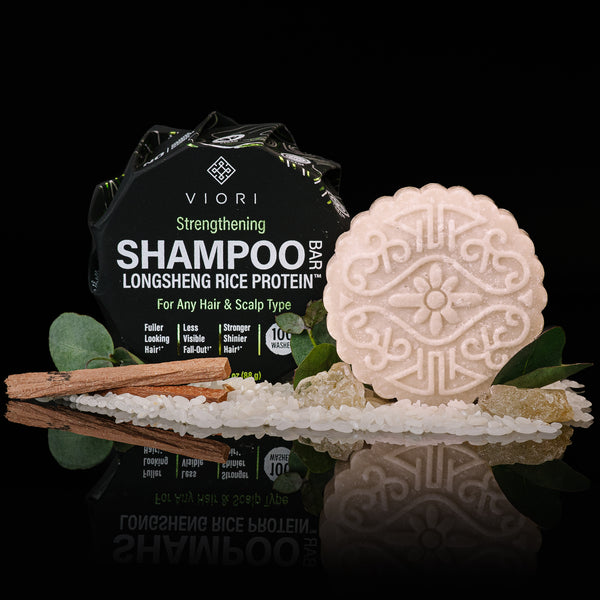
Viori’s shampoo and conditioner bars include Longsheng Rice Water™ alongside supportive ingredients like hydrolyzed rice protein, aloe vera, and bamboo extract. Importantly, Viori uses a lower concentration of rice water than many DIY approaches because high concentrations used too often can disrupt the hair and scalp’s pH. The end goal is similar results-shine, softness, strength-without the “roulette wheel” variability.
How to choose a Viori direction based on scalp needs
- Oily scalp: Citrus Yao shampoo and conditioner
- Oily scalp + dry ends: Citrus Yao shampoo on the scalp, then a more moisturizing conditioner on the ends (like Terrace Garden or Native Essence)
- Dry-to-normal scalp: Terrace Garden, Hidden Waterfall, or Native Essence
- Sensitive scalp / fragrance sensitivities: Native Essence (unscented)
When should you expect results?
Some changes are immediate-slip, shine, softness. Others take time-less breakage, calmer scalp, better manageability. With any new routine, give your hair a fair window to respond. Viori also recommends allowing 2-3 months before giving up, because long-term improvements often show up after consistent use.
Final thoughts
Rice and orange water for hair isn’t mystical-it’s a practical pairing when you understand the mechanics. Rice deposits a film; gentle acidity helps the cuticle lie flatter. That’s the shine story. The problems people run into usually come from uncontrolled concentration, inconsistent pH, sugar residue, and too much friction.
If you want the effect with fewer surprises, keep the routine pH balanced, stay consistent, and match your approach to your scalp type and hair porosity. That’s how you get the gloss-without the crunch.


