
Rice water has earned its reputation for helping hair look thicker, feel stronger, and hold onto length better-but it’s also one of the easiest “natural” treatments to misuse. In the chair, I’ve met people who swear it transformed their hair, and just as many who ended up with crunchy ends, extra tangles, or a scalp that suddenly felt reactive.
The difference is rarely the rice. It’s the details: pH, protein load, how often you use it, and whether you’re supporting your scalp barrier along the way. This guide walks you through the technical side in a way that’s actually practical-so you can use rice water to support “growth” in the way that matters most: less breakage and better retention.
What Rice Water Can (and Can’t) Do for “Hair Growth”
Let’s clear up the biggest misconception: most of the “growth” people see from rice water is really length retention. Your hair grows at the root, but what you notice in the mirror depends on how much length you keep.
NOT SURE WHICH PRODUCT IS RIGHT FOR YOU?
TAKE THE QUIZTakes 30 seconds · 134,000+ customers matched
Used correctly, rice water may help by improving the hair fiber’s feel and resilience, which can reduce breakage over time. The most common benefits people notice are:
- Less breakage (especially during detangling and styling)
- Smoother cuticle behavior (less snagging and friction)
- Better scalp comfort (less dryness-driven itch or irritation for some people)
- Cosmetic fullness (hair can feel thicker from light coating/film)
What it won’t do is override genetics, hormones, or medical hair loss. Think of rice water as a supportive tool-helpful, but not magical.
The Make-or-Break Factor Nobody Explains Well: pH
If you only remember one “technical” thing from this post, make it this: pH can decide whether rice water helps or hurts.
Hair and scalp generally do best in a mildly acidic range. When a product is too alkaline, the cuticle can lift more easily, which often means:
- More roughness and frizz
- More tangling (especially at the ends)
- More friction and breakage
- A scalp that feels tight, itchy, or reactive
This is also why Viori emphasizes that their formulas are pH balanced, and why they use a lower concentration of Longsheng rice water-because high concentrations used too often can throw off your hair and scalp’s balance.
Why DIY Rice Water Can Be Unpredictable
Fresh rice water and fermented rice water aren’t automatically “gentle.” Their pH can shift depending on rice type, soak time, fermentation time, temperature, and storage. That variability is exactly why some people get great results… and others don’t.
Rice Water Acts Like a Strength Treatment (So Overuse Has Consequences)
Rice water isn’t just hydration. It can behave like a strengthening/protein-style treatment depending on how concentrated it is and how often you use it. That’s great when hair needs support-but it can backfire when hair needs softness and flexibility.
Signs You’re Getting Too Much “Strength”
If rice water is pushing your hair into protein overload territory, you may notice:
- Hair feels stiff, hard, or “crispy”
- More tangles even though you’re conditioning
- Ends snapping instead of stretching slightly
- Hair feels dry in a rough, squeaky way (not just “needs moisture” dry)
Who Should Be Extra Cautious?
- Low porosity hair (more prone to buildup and “coating”)
- Hair that already feels strong but brittle
- Anyone who heat styles often and is already battling rough ends
On the flip side, high porosity hair often responds well to controlled strengthening-because it absorbs easily but struggles to retain moisture and integrity.
The Salon-Smart Method: Use Rice Water as a Pre-Shampoo Treatment
If you want the benefit without the common downsides, my favorite approach is simple: use rice water before shampoo, not as an everyday leave-on rinse.
This gives you the smoothing/strengthening effect while reducing the risk of residue buildup that can lead to tangles and stiffness over time.
Step-by-Step: The Pre-Shampoo Rice Water Routine
- Dampen your hair (or apply after a quick rinse in the shower).
- Apply rice water to the scalp and/or mid-lengths to ends (depending on your goal).
- Let it sit for 3-10 minutes. Start shorter the first few times.
- Rinse thoroughly.
- Shampoo as usual.
- Condition well-especially mid-lengths to ends-to restore slip and reduce friction.
This is the method I recommend most often because it supports the “growth” goal that matters: keeping your ends intact.
How Often Should You Use Rice Water?
Frequency is where most people accidentally ruin a good thing. More isn’t better here-more is just more opportunity for buildup, stiffness, and scalp irritation.
- Start at 1x per week for 3-4 weeks.
- If hair feels softer, detangles easier, and breaks less, you can try 2x per week max.
- If hair gets stiff or tangly, scale back to every other week (or pause entirely).
If you’re chasing results, consistency beats intensity every time.
Fermented Rice Water: Effective, But Not “Risk-Free”
Fermentation can increase certain beneficial byproducts, but it also introduces two issues most blogs skip: consistency and scalp tolerance.
Your kitchen isn’t a controlled lab environment. Fermented batches can vary in pH and can become irritating for sensitive scalps. If you’re someone who deals with itching, redness, or frequent flaking, fermented rice water is often where trouble starts.
WHAT CUSTOMERS ARE SAYING
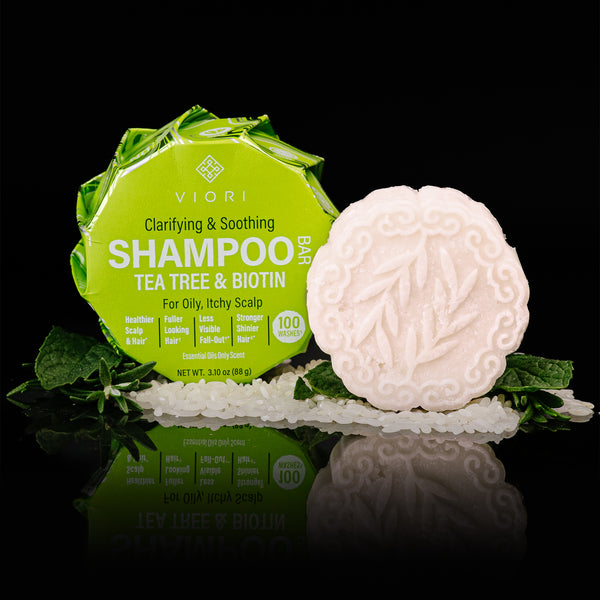
Real reviews for Tea Tree Shampoo Bar – Oily & Itchy Scalp | VIORI
If you still want to ferment, keep it conservative: store it cold, use small batches, discard quickly if it starts smelling sharp or “off,” and always patch test-especially if you’re reactive.
The Scalp Angle That Changes Everything: Calm Scalp, Better Retention
When people feel stuck with “slow growth,” I often find the real problem is a scalp that’s quietly inflamed-tight, flaky, itchy, or reactive. A stressed scalp environment doesn’t support great hair outcomes, even if your lengths are getting all the treatments.
This is where a balanced routine matters. Viori focuses on pH-balanced formulas and uses a lower concentration of Longsheng rice water specifically because overdoing it can disrupt your hair and scalp. If you like the rice water concept but hate the unpredictability of DIY, a controlled, pH-balanced approach tends to be far more user-friendly.
Troubleshooting: When to Adjust Immediately
If Your Hair Starts Feeling Rough or “Crunchy”
- Reduce frequency (don’t push through it)
- Use rice water only as a pre-shampoo step
- Prioritize conditioning for slip, especially on the ends
If Your Scalp Feels Itchy, Hot, or Reactive
- Stop and reassess-irritation is not a sign it’s “working”
- Patch test before trying again
- If you’re scent-sensitive, consider a gentler, unscented direction (like Viori Native Essence)
How Long Until You See Results?
Some people notice changes fast-mostly in softness, shine, and detangling. But for true “growth” outcomes (meaning less breakage and better length retention), give it time. 2-3 months is a realistic window to judge whether your routine is helping, especially if you’re also correcting dryness, friction, or scalp irritation.
The Takeaway: Treat Rice Water Like an Active, Not a Harmless Rinse
Rice water can absolutely be part of a growth-supportive routine-but it works best when you respect the science behind it. Keep the dose reasonable, watch the pH risk, avoid daily overuse, and always follow with smart conditioning to keep friction low.
If you want the benefits without the DIY guesswork, a pH-balanced, consistently formulated option that uses rice water in a safe concentration-like Viori-is often the easiest way to get steady, predictable results.


