
When someone tells me they want a safe organic shampoo, I always ask one question first: “Safe for what-your scalp, your hair, your color, or the planet?” Because those are related, but they’re not the same thing. And the part nobody warns you about is that “organic” on its own doesn’t guarantee a shampoo will be gentle, non-irritating, or even good for your hair long-term.
After two decades of working hands-on with every hair type you can imagine, I’ve learned that shampoo safety isn’t a vibe-it’s chemistry, mechanics, and consistency. The best products are the ones that respect your scalp barrier, keep the hair cuticle calm, and don’t force you into a cycle of stripping and overcompensating.
Below is the stylist-level, science-first way to think about safe organic shampoo-without getting lost in marketing language. I’ll also show you how Viori fits into that framework, since it’s one of the few bar formats that addresses the most important technical details.
First, define “safe”: ingredient safety is only part of the story
Most articles stop at ingredient lists: what’s “clean,” what’s “toxic,” what’s “natural.” That matters, but it’s incomplete. In real life, a shampoo is “safe” if it does three things reliably:
NOT SURE WHICH PRODUCT IS RIGHT FOR YOU?
TAKE THE QUIZTakes 30 seconds · 134,000+ customers matched
- Keeps your scalp comfortable (no itching, burning, tightness, or flare-ups)
- Protects the hair fiber (less friction, less tangling, less breakage)
- Works long-term (no buildup spiral, no oil rebound, no constant product switching)
The twist? A formula can be packed with plant-based ingredients and still fail all three-especially if the pH is off or the cleanser system is too aggressive for your scalp type.
The most overlooked safety issue: pH and cuticle behavior
If you take only one technical point from this post, make it this: pH balance is a big deal. Hair is a keratin fiber with a protective outer layer (the cuticle) that behaves differently depending on pH. When products are too alkaline, the cuticle tends to lift and stay rougher, which can lead to:
- More frizz and flyaways
- More tangles (especially when wet)
- More breakage from friction
- Faster color fading (lifted cuticle = dye escapes more easily)
In everyday haircare, you generally want products to live in a mildly acidic window. Viori calls out that its bars are pH balanced, which is one of the most meaningful “safety” claims you can make for hair integrity over time.
“Sulfate-free” is not a complete safety test-focus on the cleanser system
Shampoo works because of surfactants (cleansing agents). The real question isn’t whether a shampoo is “organic” or “sulfate-free.” The real question is: does it cleanse effectively without hammering your scalp barrier or roughing up your cuticle?
Viori uses Sodium Cocoyl Isethionate (SCI) as the cleanser in its shampoo bars. In the professional world, SCI is widely considered a mild but effective cleanser-often chosen when you want good lather and good rinse-off without the harsh, squeaky feel that can push people into over-washing.
That matters because the “unsafe” part of many shampoos isn’t dramatic irritation. It’s the slow stuff: dryness that creeps in, frizz that builds over weeks, and that scalp pattern where you feel greasy faster because you were stripped too hard the last wash.
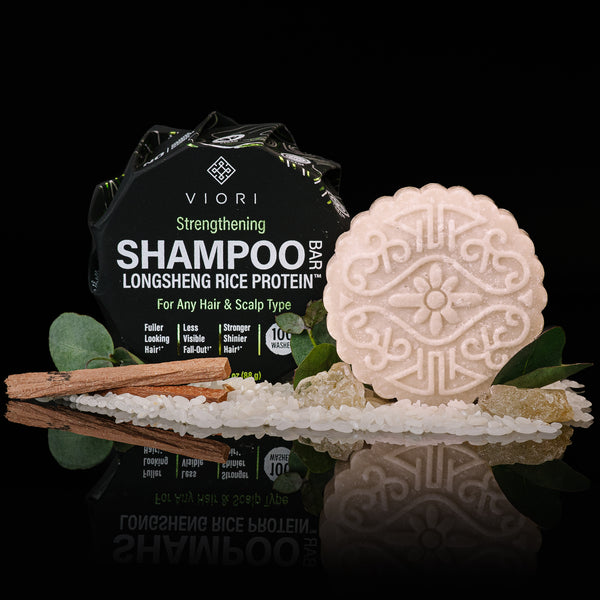
The “bar shampoo” safety issue no one talks about: friction damage
Here’s a salon truth: a ton of damage happens in the shower, not under a blowdryer. Wet hair is fragile. If you add tangling, scrubbing, and friction, you’re basically stress-testing the cuticle at its weakest moment.
Bars can be amazing-but the format can encourage people to rub the bar directly onto the hair, which increases friction and can lead to more tangles and breakage. Viori’s own guidance for color-treated hair is aligned with what I recommend to clients in general: lather in your hands first, then apply with your fingers rather than rubbing the bar directly on your head.
“Organic” can still irritate: fragrance and botanicals are frequent triggers
This part surprises people: some of the most common irritation triggers in haircare come from the “natural” side of the world-particularly fragrance components and certain botanical extracts. If your scalp is reactive, flaky, tight, or easily inflamed, adding more aromatic ingredients can be like adding extra variables to a problem you’re trying to simplify.
If you’re aiming for the lowest-drama option, an unscented formula is often the smartest starting point. Viori’s Native Essence is their unscented option (no added fragrance), and it’s the one I’d typically point to first for sensitive scalps.
Rice water: the “safe” version is the controlled version
Rice water gets talked about online like it’s automatically gentle because it’s traditional. But DIY rice water can be unpredictable-especially when fermentation time, concentration, and pH aren’t controlled. Overdoing it can leave some people feeling dry, stiff, or irritated.
Viori uses Longsheng rice water™ in a lower, pH-balanced concentration. The brand also notes that very high concentrations used too often can disrupt hair and scalp pH. That’s exactly the kind of nuance I wish more “clean beauty” conversations included: sometimes the safety isn’t about the ingredient-it’s about the dose and the stability of the formula.
Protein safety: strengthening without the “crunchy” feeling
Protein can be a game-changer, but it’s easy to overdo. Too much protein too often can make hair feel stiff and brittle-especially if your hair is already low porosity or not particularly damaged.
Viori includes hydrolyzed rice protein and notes that it’s used in a low concentration, designed to be safe for frequent use. From a stylist’s point of view, that’s important: balanced protein support can help with strength and shine without pushing hair into that rigid, straw-like zone.
Match “safe” to your scalp type (this is where results actually come from)
The safest shampoo is the one that fits your scalp’s oil pattern and your sensitivity level. Here’s a simple way to identify your scalp type based on how quickly oil returns:
- Oily scalp: feels oily again 1-2 days after washing
- Normal scalp: feels oily around day 3
- Dry scalp: can go 4+ days before oil shows up
Viori’s recommendations follow a practical logic that I use in the salon, too:
WHAT CUSTOMERS ARE SAYING
Real reviews for Hidden Waterfall Barra de Champú
- Oily scalp: Citrus Yao is often recommended; its citrus/citric-acid angle is positioned to help break down oil more effectively.
- Dry-to-normal scalp: Terrace Garden or Hidden Waterfall are commonly chosen for a more moisturizing feel.
- Sensitive scalp: Native Essence (unscented) is typically the most cautious place to start.
And if you’re in the very common “oily scalp, dry ends” category, treat your hair like two zones: cleanse for the scalp you have, condition for the lengths you want.
A stylist’s quick checklist for a truly safe organic shampoo
If you’re evaluating options and want a fast, real-world filter, use this checklist. A shampoo that hits these points is far more likely to be “safe” in the way your hair actually experiences it:
- pH balanced (cuticle behaves better, color tends to last longer)
- Mild, effective cleanser (cleans without triggering tightness or rebound oil)
- Low-friction wash experience (less tangling, less breakage)
- Low residue (buildup can dull shine and mimic flakes)
- Protein in moderation (strength without stiffness)
- Unscented option if you’re sensitive (fewer triggers, easier troubleshooting)
How long should you test before you decide?
Hair and scalp don’t always respond overnight. Some changes (softness, shine, “clean” feel) can show up fast, but stability takes time-especially if you’re recovering from harsh cleansing or chronic irritation. A realistic timeline looks like this:
- 1-3 washes: immediate feel (softness, slip, scalp comfort)
- 2-8 weeks: less breakage and frizz, more consistent oil balance
- 2-3 months: fair assessment window for longer-term scalp normalization and hair quality
Viori also recommends giving it about 2-3 months before giving up, and that’s a reasonable benchmark if your goal is long-term improvement rather than a one-wash illusion.
Bottom line: “safe” is a system, not a slogan
If you want a safe organic shampoo routine that holds up over time, prioritize the unglamorous stuff: pH balance, gentle-but-effective cleansing, low friction, and fewer irritation triggers. That’s the difference between a shampoo that sounds good on paper and one that actually makes your hair and scalp feel better week after week.
If you’re using Viori, my biggest tip is simple: lather in your hands first, then apply. You’ll get the benefits while keeping friction-one of the sneakiest sources of damage-as low as possible.


