
When you type “scalp bar near me” into a search bar, you’re not really shopping-you’re troubleshooting. You want relief from oily roots, stubborn flakes, itch, irritation, or that frustrating feeling that your scalp is never quite clean no matter what you do.
After 20 years of working with real scalps (not just product promises), here’s what I can tell you: the “best” scalp bar isn’t the one closest to your zip code. It’s the one that matches your scalp’s biology-and it’s used with the right technique. That combination is what turns a bar from “meh” into a game-changer.
The detail most people miss: a scalp bar is a micro-dosing system
Liquid shampoo is predictable-one pump is one pump. A bar is different. Every wash can deliver a different “dose” depending on how you use it and what’s happening in your shower environment.
The amount of cleansing and conditioning you get from a bar changes based on:
NOT SURE WHICH PRODUCT IS RIGHT FOR YOU?
TAKE THE QUIZTakes 30 seconds · 134,000+ customers matched
- How long you rub the bar or build lather
- How much water is on your hair and hands
- How much friction you create on the scalp
- Whether your water is hard or soft
- Whether the bar fully dries between washes
That’s why two people can use the same bar and have totally different experiences. It’s also why “near me” doesn’t automatically mean “right for me.”
Step one: figure out what you’re treating (because “dandruff” isn’t one thing)
Most shoppers say they want a scalp bar for dandruff, but that word gets used for different scalp situations that need different approaches. If you treat the wrong problem, you can accidentally make things worse.
Oily scalp flaking
This is common when oil returns fast and the scalp feels heavy or greasy. You may notice larger flakes that cling more than they float, plus a “waxy” scalp smell by day two.
Your goal: remove oil effectively without stripping so hard that your scalp rebounds by producing even more oil.
Dry scalp flaking
This tends to show up as tightness, itch, sensitivity, and smaller flakes that look powdery. The scalp doesn’t feel oily until several days after washing.
Your goal: cleanse gently and support the scalp barrier so it stops acting inflamed and reactive.
The pH trap: why some bars leave hair rough and scalps cranky
Here’s the uncomfortable truth: not every bar sold for hair behaves like a true shampoo bar. Some are more “soap-like,” and that often means a more alkaline environment. Over time, that can lift the cuticle, increase tangling, and make hair feel dry or frizzy-especially if your scalp is already irritated.
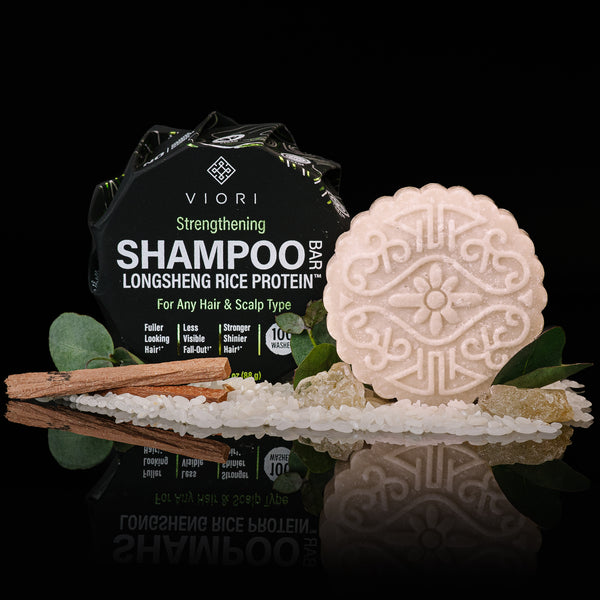
Viori specifically emphasizes that hair products perform best when they are pH balanced, and notes that hair-friendly products typically fall between pH 3.5 and 6.5. That range helps keep the cuticle behaving and the scalp feeling comfortable.
If you’re hunting locally, look beyond buzzwords. The best scalp-bar experience usually comes from a bar that’s designed like modern haircare, not a traditional soap format.
Clean doesn’t have to mean harsh: the cleanser matters
A good scalp cleanser needs to lift real-life buildup-sebum, sweat salts, styling residue, environmental grime-without setting off irritation. That “squeaky clean” feeling some people chase can actually be a warning sign that the scalp barrier got hit too hard.
Viori uses Sodium Cocoyl Isethionate (SCI) as its cleanser, which is widely known in the industry for being effective while still on the gentler side when formulated well. In plain English: it can clean thoroughly without turning your scalp into a tight, itchy mess.
Conditioner isn’t optional if you want consistent results
A lot of people trying bars want to simplify, so they skip conditioner. But here’s what happens technically: cleansing removes some of the hair’s natural protective oils, and the strand is more vulnerable to friction, heat, and day-to-day wear. Conditioner helps replace that slip and protection while your natural oils rebalance.
Viori explains it well: conditioner ingredients are often positively charged, which helps them adhere to hair and support manageability after washing.
One ingredient you’ll see in Viori conditioner bars is Behentrimonium Methosulfate (BTMS). Despite the confusing name, it’s used in haircare as a conditioning agent to improve slip and softness. It’s also one reason many people notice their hair feels smoother without needing silicone-based coatings (and Viori bars are silicone-free).
The friction factor: the technique that protects your scalp (and your color)
Bars introduce something liquid shampoo doesn’t: friction. Too much friction can irritate the scalp and rough up the cuticle-especially if you rub the bar directly on your head like you’re scrubbing a stain out of fabric.
Viori recommends a smarter approach, especially if your hair is color-treated: lather in your hands, then apply with your fingers rather than rubbing the bar directly on the scalp. This gives you cleansing where you need it, without the extra abrasion that can contribute to tangling and fading.
How to choose a Viori scalp bar based on scalp behavior
Forget choosing by hairstyle goals for a moment (“I want shinier hair”). Pick based on what your scalp does between washes.
WHAT CUSTOMERS ARE SAYING
Real reviews for Hidden Waterfall Barra de Champú
- If your scalp is oily or gets greasy fast: Viori commonly recommends Citrus Yao, and notes that citrus-related components help break down oil more effectively.
- If your scalp runs normal-to-dry: Terrace Garden or Hidden Waterfall are often recommended for more moisture support.
- If you’re sensitive or prefer no added fragrance: Native Essence is Viori’s unscented option and is typically the gentlest choice.
And if you’re in the very common “oily roots, dry ends” camp, a split routine can be your best friend: focus the shampoo choice on the scalp’s needs, then choose a conditioner that supports your ends without weighing down the root area.
“Near me” still matters for one reason: storage changes performance
If your bar sits in water or stays damp 24/7, it softens, dissolves faster, and can feel like it’s leaving a film-when what’s really happening is you’re unintentionally over-applying each wash.
To get consistent results, make sure your bar can fully dry between uses. Viori’s holders are designed to help bars air out, and the brand also recommends keeping bars out of direct water contact to extend life and performance.
How long should you give a scalp bar before judging it?
Some people notice a difference immediately, especially if the main issue is oil or heavy buildup. But if your scalp barrier is irritated or your routine has been overly stripping, it can take time for things to normalize.
Viori notes that results vary, and it’s often worth giving a bar 2-3 months to truly evaluate it-particularly if you’re trying to stabilize flakes, dryness, or irritation.
A quick checklist before you buy any “scalp bar near me”
If you want to shop smarter (and waste less money on products that don’t match your scalp), run through this short list:
- Is it designed like a modern shampoo bar (not a soap-style bar)?
- Is it made with hair/scalp pH balance in mind?
- Does it match your scalp behavior (oily, dry, sensitive)?
- Will you use a low-friction method (hand lather, finger application)?
- Do you have a way to keep it dry between washes?
Bottom line
The right scalp bar doesn’t just make your hair look good on day one-it helps your scalp behave better over time. If you choose a bar based on scalp biology, prioritize pH-balanced haircare principles, use low-friction technique, and store it properly, you’ll get closer to that holy grail: a scalp that feels calm, clean, and predictable.


