
People love to talk about scalp bars like they’re just shampoo in a solid shape. But in the salon, I see something more interesting: a bar doesn’t simply change what’s in your wash routine-it changes how cleansing and conditioning physically happen on your scalp. And that one shift explains why some people get the best hair of their life… while others swear bars “don’t work for them.”
The truth is, scalp bars are extremely effective when you understand their strengths: they’re concentrated, low-waste, and often beautifully simple. But they’re also more technique-dependent than liquid products. Once you learn the mechanics (yes, there’s real science here), bars start to feel less mysterious-and a lot more predictable.
What a “Scalp Bar” Really Is (And Why It Matters)
Most people use “scalp bar” to mean a solid cleanser (shampoo bar) and sometimes a matching conditioner bar. What’s easy to miss is that a bar isn’t just a formula-it’s a delivery system. That delivery system changes concentration, spread, and friction, which then changes how your scalp and hair respond.
With a liquid shampoo, the product is already dispersed and buffered in a watery base. With a bar, you create the dilution in real time-with your hands, your water temperature, your scrubbing habits, and how long you work the product.
NOT SURE WHICH PRODUCT IS RIGHT FOR YOU?
TAKE THE QUIZTakes 30 seconds · 134,000+ customers matched
The Scalp-First Perspective: Your Barrier Comes Before Your Hair
Your scalp is skin, not “just the place hair grows from.” It has oil glands, a protective barrier, and its own comfort threshold. When a scalp feels great, hair tends to behave better. When the scalp is irritated, tight, or flaky, styling becomes an uphill battle.
In my experience, many “dandruff” complaints are actually one of two patterns:
- Oily scalp flaking (oil + buildup + an environment that can trigger more flaking)
- Dry/irritated scalp flaking (barrier disruption that feels tight, itchy, or reactive)
That distinction matters because the fix is not the same. One needs better oil management and rinse technique; the other needs gentler cleansing, less friction, and more barrier-friendly support.
The Hidden Physics No One Talks About: “Micro-Dilution Hot Spots”
This is the part I wish more people explained. When you rub a bar directly on your scalp, you can accidentally create tiny areas of very concentrated cleanser-usually along the hairline, crown, and part. I call them micro-dilution hot spots.
Those hot spots can lead to confusing results, like:
- Hair feeling squeaky or tight at the top, but still oily underneath
- Random itchiness in specific areas (not the whole scalp)
- Tangles and roughness near the crown
- Color fading faster if you’re scrubbing aggressively
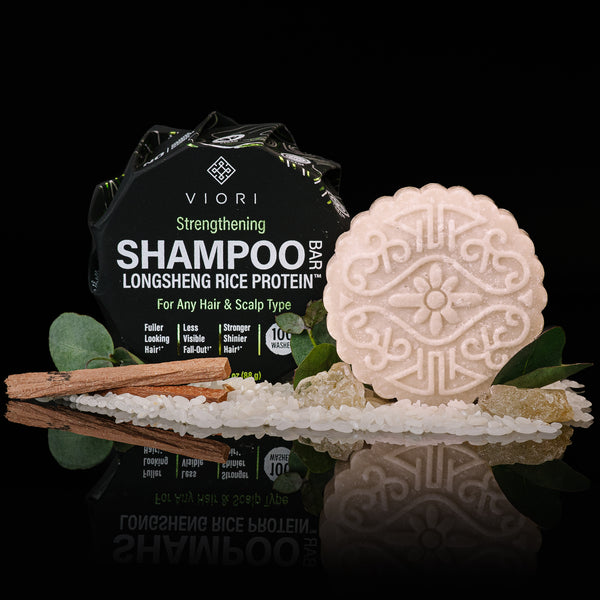
One of the most practical tips from Viori’s guidance is also one of the most effective professional adjustments: build lather in your hands first, then apply that lather to the scalp. It instantly evens out concentration and lowers friction.
Why pH Quietly Makes or Breaks a Bar Experience
When hair products drift too alkaline, hair can feel rougher, frizzier, and harder to detangle. The scalp can also feel tight or irritated, especially if you’re sensitive. Viori notes that hair products generally perform best within a pH range of about 3.5-6.5, and they formulate their bars to be pH balanced.
Here’s the nuance: even with a well-formulated bar, technique still matters because your method changes how concentrated the product sits on the scalp before it disperses. In other words, bars can be gentle-but they’re also honest. They won’t always “forgive” heavy-handed application.
“Sulfate-Free” Isn’t the Whole Story-The Cleanser System Matters
It’s tempting to reduce everything to a single label, but scalp comfort is about the entire cleansing system: surfactant choice, supporting ingredients, pH balance, and how you apply it. Viori uses Sodium Cocoyl Isethionate (SCI), a mild cleanser derived from coconut that’s often praised for creating a creamy foam without the harsh feel many people associate with stronger cleansers.
Still, a key reality remains: even a mild cleanser can feel intense if you apply it too concentrated, too long, with too much friction. So if you’ve ever tried a bar and felt “stripped,” that may be a technique issue-not a bar issue.
Conditioner Bars Are Deposition Technology (Not Foam Technology)
A good conditioner bar isn’t meant to foam. It’s designed to deposit conditioning ingredients where hair needs them, improve slip, and reduce friction damage. Viori explains that their conditioner lather will look more paste-like than sudsy-and that’s exactly what you want from this kind of product.
Viori’s conditioner includes Behentrimonium Methosulfate (BTMS), a conditioning agent known in professional circles for helping with:
- Slip (easier detangling)
- Smoother feel and less roughness
- Cuticle support (helping hair lie flatter)
- Breakage reduction by lowering combing friction
And yes-whether conditioner belongs on your scalp depends on your scalp type. Many oily scalps do best keeping conditioner mid-length to ends. Drier scalps may tolerate a little closer to the roots, as long as it’s rinsed well and doesn’t weigh hair down.
Friction: The Bar-Specific Variable That Can Change Everything
Bars naturally invite more rubbing: bar-to-hair contact, extra passes to cover the scalp, more massage. That can be great when done gently, but too much friction can lift the cuticle and create tangles-especially on fine hair, high-porosity hair, or color-treated hair.
Viori specifically recommends for color-treated hair to lather in your palm and apply with your hands rather than rubbing the bar directly on your head. It’s a small change with a big payoff for softness, shine, and color longevity.
Scent and Sensitivity: The Simplest Upgrade for Reactive Scalps
If your scalp is easily irritated, fragrance can be a common trigger. That doesn’t mean scented products are “bad”-it just means sensitive scalps often do better with fewer variables. Viori offers an unscented option, Native Essence, and notes it’s their most gentle choice for sensitive scalp types.
WHAT CUSTOMERS ARE SAYING
Real reviews for Hidden Waterfall Barra de Champú
If you’re dealing with itchiness, tightness, or frequent scalp flare-ups, going unscented can be a smart way to calm the noise and see what your scalp actually needs.
How to Choose a Viori Bar Based on Scalp Pattern (Not Just “Hair Type”)
Instead of guessing, start with your scalp’s timeline. Viori shares a helpful baseline:
- Oily scalp: feels oily 1-2 days after washing
- Normal scalp: feels oily around day 3
- Dry scalp: feels oily 4+ days after washing
From there, Viori’s recommendations are straightforward and practical:
- If your scalp is normal-to-oily, Viori often recommends Citrus Yao (they note it contains citric acid, which helps break down oil).
- If your scalp is dry or sensitive, Viori often recommends Terrace Garden, Hidden Waterfall, or Native Essence (with Native Essence being the unscented choice).
- If you’re oily at the scalp but dry on the ends, Viori suggests a split approach: cleanse the scalp with Citrus Yao, then use a more moisturizing conditioner on the ends (like Hidden Waterfall, Terrace Garden, or Native Essence).
The Technique That Fixes Most Bar Complaints
If I could stand in every bathroom and make just one adjustment, it would be this: stop rubbing the bar directly on your scalp (especially if you’re sensitive, tangly, or color-treated). Use your hands as the “mixing bowl.” You’ll get a more even cleanse and less friction damage.
The Stylist Method: Even Cleanse, Low Friction
- Saturate hair and scalp thoroughly. Bars need water to spread evenly.
- Rub the shampoo bar between wet palms to build lather.
- Apply the lather to your scalp, focusing on the hairline, crown, behind the ears, and nape.
- Massage using your finger pads (not nails) for 30-60 seconds.
- Rinse longer than you think you need. Under-rinsing is a common reason hair feels heavy or “coated.”
- Condition mid-length to ends. Let it sit for a couple minutes if you’re frizz-prone, then rinse well.
Bottom Line: Bars Aren’t Difficult-They’re Just Precise
When scalp bars are done right, they can be one of the most consistent, scalp-friendly routines you’ll ever use. The secret isn’t chasing a magic ingredient-it’s respecting the fundamentals: balanced pH, even dilution, low friction, and smart conditioning placement.
And once you get that combination right, the results tend to speak for themselves: a calmer scalp, cleaner roots that stay fresher longer, and hair that feels softer instead of stressed.


