
If you’ve ever searched for a “hi bar shampoo,” you’re probably not just shopping-you’re troubleshooting. You want the convenience and low-waste appeal of a shampoo bar, but you also want your hair to feel clean, soft, shiny, and easy to detangle… not squeaky, coated, or oddly frizzy.
Here’s what I’ve learned after years behind the chair: shampoo bars can work beautifully, but the bar format changes the entire washing equation. The biggest reason people get wildly different results from the same type of product isn’t “hair type” alone-it’s something most blogs skip.
With a shampoo bar, your technique controls the dose. That one detail explains nearly every love-it-or-hate-it review you’ve ever read.
Not all “shampoo bars” are built the same
First, it helps to understand that the phrase “shampoo bar” gets used for two different categories. They can look similar on the shelf, but the hair feel can be worlds apart.
NOT SURE WHICH PRODUCT IS RIGHT FOR YOU?
TAKE THE QUIZTakes 30 seconds · 134,000+ customers matched
1) Soap-based bars (saponified oils)
These are essentially soap in bar form. The issue is that soap chemistry doesn’t always play nicely with hair-especially in mineral-heavy water.
- They often sit at a more alkaline pH than hair prefers.
- In hard water, they can create mineral “scum” that clings to the hair, leading to dullness and drag.
- Alkalinity can nudge the cuticle to lift, which increases friction-hello tangles and frizz.
2) Surfactant-based shampoo bars (syndet bars)
These are true shampoo formulas in solid form, using cleansing agents that are designed to rinse clean and behave more like a traditional shampoo-just without the bottle.
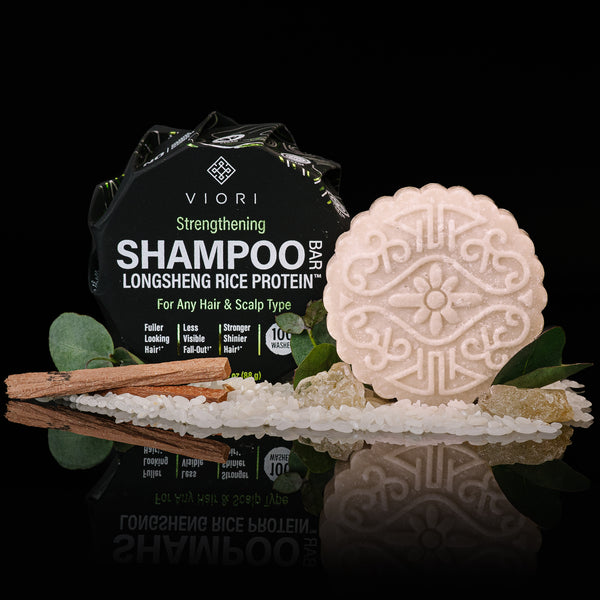
Viori bars fall into this camp. Viori uses Sodium Cocoyl Isethionate (SCI) as the cleanser (it’s known in the industry for being very mild), and their bars are made to be pH balanced-a detail that matters far more than most people realize.
The shampoo-bar issue nobody talks about: dose control
Liquid shampoo is naturally “pre-measured” by the way you use it. With a bar, you’re creating the shampoo on the spot, and the amount you apply changes depending on conditions in your shower and how you handle the bar.
Think about what can change from wash to wash:
- How wet the bar is
- How warm the water is
- How long you rub
- How much pressure you use
- How dense or porous your hair is
Two people can use the same bar and end up with completely different results because they’ve applied completely different amounts of cleanser. If you’ve ever thought, “My scalp feels stripped” or “My ends feel rough,” over-application is often the culprit-not the concept of a bar itself.
Why pH balance changes the way your hair behaves
Your hair is covered in tiny cuticle “shingles.” When those shingles lie flatter, hair reflects more light (shine), feels smoother, and tangles less. When they lift, friction goes up, hair catches on itself, and frizz becomes much easier to trigger.
Viori calls out pH balance as a core part of long-term hair health for a reason. Hair products generally perform best in a mildly acidic to near-neutral range. When products skew too alkaline, hair can feel progressively rougher over time-especially if you already have damage, color, or high porosity.
Hard water + bars: the hidden variable
Even with a well-formulated bar, hard water can change the feel of your wash. Minerals in the water can interfere with rinsing and shift how “clean” or “conditioned” hair feels from root to ends.
There’s also a bar-specific twist: a bar can create a highly concentrated cleanser zone right where it touches your hair before it fully dilutes. In hard water, that can exaggerate drag, create uneven slip, and leave you with that confusing “clean-but-weird” sensation.
The fix is less glamorous than a new product, but it’s effective: pre-lather so you’re applying a more diluted, even mixture from the start.
“Residue” vs “conditioning”: why the same bar gets opposite reviews
One person says a bar leaves buildup; another says it rinses perfectly. Both might be telling the truth-because hair doesn’t interact with conditioning ingredients the same way across the board.
Viori uses Behentrimonium Methosulfate (BTMS) in their conditioning system. Despite the name, it’s not a harsh cleansing sulfate like the ones many people try to avoid. It’s a cationic conditioning ingredient, meaning it carries a positive charge and is attracted to the negatively charged areas of the hair strand (which are more common on damaged or porous hair).
That’s great for slip and manageability, but it also means your “perfect amount” depends on your hair’s needs. If you apply too much (or apply it with lots of friction), the hair can feel overly coated-especially on finer or lower-porosity strands.
Rice water in a bar format: the nuance that matters
Rice water gets talked about like it’s universally gentle, but high concentrations used too often can throw off your hair and scalp’s comfort level-especially if the routine isn’t pH conscious.
Viori addresses this in a smart way: they use a lower concentration of Longsheng rice water because overly concentrated rice water can disrupt hair and scalp pH when overused. Their bars also include other supportive ingredients, including fermented-rice-related components such as inositol (Vitamin B8), panthenol (Vitamin B5), and hydrolyzed rice protein.
One subtle point most people miss: if you’re rubbing a bar directly on your lengths, you’re adding mechanical stress while cleansing. That friction can make ends feel rough-even when the formula itself is well-designed. Technique matters.
WHAT CUSTOMERS ARE SAYING
Real reviews for Hidden Waterfall Barra de Champú
Scent isn’t just scent (yes, it can affect performance)
Most people choose a bar based on fragrance alone, but Viori notes something unusual: Citrus Yao contains citric acid, which helps break down oil more effectively. That’s why it’s often recommended for normal-to-oily scalps or anyone trying to stretch time between washes.
If your scalp leans dry or easily irritated, Viori typically points people toward more moisturizing options like Terrace Garden, Hidden Waterfall, or the unscented Native Essence (especially helpful for fragrance sensitivities).
Color-treated hair: the real risk is friction
When clients worry that shampoo bars will fade their color, I look at application first. With bars, it’s easy to overdo friction. Friction can lift and roughen the cuticle over time, and that can encourage color to release faster-especially if the color is semi-permanent or toner-based.
Viori’s guidance is spot-on here: work up lather in your hands and apply with your palms rather than rubbing the bar directly on the hair. Less friction, more consistency, better odds your color stays looking fresh.
How to use a Viori shampoo bar like a pro
If you want bar results that feel “salon clean” (not experimental), use this method consistently for a couple of weeks before you judge the outcome.
- Pre-lather in your hands. Get the foam going first so you’re not concentrating cleanser in one spot.
- Focus on your scalp. Clean where the oil lives; let the rinse water wash the lengths.
- Condition mid-lengths to ends. This is where you need slip, protection, and softness most.
- Let the conditioner sit for 2-5 minutes. Especially helpful for frizz, tangles, or higher-porosity hair.
- Give it time. Viori often recommends evaluating over 2-3 months for the most meaningful read on results.
The bottom line
Shampoo bars aren’t automatically better than liquid shampoo-but they can be excellent when the formula is pH balanced and the routine is dialed in. The difference is that bars require you to think like a pro: control the dose, reduce friction, and match the bar to your scalp behavior.
If you do that, a bar system like Viori can feel clean, light, and surprisingly polished-without the guesswork that gives shampoo bars their complicated reputation.


