
Silica shampoo gets talked about like it’s a shortcut to cleaner roots, more volume, and glossy “glass hair.” In the salon, I see something more interesting: silica can absolutely improve how the scalp and roots look, but it can also change how hair moves, tangles, and wears over time. That’s why some people swear by it-and others can’t figure out why their lengths suddenly feel rough.
The missing piece in most conversations isn’t oil control. It’s friction. Once you understand how silica influences friction (and how that interacts with your scalp environment), you can use the “silica effect” strategically instead of accidentally turning your routine into a cycle of dryness, buildup, and breakage.
NOT SURE WHICH PRODUCT IS RIGHT FOR YOU?
TAKE THE QUIZTakes 30 seconds · 134,000+ customers matched
First: “Silica” Isn’t One Ingredient
When someone says “silica shampoo,” they’re usually grouping a few different ingredient types under one umbrella. That matters, because different forms behave differently on hair and scalp.
- Silica / hydrated silica powders: Often used to absorb oil, boost a cleaner feel, and add that airy, freshly-washed sensation at the roots.
- Silicate-type ingredients: These can show up in ways that are less about cosmetics and more about formula structure-and they may behave differently depending on the overall pH of the product.
- Surface-treated silica: Modified to change the feel (often less chalky, sometimes more “slippy”), but still capable of contributing to residue depending on your routine.
In other words, “silica” doesn’t automatically mean strengthening or repairing. Most of the time, it’s there to influence texture, absorption, and finish.
The Part Nobody Talks About: Silica and Hair-to-Hair Friction
If you’ve ever used a product that made your scalp feel amazing but left your ends feeling like they’re catching on themselves, you’ve likely run into a friction issue.
Hair isn’t a smooth tube-it’s a fiber covered in overlapping cuticle layers (think shingles on a roof). When those cuticle layers lie flatter, hair tends to reflect light better (more shine) and slide more easily (less tangling). When the cuticle is lifted-by damage, rough handling, or an unfriendly cleansing balance-hair grabs and snags more easily.
Here’s where silica comes in: certain silica particles can create a dry-grip feel on the hair surface, especially on hair that’s already porous or stressed. That grip can be great at the root if you’re chasing lift, but it can feel awful on mid-lengths and ends where you need slip.
Signs silica is increasing friction for you
- Squeaky or “too clean” feeling that turns into roughness as hair dries
- More tangles at the crown or nape than you used to get
- Frizz that feels more like “catching” than “dryness”
- More breakage during detangling even though you’re conditioning
If that sounds familiar, don’t automatically assume you need heavier oils. Often, what you need is a routine that restores slip and reduces mechanical wear.
Silica and the Scalp “Micro-Climate” (A Real-World Problem)
This is the nuance that doesn’t get enough airtime: silica doesn’t only absorb oil. In the wrong conditions, it can also help form a stubborn film when it mixes with the normal stuff living on your scalp-sebum, sweat, dead skin cells-and whatever else you’re throwing into the mix (hard-water minerals and styling products are common culprits).
Under heat and humidity (think workouts, hats, helmets, or steamy showers), that mixture can turn into a residue pattern that feels like this: you wash, everything seems great, and then within 24-72 hours your scalp feels tight, itchy, or like it’s flaking for no clear reason.
Clues your scalp is reacting to an “absorb-and-build” cycle
- Flakes that appear quickly after washing (especially if they’re fine and powdery)
- A strange combo of roots that feel both oily and dry
- Needing to wash more often even though you’re using “oil control” products
When this happens, the fix usually isn’t stronger cleansing. It’s a better balance between cleansing, comfort, and conditioning so the scalp doesn’t feel like it has to overcompensate.
Who Silica Shampoo Tends to Help (and Who Should Be Careful)
Silica can be a great option if your main goal is cleaner-looking roots and more lift. But it isn’t universal.
WHAT CUSTOMERS ARE SAYING
Real reviews for Hidden Waterfall Barra de Champú
Silica tends to work well for
- Fine hair that gets weighed down easily
- Scalps that feel oily again within 1-2 days
- People using styling products close to the root
- Anyone who wants that airy, volumized “root reset” feeling
Silica can be tricky for
- High-porosity or heavily lightened hair (already higher friction)
- Curly/coily hair that needs consistent slip for safe detangling
- Very dry or sensitive scalps (where over-absorption can feel irritating)
- Hard-water households (more potential for residue patterns)
How to Get the Benefits Without Sacrificing Your Ends
If you love what silica does for your scalp but hate what it does to your lengths, treat your hair like two different zones: scalp-first cleansing, then protection for the mid-lengths and ends.
- Lather in your hands first instead of rubbing product directly onto your hair. This reduces localized friction.
- Focus cleansing on the scalp. Let the lather rinse through the lengths rather than scrubbing them.
- Condition thoroughly from mid-lengths to ends. Your ends need slip more than they need “extra clean.”
- Detangle with conditioner in using gentle tension. Wet hair is more fragile, so this is where technique matters.
- Adjust frequency before intensity. If your scalp is reactive, “stronger” often backfires. Better balance usually wins.
Where Viori Fits If You Want Clean Roots and Softer Hair
If what you’re really chasing with silica shampoo is the end result-hair that looks clean, feels light, and stays touchably soft-your best bet is usually a routine built around gentle cleansing, pH-balanced formulation, and consistent conditioning.
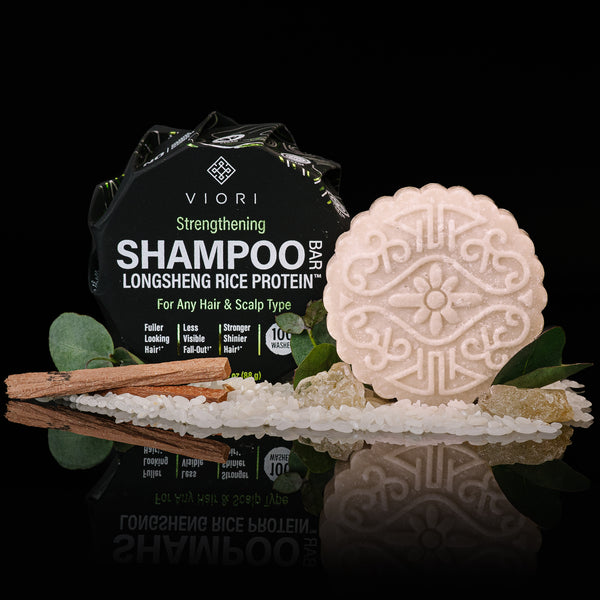
Viori’s shampoo and conditioner bars are designed with that balance in mind: a mild cleanser system, a pH-conscious approach (which matters for keeping the cuticle behaving), and conditioning support that helps restore slip so hair feels manageable rather than squeaky. If fragrance is a concern for your scalp, Viori Native Essence is the unscented option-often a smart way to reduce variables while you figure out what your scalp truly likes.
Final Takeaway: Silica Isn’t the Magic-Your Routine Is
Silica can be useful, especially for roots that get oily fast. But the “make or break” detail is how it affects friction and how it behaves in your scalp’s day-to-day environment. If your routine keeps the cuticle comfortable and the lengths protected, you can get the clean, airy look people want-without paying for it in tangles and breakage.


