
If you’ve ever typed “best shampoo for healthy hair and scalp” into a search bar, you already know the internet loves a one-size-fits-all answer. In the salon, it doesn’t work that way. After 20 years of watching real hair behave in real life-through color services, heat styling, hard water, stress, hormones, and seasonal changes-I can tell you this: the “best” shampoo is the one that keeps your scalp stable and your hair fiber low-friction.
That might sound technical, but it’s actually the simplest way to stop the cycle of oily roots, itchy flakes, dull lengths, and breakage. The shampoo you choose is less about chasing trendy claims and more about matching your routine to what your scalp produces and what your ends can tolerate.
Healthy hair starts with a healthy scalp (and the scalp is skin)
Your scalp isn’t just where hair lives-it’s living tissue with a barrier that can be supported or disrupted. When that barrier is happy, you typically see less itch, less tightness, more comfortable “day-two hair,” and fewer random flare-ups that make you want to switch products every week.
When a cleanser is too aggressive, the scalp often reacts in predictable ways: it can feel dry and tight, then swing into rebound oiliness, or become irritated and flaky. A shampoo can technically “clean” while still pushing your scalp into a stressed state.
NOT SURE WHICH PRODUCT IS RIGHT FOR YOU?
TAKE THE QUIZTakes 30 seconds · 134,000+ customers matched
So instead of asking, “Does it make my hair squeaky?” ask, “Does my scalp feel calm and normal for the next 24-72 hours?” That’s the better measure of long-term scalp health.
The variable most people miss: pH is a cuticle-friction dial
“pH balanced” gets tossed around a lot, but in practice it matters because it influences how your cuticle behaves. Hair and scalp products tend to perform best in a mildly acidic range. Viori notes that hair products should generally be between pH 3.5-6.5, and that overly alkaline formulas can dry hair out over time.
Here’s what that means in plain English: when the cuticle sits flatter, hair feels smoother, tangles less, reflects more light (hello, shine), and breaks less during brushing. When the cuticle stays lifted and rough, you get that grabby feeling-more friction, more frizz, more snapping at the ends.
If you’ve ever had a shampoo leave your hair feeling “stripped,” you weren’t imagining it. That sensation is often a mix of lipid removal and cuticle roughness. The best shampoo cleans without leaving your hair in that high-friction state.
What shampoo is really doing: controlled cleansing, not aggressive stripping
Shampoo works because of cleansing agents (surfactants) that lift oil, sweat, dirt, and product residue so they can rinse away. The problem is that some cleansers remove too much of the protective layer your scalp and hair need to stay comfortable.
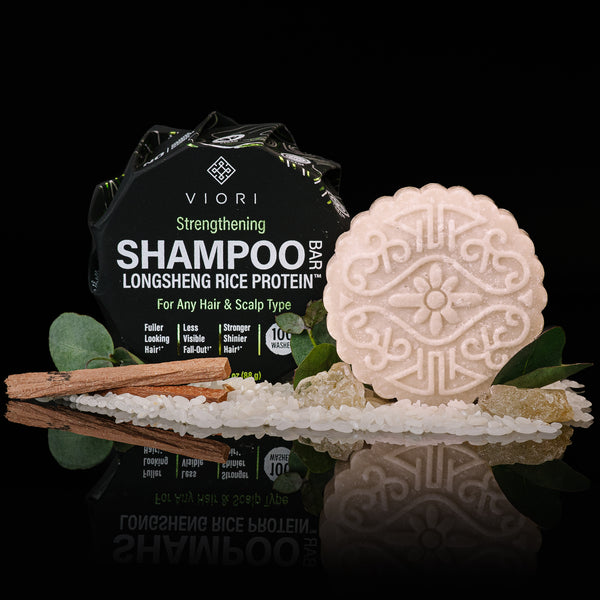
Viori uses Sodium Cocoyl Isethionate (SCI) as the cleanser in its shampoo bars, which is widely considered a milder cleansing option in haircare. In practical terms, it can help you get a true clean without the harsh, squeaky aftermath that tends to set sensitive scalps off.
In my experience, the best cleansing routine is the one that leaves your scalp feeling refreshed but not reactive-and sets your hair up to accept conditioner evenly.
Technique matters (especially with bars): your hands should do the work
This is where I see people accidentally sabotage an otherwise great shampoo. With bar formats, it’s tempting to rub the bar directly on the scalp. That can create unnecessary friction and can be especially risky for hair that’s color-treated or fragile.
Viori specifically recommends creating lather in your palms and working it through your hair with your hands rather than rubbing the bar directly on your head-particularly to help preserve color. From a stylist’s perspective, that advice is spot-on because it reduces mechanical wear on the cuticle.
A salon-style way to wash with a shampoo bar
- Wet your hair thoroughly (this alone reduces friction and helps even cleansing).
- Rub the bar between your hands to build a rich lather.
- Massage lather into the scalp using fingertips (not nails).
- Let the runoff cleanse your lengths-avoid scrubbing the ends.
- Rinse well, then go in with conditioner on mid-lengths to ends.
Choose “best shampoo” by your scalp oil curve (not your curl pattern)
One of the most useful ways to pick the right shampoo is to identify how quickly your scalp becomes oily again. Viori’s guideline is simple and surprisingly accurate:
- Oily scalp: feels oily again in 1-2 days
- Normal scalp: feels oily again around day 3
- Dry scalp: feels oily again after 4+ days
This matters because cleansing needs are scalp-driven. Your ends can be dry even when your roots are oily-so your shampoo choice should support the scalp without punishing the lengths.
Then check porosity: the reason “great shampoo” reviews conflict
Hair porosity is your hair’s ability to absorb and hold moisture. It’s one of the biggest reasons a product can be someone’s holy grail and someone else’s disaster.
Viori shares an easy at-home porosity test:
- Brush your hair.
- Take one shed strand and place it in a glass of water.
- If it floats, you likely have low porosity. If it stays in the middle, medium. If it sinks, high porosity.
Low porosity hair tends to be more prone to buildup and often prefers lighter routines. High porosity hair absorbs quickly but loses moisture quickly-and usually needs more conditioning support and gentler handling to prevent frizz and breakage.
A nuance most people ignore: scent can affect performance
Here’s an interesting detail Viori calls out: even when the base formula is the same, the scent system can influence which bar feels best on different scalp types.
For example, Citrus Yao includes citric acid, which helps break down oil effectively-one reason it’s commonly recommended for normal-to-oily scalps. Hidden Waterfall, Terrace Garden, and Native Essence are often favored for dry-to-normal scalp types, with Native Essence being unscented (and typically the gentlest choice for those avoiding added fragrance).
If you’ve ever wondered why one option helps you go longer between washes while another feels a bit heavier on day two, this is part of the reason.
WHAT CUSTOMERS ARE SAYING
Real reviews for Hidden Waterfall Barra de Champú
Dandruff? Treat the cause, not just the flakes
Not all dandruff is the same, and using the wrong type of shampoo can make it worse. Viori recommends different options depending on whether you’re dealing with oil-driven flaking or dryness-driven flaking:
- Oily scalp dandruff: Citrus Yao shampoo and conditioner
- Dry scalp dandruff: Hidden Waterfall, Terrace Garden, or Native Essence shampoo
If your scalp feels greasy and flaky, oil control usually helps. If it feels tight, itchy, and flaky, moisture support and gentler cleansing tend to be the better path.
Why conditioner is part of finding the best shampoo
Clients often ask if conditioner is “really necessary.” From a hair-fiber standpoint, it’s one of the most practical ways to protect length. Viori explains it well: conditioner is positively charged, so it adheres to the hair strand and helps replace the protective feel while your scalp’s natural oils rebuild.
That slip matters because wet hair is vulnerable. The easier it detangles, the less force you use, and the less breakage you accumulate over time. Viori’s conditioner bar includes behentrimonium methosulfate (BTMS), a conditioning ingredient used to improve slip and help the cuticle lie smoother.
The checklist I use when I’m trying to get someone’s hair “healthy” again
- Scalp comfort: clean without tightness, itch, or rebound oil
- pH awareness: avoid routines that leave hair rough and reactive
- Low-friction technique: especially important with bar application
- Conditioning that actually deposits slip: less snagging, less snapping
- Match scalp type + porosity: prevents buildup on one end and dryness on the other
Final thoughts: “best shampoo” is a match, not a myth
The best shampoo for healthy hair and scalp is the one that makes your scalp feel normal between washes and makes your hair feel easier to handle-not just right after the shower, but over the next few days. When your scalp is stable and your cuticle friction is low, shine, softness, and growth retention tend to follow naturally.
If you want a truly tailored recommendation using Viori, start with two quick observations: how fast your roots get oily, and whether your ends feel dry or frizzy. Combine that with the porosity test, and you’ll be surprisingly close to your “best shampoo” answer.


