
Color-treated hair has a different set of rules. The moment you lighten, tint, tone, or cover grays, you’re not just changing shade-you’re changing how your hair behaves. That’s why the search for the best sulfate-free shampoo for color-treated hair shouldn’t stop at “avoid sulfates.” It should zoom in on what really makes color fade: cuticle disruption, friction, and pH.
After 20 years doing hair, I can tell you this: two people can use “color-safe” shampoo and get wildly different results. The difference is usually not magic ingredients-it’s the combination of how the product cleans, what it leaves behind, and how you use it. And if you’re using a bar format like Viori, technique matters even more.
Why color fades (and why “sulfate-free” is only part of the story)
Color fade isn’t just one thing. It’s a few different mechanisms happening at the same time, and your shampoo routine can either slow them down-or unintentionally speed them up.
NOT SURE WHICH PRODUCT IS RIGHT FOR YOU?
TAKE THE QUIZTakes 30 seconds · 134,000+ customers matched
1) Water pulls pigment out over time
Every wash is a wetting cycle, and wetting cycles cause the hair fiber to swell and contract. That repeating movement can encourage some pigment to migrate out gradually, especially if you’re wearing a toner or a more temporary color type.
2) The cuticle gets lifted, then gets worn down
This is the part most people don’t talk about. When the cuticle sits raised (or gets roughed up by scrubbing and tangling), you get more friction, more snagging, and more surface wear. That wear makes hair look dull faster-and it can also make color look like it’s “disappearing,” when what’s really happening is the surface is getting rougher and scattering light.
3) pH can quietly make or break your results
Hair generally performs best when products stay in a hair-friendly range (commonly discussed as pH 3.5-6.5). When formulas run too alkaline, the cuticle can stay more lifted, which can translate to more dryness and more fading over time. Viori specifically notes that their bars are pH balanced, and that consistently using products that lean too alkaline can contribute to long-term hair damage.
What “sulfate-free” should mean if you want your color to last
People usually use “sulfate-free” as shorthand for “gentler.” That’s often true-but the more accurate question is: what cleansing system is being used, and how does it behave on hair that’s been chemically processed?
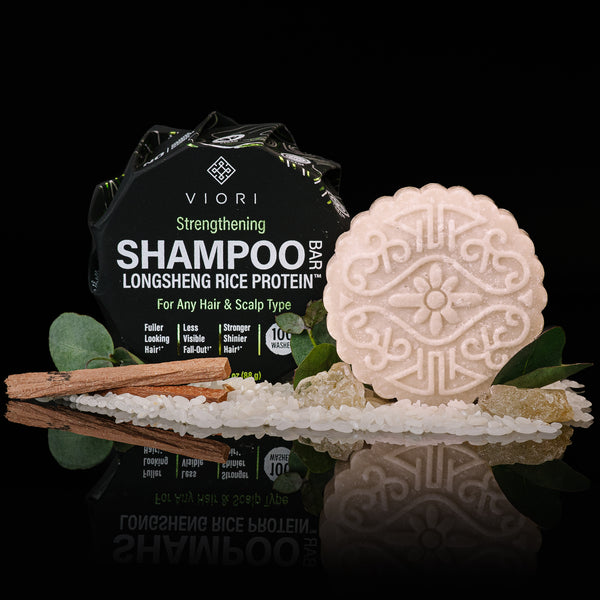
Viori does not use common sulfate-based cleansers like SLS/SLES/ALS. Instead, Viori uses Sodium Cocoyl Isethionate (SCI) as the cleanser in their shampoo bars. In the formulation world, SCI is often considered a milder cleanser that still creates a satisfying lather.
- Why it matters for color: milder cleansing can help avoid stripping too much of the hair’s surface oils, which helps maintain softness and shine.
- Why it matters for breakage: less stripping usually means less tangling, which means less aggressive detangling-one of the biggest sources of mechanical damage for color-treated hair.
The underrated secret to color longevity: reduce friction
If I could put one sentence on every bottle and bar marketed to color-treated hair, it would be this: your color fades faster when your cuticle experiences more friction.
This is where shampoo bars become especially interesting. They can be fantastic-simpler routine, less plastic, easy storage-but they also introduce a physical variable: how the bar is applied.
Viori recommends that for color-treated hair you lather in your palms and work it through with your hands rather than rubbing the bar directly on your head. That advice is spot-on, because direct rubbing creates more friction, and friction can lift the cuticle and contribute to color loss (especially with non-permanent color types).
Conditioner isn’t optional for color-treated hair (it’s physics)
Here’s the salon reality: if you want your color to look expensive for longer, you need to condition consistently. Viori explains this well-washing removes some natural sebum, leaving strands more vulnerable, and conditioner (which is typically positively charged) adheres to the hair and helps protect it while your natural oils rebuild.
- Less tangling means less breakage and less abrasive wear.
- Smoother cuticle means better light reflection (more shine, richer-looking color).
- Better slip means you’re less likely to over-brush or overheat style to “fix” the feel.
Be honest about your color type: it sets the “fade ceiling”
No shampoo can override the limitations of a fragile color service. Viori notes that outcomes can depend on the type and quality of color used, and that’s absolutely true behind the chair.
- Permanent color typically holds better because the pigment is formed and locked deeper inside the hair.
- Toners and many semi-permanent colors can fade faster because they sit closer to the surface and are more wash-sensitive.
If your color is designed to be more temporary, the goal becomes damage control: fewer wash cycles, lower friction, pH-friendly cleansing, and consistent conditioning.
Choosing a Viori bar for color-treated hair: start with your scalp
Most people choose shampoo based on their ends (“dry!”), but your scalp determines how often you need to wash-and more washes usually means more fade. Viori’s guidance is to match bars to scalp type:
WHAT CUSTOMERS ARE SAYING
Real reviews for Hidden Waterfall Barra de Champú
- Citrus Yao is commonly recommended for normal-to-oily scalp types. Viori notes the citrus component contains citric acid, which helps break down oil well.
- Terrace Garden, Hidden Waterfall, and Native Essence are often recommended for dry-to-normal scalp types and moisture support.
- Native Essence is unscented and is typically the most gentle option for those who are sensitive to fragrance.
The color-safe wash routine (especially important if you use a bar)
If you want the biggest payoff from sulfate-free shampoo-without sacrificing cleanliness-this routine is the one I recommend most often.
- Saturate thoroughly. Spend an extra 30-60 seconds getting the hair fully wet. More water means less friction and more even cleansing.
- Lather in your hands. With Viori, build lather in your palms and apply with your hands instead of dragging the bar along the lengths.
- Cleanse the scalp first. Your scalp needs cleansing; your ends need protection. Let the lather and rinse water do the light cleanup through mid-lengths and ends.
- Rinse really well. A thorough rinse helps hair feel lighter and look brighter.
- Condition every time. Apply conditioner to mid-lengths and ends, and let it sit a few minutes when you need extra smoothness.
A smarter way to judge “the best shampoo”: minimize stress per wash
When my clients ask what keeps color looking fresh, I frame it like this: Color longevity = dye stability − (stress per wash × number of washes).
Stress per wash includes things like harsh cleansing, wrong pH, scrubbing, rough towel drying, aggressive detangling, and heat styling right after you wash. The best sulfate-free shampoo routine reduces that stress-so your color stays glossy, your hair stays strong, and you don’t feel like you’re constantly booking “fix” appointments.
Where Viori fits in
Viori checks several of the boxes color-treated hair tends to love: sulfate-free cleansing, pH-balanced formulation, and clear guidance on how to use a bar in a lower-friction way (palm-lathering rather than direct rubbing). Pair that with consistent conditioning, and you’ve got a routine that supports both color longevity and hair integrity.


