
That classic bundle-bay-rum-style beard oil, beard wash, a shampoo bar, a custom soap, and a “free” comb-sounds straightforward. Clean up, smell good, soften the beard, run a comb through it, and get on with your day.
But here’s the part most people never hear: once you start stacking multiple products on beard hair and the skin underneath, you’re not just building a routine-you’re building a chemical system. And if the pieces don’t play nicely together, you get the usual complaints: itch, flakes, greasy roots with dry ends, rough texture, or a beard that feels great for an hour and then turns into sandpaper.
Let’s break down what’s really going on-without the fluff-and how to make the whole setup work like it was actually designed by someone who understands hair, skin, and friction.
Beard hair isn’t scalp hair (and beard skin isn’t body skin)
Beard hair is typically coarser than the hair on your head. The strands often have more “grab,” meaning the cuticle edges can catch on each other, especially when the beard is dry or over-cleansed. That catching is what you experience as roughness, tangling, and that prickly feel that makes you want to dump more oil on top.
NOT SURE WHICH PRODUCT IS RIGHT FOR YOU?
TAKE THE QUIZTakes 30 seconds · 134,000+ customers matched
The skin under your beard is also its own situation. It deals with heat, sweat, friction, and product buildup-often all at once. When it gets irritated, it doesn’t always show up like obvious redness. Sometimes it’s just persistent tightness, itch that comes and goes, or flakes that keep returning no matter what you try.
The overlooked issue: the “leave-on fragrance ladder”
Bay-rum-style profiles are popular because they’re warm, spicy, and unmistakably classic. The problem isn’t whether a scent is “natural” or not. The problem is how much fragrance your skin is exposed to, and for how long.
If your routine includes a scented wash, a scented shampoo, a scented soap on the face/neck area, and then a scented beard oil that sits on the skin all day, you’ve created what I call a leave-on fragrance ladder. Rinse-off products matter, but the leave-on step (beard oil) tends to be the one that tips sensitive skin into irritation.
If you suspect scent is part of the problem, a simple way to reduce the “fragrance load” without giving up a solid routine is to keep at least one core step unscented. Viori Native Essence is an unscented option that can help you simplify things while still using a bar format designed for hair and scalp balance.
Beard wash vs. soap vs. shampoo bar: it’s not the label-it’s the chemistry
A lot of “custom soaps” are true soaps, and true soaps often run more alkaline. On hair (especially coarse beard hair), alkalinity can raise the cuticle, increase friction, and leave the beard feeling squeaky, rough, or overly “stripped.” That’s usually when people start over-applying beard oil just to feel normal again.
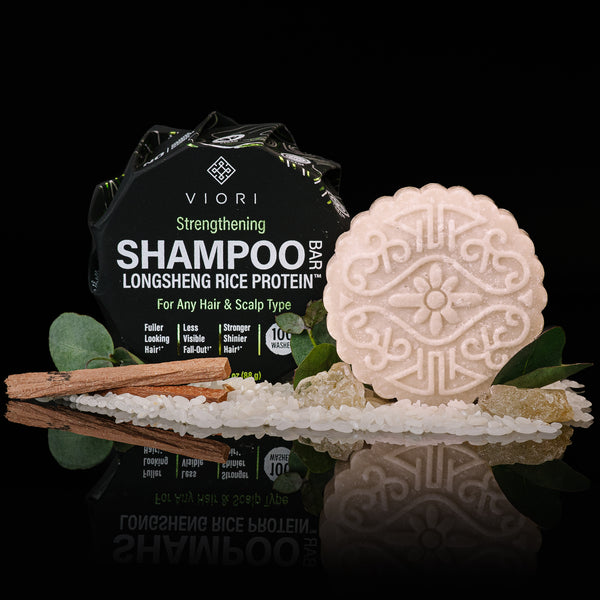
In contrast, a well-formulated shampoo bar is built to cleanse hair with a surfactant system that can be kept pH balanced. Viori shampoo bars use Sodium Cocoyl Isethionate (SCI), a mild cleanser that creates a creamy lather without the harsh feel many people associate with strong detergents. Viori also emphasizes pH balance because hair generally behaves best in the 3.5-6.5 range.
That matters for beards because when you reduce harshness at the cleansing stage, the beard doesn’t fight you as much afterward. Less friction, less tightness, less “I need to fix this with more oil.”
The most common failure: the oil compensation loop
This is the cycle that quietly wrecks a lot of “simple” beard routines:
- A cleanser is too stripping (or too alkaline), so the beard and skin feel tight.
- You add more beard oil to get softness back.
- Oil starts to build up near the skin line and traps debris.
- The beard feels greasy or itchy, so you wash more aggressively or more often.
- The cleanser strips again, and the cycle repeats-usually worse each time.
When this happens, beard oil gets blamed. But most of the time, the real issue is that cleansing and conditioning aren’t balanced. The fix is to make the wash-and-condition steps do more of the heavy lifting so oil becomes a finisher, not a rescue product.
That “free comb” is more important than you think
A comb isn’t just a styling tool. In a beard routine, it’s a distribution tool. Distribution changes everything-how heavy the oil feels, how shiny the beard looks, and whether product pools at the skin line (where itch and congestion love to start).
When you comb after applying oil, you spread the product into a thinner, more even film across the hair. That means fewer greasy patches, fewer fragrance hotspots, and less chance that your beard oil becomes “too much” in one area and “not enough” everywhere else.
- Apply beard oil to a slightly damp beard for better spread.
- Work it in skin-first, then pull it through the lengths.
- Comb from the neck outward, and clean your comb regularly.
Oxidation: why oils can feel “off” over time
Here’s a detail that almost never gets mentioned: many plant-based oils are unsaturated, and unsaturated oils can oxidize with heat, steam, and air exposure. Oxidation can change how an oil smells and how it feels on the skin, and some people notice more irritation when an oil has started to turn.
The best prevention is surprisingly practical: use less oil, store it away from shower heat/steam, and build a wash-and-condition routine that doesn’t force you to constantly “top up” just to keep your beard comfortable.
A beard routine that works (without overcomplicating your life)
If you want the rugged, low-maintenance vibe to actually feel good on your face, build your routine around friction control. Beard softness is less about drowning the hair in oil and more about reducing friction at every stage.
1) Cleanse (most people do best at 2-4x per week)
Choose a cleanser that cleans without leaving your beard squeaky or your skin tight. If you’re washing your hair in the same shower, it often makes sense to use one high-quality shampoo bar for both scalp and beard rather than mixing a harsh soap into the beard area.
Viori shampoo bars are formulated to be pH balanced and use a mild cleanser system, which is one reason many people find they don’t feel as stripped afterward.
2) Condition (the step most beard routines skip, then regret)
Conditioning reduces friction, improves slip, and makes combing easier-meaning fewer snapped hairs and less “scratch.” Viori’s conditioner bars are designed to help with manageability and softness, and a technique tip from Viori’s own guidance translates perfectly to beards: build product in your hands and apply with your hands instead of rubbing the bar directly on the beard/skin. Less friction, better results.
WHAT CUSTOMERS ARE SAYING
Real reviews for Hidden Waterfall Barra de Champú
3) Oil (micro-dose and let the comb do the work)
Start smaller than you think and adjust slowly. As a baseline:
- Short beard: 2-4 drops
- Medium beard: 4-8 drops
- Long beard: 8-12 drops
The goal is a beard that feels soft and flexible-not coated.
Quick pairing guidance (based on how your scalp and beard skin behave)
One simple framework that translates well from haircare to beards is matching your wash-and-condition to oiliness and sensitivity. Viori’s general guidance is:
- Citrus Yao: often preferred for normal-to-oily types (citrus components can help break down oil more effectively).
- Terrace Garden and Hidden Waterfall: often chosen for normal-to-dry needs.
- Native Essence: unscented and typically the gentlest choice for fragrance sensitivity.
If you’re oily at the skin line but dry through the lengths, treat it like “oily roots, dry ends”: cleanse where oil builds up and keep conditioning focused through the beard lengths.
The takeaway: optimize friction, not just moisture
Most beard advice online revolves around adding more moisture. Moisture helps-but what you feel day to day is usually friction: friction between hairs, friction against skin, friction during combing. Lower the friction and the beard practically takes care of itself.
When cleansing is gentle and pH balanced, when conditioning is consistent, and when oil is applied lightly and distributed with a comb, you get the “caveman” simplicity everyone wants-without the itch, flakes, and greasy rebound that make people quit after a few weeks.


