
Let's be honest. We've all been there. Scrolling through a beautifully filtered feed, you see it: a rustic mason jar filled with something that looks like a potion for perfect hair. "Homemade organic shampoo!" the caption promises. "Only three ingredients! Zero waste!" It taps into everything we want-control, purity, a simpler routine. As a stylist who's spent twenty years behind the chair, I get it. I also know that what happens next is often a story of good intentions meeting harsh reality.
That bottle of kitchen-counter concoction? It might be the start of a hair horror story you didn't sign up for. Today, I'm not here to shame your ambitions. I'm here to have the real talk we rarely have online, and guide you toward what truly works.
NOT SURE WHICH PRODUCT IS RIGHT FOR YOU?
TAKE THE QUIZTakes 30 seconds · 134,000+ customers matched
The Allure is Real (And Totally Understandable)
First off, your instincts are spot-on. The drive to make your own stuff comes from a powerful place of wanting better. You're seeking transparency, tired of chemical-sounding ingredients you need a PhD to pronounce. You're feeling that eco-guilt from the tower of empty plastic bottles in your shower corner. You want to personalize-to finally solve your oily roots or your parched ends with a custom blend. These aren't frivolous desires. They're the foundation of a haircare revolution. The trick is navigating from the dream to a routine that doesn't leave your hair in crisis.
The Four Ugly Truths Your DIY Guide Won't Tell You
1. The pH Betrayal: Your Hair's Secret Nemesis
This is the big one, the deal-breaker most hobbyists never mention. Your hair and scalp are healthiest at a slightly acidic pH, between 4.5 and 5.5. This natural acidity is what keeps your hair's outer layer, the cuticle, lying flat and smooth. A flat cuticle equals shine, strength, and locked-in moisture.
Here’s the rub: a huge number of popular DIY bases, like classic castile soap, are highly alkaline. We're talking a pH of 8 or 9. Using that on your hair is like prying open every single one of those cuticle scales and leaving them that way.
The heartbreaking result? Hair that’s perpetually dry, frizzy, dull, and fragile. It tangles if you look at it wrong. For your scalp, this alkaline assault can break down its natural protective barrier, leading to irritation, flakiness, or that vicious cycle where it pumps out extra oil to soothe the damage. You wanted clean, healthy hair, but you accidentally declared chemical war on it.
2. The Fermentation Fairy Tale
Rice water is everywhere, hailed as a miracle. "Soak your rice, use the water!" the tutorials chirp. But the real magic isn't in soaking; it's in a specific, controlled fermentation process honed over generations. Ancient traditions use meticulous, multi-day rituals to transform that simple rice water. This fermentation isn't just about waiting; it's about bio-activating the nutrients, dramatically boosting levels of compounds like inositol and panthenol that are proven to strengthen hair from within.
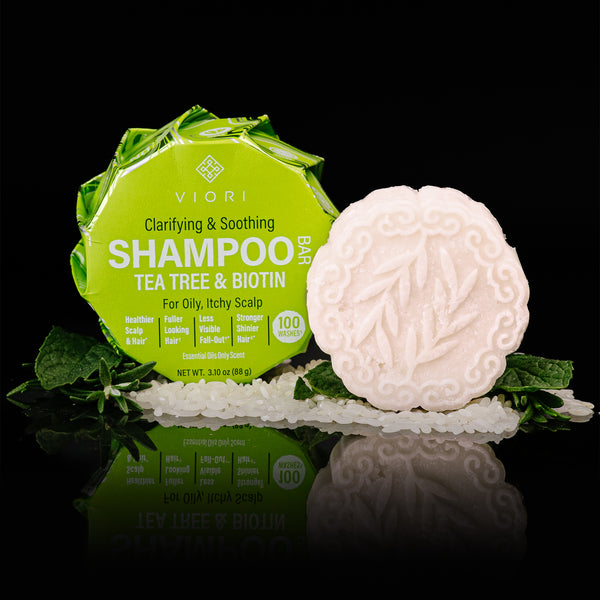
Your kitchen-counter version? It's a gamble. Without precise control, you might just be cultivating a funky-smelling science experiment that could spoil on your shelf-or worse, on your scalp. You're missing the transformative power of the process.
3. The Sticky Cycle of Strip & Weigh-Down
This is the classic DIY rollercoaster. Many recipes start with a cleansing base that can leave a weird, waxy film on your hair (especially in hard water). So, the recipe tells you to add heavy oils-coconut, olive, you name it-to "moisturize."
What you get is hair that feels squeaky-clean yet weirdly coated, or greasy at the ends but still itchy at the roots. You're caught between stripping and smothering, never finding that sweet spot of balanced cleansing and targeted conditioning. True haircare science uses ingredients that are engineered to bind to the hair shaft properly, not just sit on top of it.
4. The "All-Natural" Safety Risk
This is the most serious point. Any mixture that contains water needs to be preserved. Period. Water breeds bacteria, mold, and yeast. In the quest for purity, many DIY recipes skip preservatives altogether.
Let me be blunt: using an unpreserved, water-based mixture on your scalp is a risk you shouldn't take. Cosmetic preservatives have a vital job: keeping you safe. The brilliant alternative? A solid format. A shampoo bar, by its waterless nature, is inherently stable and self-preserving, sidestepping this entire safety dilemma beautifully.
Beyond the Mason Jar: What Real Sustainability Looks Like
The dream is one perfect, zero-waste jar. The reality of DIY often looks different:
WHAT CUSTOMERS ARE SAYING
Real reviews for Tea Tree Shampoo Bar – Oily & Itchy Scalp | VIORI
- Multiple plastic bottles of oils and extracts shipped from across the country.
- Bulk ingredients that go rancid before you use them up.
- Failed batches that end up in the trash.
True responsibility means looking at the whole picture. It's about:
- Packaging: Is it plastic-free, compostable, or endlessly recyclable?
- Sourcing: Are ingredients harvested ethically, supporting communities and ecosystems?
- Efficiency: How much product is wasted? One concentrated bar that lasts for months and replaces three plastic bottles makes a massive difference.
The Smart Compromise: Honor Your "Why"
So, do you give up on your values? Never. The goal isn't to abandon your desire for pure, effective, responsible haircare. The goal is to achieve it intelligently.
You don't need to become a cosmetic chemist. You need to find products created by those who are, who share your core values. Look for brands that take a powerful natural legacy-like a centuries-old hair ritual-and respect it enough to translate it through smart, stable, and pH-balanced science. The result is the best of both worlds: the soul of nature and the certainty of efficacy.
Your journey to great hair shouldn't end with a failed experiment in your kitchen. It should start with informed choices that respect both your values and the beautiful, complex biology of your hair. Now that's a recipe for success.


