
When people type “habitat shampoo bar” into a search bar, they usually want one of two things: something more sustainable, or a straight answer on whether shampoo bars make hair feel amazing-or weirdly waxy.
But there’s a smarter, more salon-realistic way to think about it. A shampoo bar doesn’t just wash your hair. It changes the micro-habitat your scalp and hair live in-your personal mix of oil, sweat, dead skin, water minerals, friction, residue, and pH. And once that habitat shifts, your hair starts acting differently (sometimes overnight, sometimes slowly and steadily over a couple of months).
After 20 years behind the chair, I’ve learned that “good hair” is rarely about one miracle ingredient. It’s almost always about creating a stable environment-one that cleans thoroughly without triggering rebound oiliness, irritation, or breakage. That’s where a well-formulated bar, used correctly, can be a game-changer.
Your scalp is an ecosystem (not a dirty surface)
Your scalp isn’t just “skin with hair on it.” It’s a dense follicle zone that behaves more like facial skin than body skin. Every day, it’s balancing oil production, sweat, shedding, and the invisible layer of microbes that naturally live there.
NOT SURE WHICH PRODUCT IS RIGHT FOR YOU?
TAKE THE QUIZTakes 30 seconds · 134,000+ customers matched
A healthy scalp habitat isn’t sterile-it’s stable. The goal of washing is to reduce excess buildup without wrecking your barrier and triggering that frustrating cycle of tightness, flakes, itch, or greasy roots that come back too fast.
Here are the habitat variables shampoo quietly influences every time you wash:
- pH drift (a major driver of shine, frizz, and scalp comfort)
- How aggressively oil is removed (and whether your scalp rebounds)
- Residue profile (what’s left behind, and where)
- Frictional stress (especially important with bars)
- Mineral interaction (hard water can amplify “waxy” feelings)
Why shampoo bars change the “habitat” differently than liquids
Liquid shampoo arrives pre-diluted and ready to spread evenly. A bar is concentrated, and you dilute it as you use it. That shift seems small, but it changes the entire cleansing experience.
1) Bars can create concentration “hot spots”
If you rub a shampoo bar directly on your scalp, you can create a temporary pocket of high cleanser concentration exactly where the bar touches. On some scalps, that’s no big deal. On others-especially sensitive, dry, or freshly color-treated-it can feel like too much, too fast.
This is why Viori recommends a technique I also prefer professionally: work up lather in your hands and apply it with your fingers rather than dragging the bar across the scalp. It’s a simple change that reduces irritation risk and improves consistency from root to crown.
2) With bars, friction becomes part of the formula
Friction is the sneaky variable most people don’t consider. With a bar, friction isn’t accidental-it’s built into the delivery. And friction doesn’t just affect softness; it affects the cuticle. Too much rubbing can lift the cuticle, increase tangling, and contribute to breakage over time.
If you’ve ever felt like your hair behaved worse after switching routines, it’s often not because the bar is “bad.” It’s because the application method changed your hair’s mechanical stress level.
The cleanser choice matters (especially in a bar)
Not all shampoo bars cleanse the same way. One major technical difference is whether a bar behaves like traditional soap or is built with modern, gentle cleansing agents.
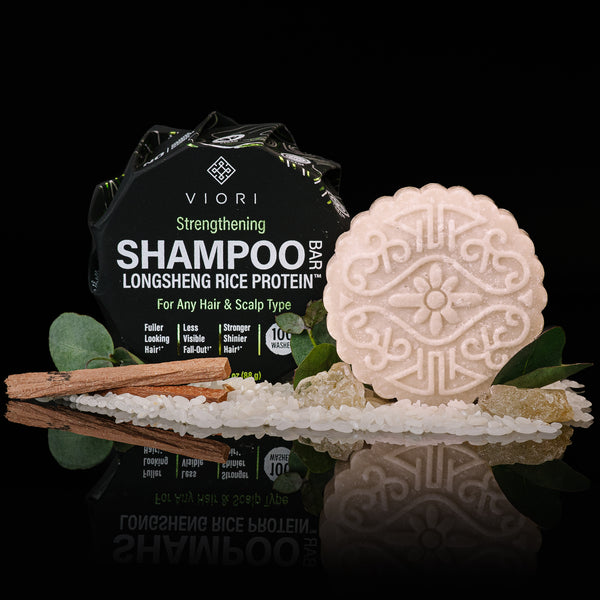
Viori uses Sodium Cocoyl Isethionate (SCI) as its cleanser. In the industry, SCI is known for creating a rich lather while staying relatively mild-sometimes it’s even called “baby foam” because it can cleanse without that harsh, stripped feeling many people associate with strong cleansers.
From a habitat perspective, mild-but-effective cleansing helps you avoid the classic loop:
- Over-cleanse and strip oils
- Scalp gets irritated or tight
- Scalp rebounds with more oil (or flakes)
- You wash more often to “fix it”
pH is the silent architect of shine, frizz, and comfort
If there’s one topic I wish more people understood, it’s pH. It affects how the cuticle lays, how light reflects (shine), how tangly hair feels, and how comfortable your scalp stays day-to-day.
Viori emphasizes that its bars are pH balanced. That matters because hair products generally perform best when they stay within an appropriate pH range (commonly discussed as roughly 3.5-6.5). When products drift too alkaline, hair can feel rougher over time and become harder to manage, especially if you already deal with dryness or damage.
Fermented Longsheng rice water: tradition with a technical payoff
Viori uses fermented Longsheng rice water and keeps it at a level designed to be safe and balanced for regular use. That’s important because overly concentrated rice-water routines can be a wildcard for some people if they’re used too often or without attention to pH and balance.
From a performance standpoint, what’s compelling is the support system around it-ingredients that work in different ways on the hair fiber, including:
- Hydrolyzed rice protein (often associated with strength, volume, and surface smoothing)
- Panthenol (Vitamin B5) (linked to softness and improved pliability)
- Inositol (Vitamin B8) (a nutrient often discussed in fermented rice processes and hair conditioning)
The nuance here is real: shampoo and conditioner are rinse-off products. So the question isn’t just “Is it in there?” It’s whether the formula deposits what you want without leaving behind what you don’t.
Conditioner bars, electrostatics, and why hair feels “sealed” again
After cleansing, hair is more vulnerable-especially if it’s porous, color-treated, or heat-styled. This is where conditioner stops being optional and becomes protective.
Viori’s conditioner bars use Behentrimonium Methosulfate (BTMS), a conditioning agent that helps increase slip and reduce static. It’s positively charged, and that matters because hair-particularly damaged hair-tends to have more negatively charged sites. In plain terms: it helps conditioner attach where hair needs it most, improving manageability and feel.
Viori also explains the concept in a way I love: conditioner is positively charged, so it can “stick” to the hair and help replace some of the protection sebum normally provides until your scalp replenishes it naturally.
The under-discussed twist: scent can change how a bar performs
Most haircare brands treat scent like a purely aesthetic choice. Viori takes a more nuanced approach: while the bars share a core formula, the scent profile can subtly influence which scalp types they suit best.
- Citrus Yao is often recommended for normal-to-oily scalps, in part because it contains citric acid, which helps break down oil more effectively.
- Terrace Garden and Hidden Waterfall are commonly chosen for normal-to-dry scalps when moisture support is the priority.
- Native Essence is unscented, which can be a great option for fragrance sensitivity and very reactive scalps.
Flakes aren’t one problem: oily flakes vs. dry flakes
“Dandruff” gets used as a catch-all, but flakes can show up for different reasons-and treating the wrong cause can backfire.
WHAT CUSTOMERS ARE SAYING
Real reviews for Hidden Waterfall Barra de Champú
Viori’s guidance aligns with a key professional distinction:
- Oily scalp flakes generally do best with better oil control and consistent cleansing (Viori often points toward Citrus Yao).
- Dry scalp flakes tend to do best with gentler, more moisturizing support (often Hidden Waterfall, Terrace Garden, or Native Essence).
If you’re oily at the roots but dry at the ends, Viori even suggests a mixed approach: use a more oil-targeted shampoo at the scalp and a more moisturizing conditioner on the lengths.
The “waxy” myth: buildup isn’t only about silicones
Viori’s bars are silicone-free, but that doesn’t mean buildup can’t happen. In bar routines, the most common culprits I see are technique and rinse quality-especially in hard water areas.
Common reasons hair can feel coated or draggy:
- Hard water minerals binding to leftover residue
- Not rinsing long enough (bars often need a more deliberate rinse)
- Conditioner applied too close to the scalp on oil-prone hair
- Rubbing the bar directly onto hair, creating uneven cleansing and deposition
A habitat-optimized Viori routine (simple, but very effective)
If you want your scalp and hair to settle into a calmer, more predictable rhythm, focus on two things: low friction and smart placement (cleanse the scalp, condition the lengths).
- Choose your bar by scalp type first. Oily scalps often align with Citrus Yao; dry or sensitive scalps often align with Terrace Garden, Hidden Waterfall, or the unscented Native Essence.
- Create lather in your hands. Apply with fingertips instead of dragging the bar over your scalp.
- Rinse longer than you think you need. This is the easiest fix for that “coated” feeling.
- Condition mid-lengths to ends. Let it sit a minute or two if your hair runs dry or frizzy, then rinse thoroughly.
- Give it time. Viori notes some people notice changes immediately, but others need consistent use over 2-3 months-which tracks with how long it can take a scalp habitat to stabilize.
Final thoughts: a “habitat shampoo bar” is a system, not a gimmick
The best shampoo bar results don’t come from chasing a single ingredient or expecting one wash to rewrite your hair history. They come from creating a stable environment-balanced cleansing, controlled friction, consistent pH behavior, and conditioner that restores slip and protection.
When you get that right, hair usually starts doing what it’s supposed to do: feel clean without feeling stripped, stay softer longer, look shinier, tangle less, and break less. That’s not hype-that’s habitat.


