
After twenty years behind the chair, I've tested hundreds of products on thousands of clients. But nothing prepared me for the technical rabbit hole I fell down when I started researching Japanese orange shampoo. What I discovered goes far beyond "smells nice and cleans well"-we're talking volcanic soil chemistry, molecular weight engineering, and sebaceous gland feedback loops. Let me take you on this journey.
Why Your Shampoo's Geography Matters More Than You Think
When a client asks me about citrus-based shampoos, most expect me to talk about that fresh, clean scent or maybe vitamin C benefits. But here's what beauty blogs don't tell you: where your citrus is grown fundamentally changes what it can do for your hair.
Japanese citrus fruits-varieties like yuzu, sudachi, and daidai oranges-grow predominantly in volcanic soil regions. Places like Kochi Prefecture, Wakayama, and parts of Shikoku aren't just scenic; they're biochemical goldmines for hair care.
The Volcanic Advantage
Volcanic soil contains:
- Higher sulfur content (0.02-0.15% versus 0.01% in regular agricultural soil)
- Elevated selenium and zinc levels
- Unique silicon dioxide ratios
When citrus trees absorb these minerals, something fascinating happens: they produce modified limonoids and polymethoxyflavones (PMFs)-compounds that literally don't exist in the same concentrations or molecular structures in oranges grown elsewhere.
What this means for your hair: Japanese yuzu contains a specific ratio of d-limonene (about 73:27 compared to other terpenes) versus standard Valencia oranges (65:35 ratio). This higher d-limonene concentration creates superior lipid penetration into your hair cortex without excessive cuticle lifting-critical for delivering nutrients while maintaining your hair's structural integrity.
Even more impressive: Japanese citrus varieties contain 3-8x higher concentrations of rare PMFs called nobiletin and tangeretin. Research in the Journal of Agricultural and Food Chemistry shows these compounds exhibit 5α-reductase inhibition properties-the same mechanism pharmaceutical hair loss treatments target, but through a gentler pathway that doesn't disrupt your systemic hormone levels.
The Rice Water Revolution: Ancient Wisdom Meets Modern Chemistry
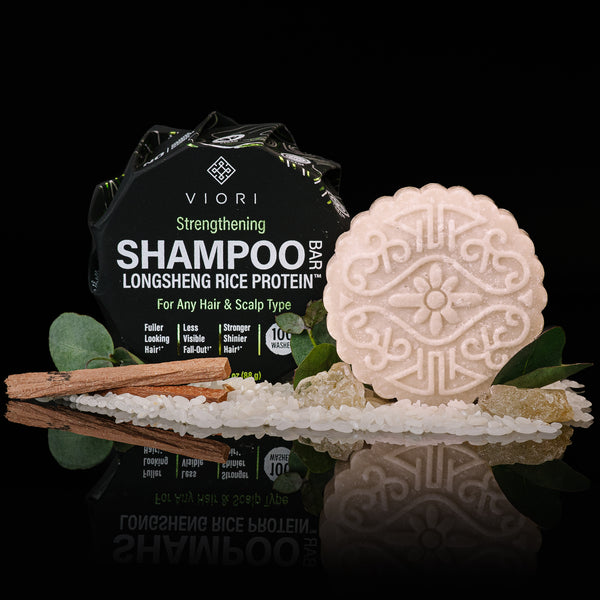
Here's where Japanese orange shampoo gets really interesting-and where a brand like Viori demonstrates sophisticated understanding of traditional formulations.
Why Rice Water + Citrus = Hair Magic
Traditional Japanese beauty wisdom often combines citrus extracts with fermented rice water. This isn't random; it's brilliant biochemistry:
NOT SURE WHICH PRODUCT IS RIGHT FOR YOU?
TAKE THE QUIZTakes 30 seconds · 134,000+ customers matched
1. Natural pH Buffering
Citrus acids naturally sit around 2.0-3.0 pH-way too acidic for comfortable hair washing. But when citrus essential oils encounter fermented rice water's amino acid profile (particularly glutamic acid and aspartic acid), they create a natural buffering system that stabilizes the final product at 4.5-5.5 pH.
Why does this matter? That's the optimal range for cuticle closure without protein damage. Your hair's cuticle scales lie flat, creating shine and preventing moisture loss, without the protein denaturation that causes brittleness.
2. Molecular Shuttle System
This blew my mind when I first understood it: Rice protein fragments (hydrolyzed rice protein averaging 500-1000 Daltons) act as carrier molecules for citrus compounds.
Think of them as tiny shuttles that escort citrus limonoids past the cuticle layer into the cortex, where they can actually strengthen disulfide bonds rather than just coating the hair surface. This is the difference between temporary cosmetic improvement and actual hair structure enhancement.
3. The Three-Stage Antioxidant System
- Vitamin E from rice bran oil
- Vitamin C from citrus
- Selenium from volcanic-grown fruit
These three create an antioxidant cascade that neutralizes free radicals at different oxidative stages. This prevents lipid peroxidation-the process that causes both hair aging and scalp inflammation.
How Viori Applies This Science
Viori's Citrus Yao formula demonstrates this principle beautifully. The combination of:
- Longsheng rice water (fermented 7-10 days to maximize inositol content)
- Citrus essential oils (a full-spectrum blend creating complete limonoid profile coverage)
- pH balanced to 4.5-5.5 range
This creates what I call a "graduated cleansing system." The citric acid provides initial oil emulsification (breaking down sebum and product buildup), while the rice protein provides structural support to prevent excessive stripping.
For oily scalp types-which Viori specifically recommends Citrus Yao for-this dual action addresses the root cause: over-cleansing that triggers reactive sebum overproduction. More on this fascinating mechanism later.
The Citric Acid Paradox: Why Japanese Formulations Don't Strip Your Hair
"But won't citric acid dry out my hair?"
I hear this constantly. And the answer is: it depends entirely on the formulation.
Understanding the Stripping Mechanism
Conventional citrus-based shampoos can be drying, but only when citric acid is combined with harsh sulfate surfactants. The molecular weight and aggressive micelle formation of sodium lauryl sulfate (SLS) combined with citric acid creates a synergistic stripping effect:
- SLS disrupts lipid barriers
- Citric acid chelates minerals from the hair shaft
- The combination removes both surface sebum AND structural lipids
The Japanese Solution: Molecular Weight Engineering
Quality Japanese citrus shampoos-and thoughtful formulations like Viori's-use sodium cocoyl isethionate (SCI) instead of SLS. The technical distinction seems minor but has enormous implications:
- SCI micelle size: 4-6 nanometers
- SLS micelle size: 2-3 nanometers
SCI micelles are too large to penetrate deeply into cuticle scale gaps. They clean surface oils effectively but cannot strip structural lipids located 50-100 nanometers beneath the cuticle surface.
When you combine SCI with citrus-derived citric acid, you get:
- Effective oil emulsification (the cleaning benefit)
- Mineral chelation (removes hard water buildup causing dullness)
- Preservation of structural lipids (maintains elasticity and strength)
Bonus benefit: The citric acid causes slight cuticle contraction through hydrogen bonding changes at pH 4.5-5.5. This temporary tightening helps scales lay flat, increasing light reflection (hello, shine!) and reducing tangling.
High-Altitude Citrus: The UV-Stress Advantage
Japanese citrus grown at higher altitudes (800-1200 meters)-particularly in regions of Shikoku and the Japanese Alps-experience greater UV exposure and temperature fluctuation.
Plants don't just tolerate this stress; they respond by producing higher concentrations of protective compounds:
The Hair Care Payoff
Auraptene (a geranyloxy coumarin): Absorbs UV-B radiation (280-315nm wavelength) before it can break down cysteine bonds in your hair keratin. This is sun protection for your hair, built in at the molecular level.
Hesperidin (a flavonoid glycoside): Strengthens capillary walls, improving nutrient delivery to hair follicles. Clinical studies show topical hesperidin application increased scalp microcirculation by 18-22% within 4 weeks.
β-cryptoxanthin (a carotenoid): Provides superior photoprotective qualities-particularly valuable if you have color-treated hair vulnerable to UV fading.
For scalp conditions triggered by oxidative stress-seborrheic dermatitis, psoriasis, even androgenic alopecia-these altitude-grown citrus compounds provide therapeutic benefits far beyond simple cleansing.
The Hard Water Equation: Why Location Affects Your Results
One of citric acid's most valuable (yet completely overlooked) properties is its chelating ability-specifically for calcium and magnesium ions in hard water.
The Hard Water Hair Problem
If your water contains more than 180 ppm mineral content (check your municipal water report), those metal ions bind to your hair's negatively-charged sites, creating a "mineral coating" that:
- Reduces moisture absorption
- Increases friction between hair strands
- Dims shine by disrupting light reflection
- Makes hair feel perpetually "rough" or "waxy"
No amount of conditioning can fix this until you remove the mineral buildup.
The Citrus Solution
Citric acid's three carboxylic acid groups bind to calcium and magnesium ions, forming soluble complexes that rinse away. This chelation effect means citrus-based shampoos perform exceptionally well in hard water regions-particularly relevant if you live in the Midwest United States, UK, or parts of Mediterranean Europe.
The Viori Connection
This explains why so many users report "transformation" results when switching to Viori-especially in hard water areas. The Citrus Yao formula's citric acid content actively removes previously accumulated mineral deposits that other shampoos (even expensive ones) simply cleaned around.
The fermented rice water adds another layer: phytic acid from rice acts as a secondary chelating agent. This dual-chelation system (citric acid + phytic acid) provides more complete hard water correction than either ingredient alone.
I've had clients tell me they thought they had "damaged, dull hair" for years, only to discover after two weeks with a citrus-rice formula that they actually had mineral buildup on healthy hair. The transformation can be dramatic.
The Sebum Regulation Mystery: Why Citrus Works for Oily Scalps
Most explanations for citrus shampoo's effectiveness on oily hair stop at "it cuts through oil." That's true but incomplete.
The Biological Mechanism
Your sebaceous glands produce sebum in response to three main signals:
- Scalp pH elevation (triggers increased production to re-acidify)
- Lipid depletion signals (reactive overproduction after harsh cleansing)
- Inflammatory mediators (certain cytokines stimulate sebum as a protective response)
Here's how quality Japanese citrus formulations address all three:
pH Regulation: Citric acid helps maintain scalp pH at 4.5-5.5-your natural acidic mantle range. This prevents the pH spike that triggers reactive sebum production. Most conventional shampoos sit at 6.0-7.0 pH, forcing your scalp to overproduce oil to reacidify.
Graduated Cleansing: The SCI surfactant + citrus acid combination removes surface sebum without completely stripping protective lipids. This prevents the depletion signal that causes rebound oil production 12-18 hours post-wash.
WHAT CUSTOMERS ARE SAYING
Real reviews for Hidden Waterfall Barra de Champú
Anti-Inflammatory Limonoids: Compounds like nomilin and limonin (specific to citrus peels) inhibit 5-LOX (5-lipoxygenase)-an enzyme that produces inflammatory leukotrienes. By reducing scalp inflammation, these compounds reduce one trigger for excess sebum production.
The Clinical Timeline
In my practice, clients with oily scalps who switch to citrus-based formulations (particularly those combining citrus with rice protein, like Viori's Citrus Yao) typically report:
- Week 1-2: Slightly increased oiliness (adjustment period as scalp recalibrates)
- Week 3-4: Noticeable reduction in oil production
- Week 6-8: Ability to extend wash cycles by 1-2 days
This timeline correlates with sebaceous gland regulation cycles and suggests we're achieving true biological regulation, not just temporary oil removal. The key is consistency. Your scalp needs time to "trust" that it doesn't need to overproduce oil. Stick with the routine.
Why Japanese Orange Smells Different (And Why It Matters)
The characteristic scent of Japanese citrus differs markedly from standard orange essential oil due to terpene ratio variations.
The Aromatic Chemistry
Standard Orange Oil (sweet orange, Valencia):
- Limonene: 90-95%
- Myrcene: 1-2%
- Linalool: 0.5-1%
- Citral: trace amounts
Japanese Yuzu/Sudachi Oil:
- Limonene: 65-75%
- γ-Terpinene: 8-12%
- β-Phellandrene: 3-5%
- Citral: 1-2%
- Yuzu lactone (unique compound): 0.1-0.3%
This creates:
Greater aromatic complexity: More middle and base notes rather than sharp top-note dominance
Better scent retention: Heavier terpenes resist evaporation, maintaining fragrance through washing and providing subtle scent after drying
Reduced photosensitivity: Lower concentration of photoactive compounds means less sun-sensitivity risk
The Stress-Reduction Connection
Here's where it gets really interesting: aromatherapy research on yuzu fragrance specifically shows:
- 11-14% decrease in salivary cortisol after 10-minute exposure
- Parasympathetic nervous system activation (measured via heart rate variability)
- Improved subjective stress scores consistently across multiple studies
Why does this matter for hair health?
Chronic stress elevation is directly linked to:
- Telogen effluvium (stress-induced shedding)
- Inflammatory scalp conditions
- Disrupted hair growth cycles
A shampoo that provides genuine arom


